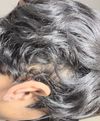
A year-long journey of treating hair loss with finasteride, minoxidil, ketogenic diet, and microneedling, featuring before-and-after progress pictures.
The user started finasteride and derma rolling for hair loss, later switching to wet cupping therapy. They experienced initial shedding but reported thicker, healthier hair over time, using natural hair wash methods like Amla, Reetha, and Shikakai.
Scalp Botox may help hair loss by relaxing muscles and increasing blood flow, potentially benefiting conditions other than androgenetic alopecia. DHT affects hair follicles differently, causing tension and hair loss in some areas but not others.
User tried oral and topical finasteride for hair loss but experienced headaches and concentration issues. They ask for advice on whether to continue or try other treatments like alfatradiol, fluridil, or pyrilutamide.
Using a derma stamp instead of a derma roller for hair growth is more effective and less damaging. The user experienced hair improvement with oral finasteride, topical minoxidil, and a derma stamp.
The user has been using oral Finasteride, Ketoconazole shampoo, and a dermaroller for 3 months, showing progress in hairline improvement. They are considering adding topical Minoxidil after evaluating the results from Finasteride.
The post discusses a user's one-year experience using finasteride 1mg daily for hair loss, including initial irregular use, continued shedding of weak hair, acne in the thinning area treated with fusidic acid, and weekly use of Ketoconazole. A reply suggests adding Minoxidil for potentially full hair recovery.
The user "natiggiz" shared their early progress in filling in bald patches using topical finasteride, minoxidil, RU58841, ketoconazole, and derma stamp. Other users commented on the great results and expressed jealousy.
Mike, 46, is experiencing hair thinning at the temples and frontal hairline. He plans to try microneedling with a pen and topical dutasteride after oral minoxidil and finasteride showed limited effectiveness and oral dutasteride caused side effects.
User decides to accept baldness due to mental health issues with finasteride. Others suggest considering hair systems, topical finasteride, or RU58841 as alternatives.
The conversation discusses using topical Calcipotriol and Valproic Acid for hair loss, focusing on their mechanisms involving the VDR receptor and Wnt/beta-catenin pathway. Specific treatments mentioned are Minoxidil, Finasteride, and RU58841.
User started Finasteride for hair loss and uses Toppik to cover bald spots. They wonder if Toppik's keratin fibers will block follicles and affect hair regrowth.
The user is treating hair loss with dermarolling, a laser helmet, scalp massages, and Nizoral. They stopped using minoxidil and finasteride and are considering pumpkin seed oil and sulforaphane.
PTD-DBM therapy for hair loss is being developed by Dr. Kang-Yell Choi, with human testing planned in South Korea. Some clinics in the U.S. offer PTD-DBM/valproic acid therapy, but it hasn't completed trials yet.
A user had two hair transplant surgeries, using a total of 6850 grafts from the scalp, beard, and chest, costing around $20,000 USD, and is happy with the results, though the crown may not be as dense as the hairline. They experienced no scarring from the donor areas and noted that transplanted beard and chest hair are thicker and curlier.
The conversation discusses using topical dutasteride with a dermapen for hair loss treatment. The user is deciding between liposomal and mesosomal formulations for this purpose.
The conversation humorously discusses using a full head wig for hair, beard, and perfect skin, with mentions of treatments like finasteride, RU58841, and microneedling. It highlights a shift from serious hair loss discussions to satire and memes.
A 36-year-old male had a 3000-graft FUE hair transplant in Turkey, with 2000 grafts to the front and 1000 to the crown. Post-operation, he experienced nausea, dizziness, itching, and pain, but saw hair growth and plans to take pictures once redness subsides.
After suffering from hair loss and trying various treatments like finasteride, minoxidil, RU58841, and scalp micropigmentation without lasting success, the individual found freedom and a renewed sense of self by shaving their head and accepting their baldness. They encourage others struggling with hair loss to not waste years searching for a cure and to consider embracing a shaved head as a positive solution.
The user experienced significant regrowth in the crown and hairline using 1.25mg finasteride daily for 13 months but noticed thinner scalp density. Suggestions included adding topical minoxidil or 0.5mg dutasteride, as scalp regrowth may lag behind other areas.
The conversation is about a hair loss product that claims to use stem cells and ingredients like Capixyl, Redensyl, and Baicapil, with the user asking if anyone has looked into it. No specific treatments were discussed.
The user received 1600 hair grafts but is dissatisfied and plans a second transplant for better coverage. They use minoxidil and finasteride and are considering adding dutasteride.
The conversation is about the effectiveness of Fluridil (Eucapil) for hair loss compared to RU58841, with the original poster considering Fluridil a safer and potentially more effective alternative.
The conversation discusses hair loss treatments, specifically the use of dutasteride, finasteride, and other methods like PRP, laser, and mesotherapy. Despite these treatments, the user is experiencing hair loss, and others suggest consulting a dermatologist, considering alternative treatments, and addressing potential scalp inflammation.
The user experienced facial puffiness after switching from finasteride to dutasteride, which they believe is due to dutasteride. They are seeking advice on reversing this effect, considering factors like diet, exercise, and potential hormonal changes.