Search
for
Sort by
Community Join
630-660 / 1000+ resultscommunity M21. Fin/Dut/Minox hair loss jorney
community Follicum releases some data from previous phase 2a trial
Follicum discovered that their drug FOL-005 increased hair count by 12 hairs per cm2 in patients with less than 255 hairs per cm2 and is planning a phase 2b trial. They are currently fundraising for the trial, and the drug may also be effective for women.
community Temple recession continues, 19 MtF, Monotherapy w/ confirmed low T, also taking 1.25mg Finasteride,
A 19-year-old transgender individual is experiencing worsening temple recession despite taking female hormones and 1.25mg finasteride. They are seeking advice on additional treatments to address hair loss.
community Ordered copper peptides - how to apply?
Gizzela is unsure about the dosage and frequency of copper peptides and asks if they can be used with Stemoxydine. They seek advice on applying these treatments together.
community C60 + microneedling – on off days from Pyrilutimide
User discusses using C60 serum with microneedling at 1.75mm and asks if it's safe. Current routine includes daily Pyril on temples, weekly microneedling, and C60 serum on non-Pyril days.
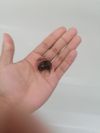
community Guys I need advice more hairs in the drain
The user is experiencing significant hair shedding after starting dutasteride, which is considered a normal part of the treatment process. Despite the shedding, the user notes some improvement in hairline appearance and is seeking advice and reassurance.
community 22M High Estrogen after blood test
A 22-year-old male with high estrogen levels is considering finasteride for hair loss but is concerned about potential side effects due to his hormone levels and family history of diabetes. Users suggest consulting a doctor, possibly an endocrinologist, and considering lifestyle changes like diet and exercise to address visceral fat and insulin resistance before starting treatment.
community Is this regrowth/new growth? 2 months min, 1 month fin
The user has been using Minoxidil for 2 months and Finasteride for 1 month to address hair loss, particularly at the temples. They are questioning whether the new small hairs are facial hairs or new scalp hair.
community Beard growth whilst on Dutastride
Dutasteride may inhibit new beard growth, but minoxidil can still promote beard growth, albeit slowly. Some users report thicker beards with oral minoxidil despite using dutasteride.
community Is that right, rectal injection of Finasteride offer better results than oral pills ?
community Fluridil/Eucapil UAE customs regulation
A user in the UAE is facing customs issues with ordering Fluridil (Eucapil) and is considering ordering smaller quantities or switching to Pyrilutamide. They are also using finasteride daily to maintain hair and are unsure of Fluridil's effectiveness.
community Finasteride only results for diffuse thinners without receding hairline
A user is discussing their experience with finasteride for diffuse thinning without a receding hairline, noting a massive shedding phase in the fourth month that is now slowing down. Other replies are off-topic and not relevant to the treatment discussion.
community How analogous are pumpkin seeds to fin/dut?
Eating pumpkin seeds is unlikely to cause significant hormonal changes or side effects like decreased libido or erectile dysfunction. Pumpkin seeds are not an effective substitute for finasteride or dutasteride in treating hair loss.
community New topical Dutasteride from Moogene will have 20 times better scalp absorption than oral Dutasteride. And much lower system absorption.
A new topical Dutasteride with 20 times better scalp absorption being developed and tested for release in 2023; use of existing drugs, such as Minoxidil and finasteride; and mesotherapy as an alternative hair loss treatment.
community My Experience and a Discourse on "DUPA"
The user discusses their hair loss experience, exploring various hypotheses including thyroid levels, vitamin D, DHEA, nutritional deficiency, diabetes, seborrheic dermatitis, lack of nutrition to hair follicles, chronic inflammation, female pattern hair loss causes, cortisol, and prolactin levels. They are currently using finasteride, beta-sitosterol, and have tried topical dutasteride and microneedling therapy.
community Hmi-115 hair loss cure, how does it work? Is there a relationship between prolactin and DHT?
Hair loss linked to DHT and prolactin levels. Hmi-115 cure discussed, along with Minoxidil, Finasteride, and RU58841 treatments.
community Switching from Dutasteride to Finasteride After 3-Month Shed: Regrowth Chances?
The user switched from Finasteride to Dutasteride due to hair shedding but experienced potential side effects like puffy nipples. They are considering switching back to Finasteride and are concerned about regaining lost hair.
community My DUT Experience (1 Year Experience)
A user shared their experience using Dutasteride for hair loss, alongside a regimen of Minoxidil, Finasteride, and RU58841. They reported no major shedding or sexual side effects, but experienced mild acne when increasing the Dutasteride dose, and noted their hair condition remained stable.
community Seems I have acquired progressive kinking of the hair, potentially brought on by minox.
User experienced hair kinking after starting minoxidil, despite being on finasteride for two years. Another user confirmed similar issues and suggested switching brands due to propylene glycol in minoxidil.
community Minoxidil Max Ru58841 with PG absorption time
community DHT Isn't (Directly) Important
Finasteride's potential side effects, especially sexual dysfunction, are discussed, with emphasis on hormonal balance between testosterone and estradiol. Users share experiences with finasteride, minoxidil, and dutasteride, highlighting the variability in side effects and the influence of mindset and lifestyle.
community Can someone from the group buy give an update on Pyrilutamide
Pyrilutamide, a potential hair loss treatment that has been tested in Phase 2 trials and may be available for purchase through a group buy in June. It is purported to have similar effects on hair growth as Dutasteride.
community High Estrogen causing hair loss?
A 24-year-old male using topical finasteride for hair loss is experiencing thinning despite treatment and has high estrogen levels. He is seeking advice on whether high estrogen could be causing hair loss and how others with high estrogen levels have addressed it.
community My current regimen for MPB
The user is treating hair loss with dermarolling, a laser helmet, scalp massages, and Nizoral. They stopped using minoxidil and finasteride and are considering pumpkin seed oil and sulforaphane.
community What happens to the excess testosterone after using dut?
Using dutasteride or finasteride can increase free testosterone, which may convert to estradiol, potentially causing side effects like increased estrogen levels. Individual responses vary, and some users report changes in cholesterol, hair texture, and side effects like gyno or increased sex drive.
community About microneedling for hair.For AGA,Is dermastamp better?
A 22-year-old female with AGA due to PCOS is using 5% minoxidil foam and 2mg finasteride daily, and is seeking advice on microneedling frequency and safety. Concerns about finasteride dosage and its effects on PCOS were discussed, with emphasis on trusting the prescribed treatment plan.
community so what do you guys think of Cosmerna + Ru or pyri ?
Hair loss treatments Cosmerna, RU, and Pyri discussed. Cosmerna inhibits androgen receptors, but not 100%, so RU/Pyri can be used synergistically.
community Topical dutasteride significantly outperforms oral finasteride
Topical dutasteride 0.05% is reported to outperform oral finasteride with minimal side effects, but concerns about study bias exist due to company funding. Some users report mixed results with topical dutasteride, noting issues with skin penetration and systemic absorption.
community 4 month update Fin/Min/Dermatamp
The user reported gradual hair regrowth after 4 months using oral finasteride, topical minoxidil, dermastamping, and vitamins C and D3. They noted the use of a 1.25mm dermastamp and discussed sourcing finasteride in Canada.