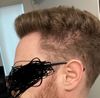
The user is experiencing irritation from using PG with RU58841 and is seeking alternative solutions like K&B in the UK. They report redness, itchiness, and flaky skin from the current treatment.
The conversation is about a user's progress in treating diffuse hair thinning using a topical regimen including finasteride, minoxidil, ketoconazole, microneedling, saw palmetto, collagen, and vitamins, along with lifestyle changes. The user plans to switch from topical to oral finasteride for potentially better results.
The conversation discusses the potential role of prolactin in hair loss and mentions treatments like HMI115, mucuna pruriens, Zinc, and B6 P5P for lowering prolactin levels. It also touches on the use of natural compounds and the lack of studies due to funding issues.
Users discussed hair loss treatments, specifically 0.1% latanoprost with melatonin, caffeine, and biotin. Other treatments mentioned include minoxidil, finasteride, RU58841, and microneedling.
The user has been using oral finasteride for 15 months and oral minoxidil for 6 months, and developed alopecia areata, for which a dermatologist prescribed calcipotriol/betamethasone. The treatment is helping, but the user is experiencing another shedding phase and is concerned about the effects of the steroid cream and the cause of hair loss.
A user experienced severe scalp itching with MPB and found Nizoral ineffective. A doctor diagnosed seborrheic eczema and prescribed Betacap, which relieved the itching.
27-year-old female experiences aggressive hair thinning and hirsutism despite normal testosterone levels. Spironolactone and 2% minoxidil were ineffective; high DHEA sulfate levels may be the cause.
The user "cooler1082" shared their progress pictures for hair loss after using topical finasteride, minoxidil, latanoprost, and biotin. Other users commented on the positive results and asked about the specific dosages used. One user mentioned that latanoprost is an eye medication that has shown some potential for treating hair loss.
A user is starting a topical finasteride treatment for diffuse patterned alopecia, having previously used minoxidil without success. They are cautious about side effects and have chosen topical over oral finasteride, while also using Nizoral and biotin in their routine.
Aloe vera gel can help reduce scalp inflammation and "DHT itch" associated with hair loss, particularly in those with androgenic alopecia and seborrheic dermatitis. It's suggested to use aloe vera alongside treatments like finasteride and ketoconazole shampoo to manage symptoms and promote scalp health.
Minoxidil can cause itching, pimples, and shedding, and starting spironolactone or finasteride may also lead to shedding. Topical CBD oil with MCT is suggested to reduce inflammation, and overlapping shedding might occur but doesn't necessarily increase each other's effects.
A user, 35M, has been using oral finasteride for 5 years and 5% minoxidil for 3 years, which stopped hair loss but didn't promote regrowth. After starting RU58841 5 months ago, they noticed long, translucent hairs and are asking if these hairs will darken and how to encourage this.
A user's regimen to help with their diffuse thinning, which includes taking Pyrilutamide BID, 1mg finasteride daily, 2.5mg oral minoxidil daily, topical minoxidil since August 2021, LLLT every two days, topical fin, progesterone, melatonin, minoxidil (started one week ago), pumpkin seed oil and not dermarolling; other commenters suggested Nizoral for dandruff control and caution when using pre-mixed products with Pyrilutamide.
DHT Itch and its link to balding, with various treatments such as finasteride being discussed. Members shared their experiences of scalp itch before and after taking 5AR inhibitors, and potential underlying causes such as seborrheic dermatitis were discussed.
A user started taking finasteride 1mg/day for hair loss but hasn't seen results yet. They also take vitamins and asked about adding minoxidil and the effectiveness of LLLT.
A user applied the 8T3 product for hair loss, targeting LPP and AGA, and plans to update on its effectiveness. The product uses a saline buffered phosphate vehicle, suitable for those intolerant to ethanolic vehicles.
A user with alopecia totalis, borderline universalis, seeks advice on getting into a Xeljanz trial or appealing insurance for coverage. They experienced significant hair regrowth but are now seeing hair loss again and want to try Xeljanz.
A user found that scalp itch might be linked to inflammation rather than DHT alone and noticed hair improvement with certain cancer drugs. They also discovered that black seed oil relieved their scalp itch and are experimenting with a mix of essential oils for dry scalp, questioning if oils affect minoxidil absorption.
The user is using a mix of supplements, including Minoxidil, to address androgenetic alopecia and is concerned about zinc dosage potentially causing issues. They plan to discuss their treatment and supplement regimen with a dermatologist.
Neofollics lotion is discussed as a hair loss treatment, but users report it is ineffective and not supported by strong evidence. Users suggest sticking to FDA-approved treatments like Minoxidil and Finasteride.
PP405 shows promise in regenerating hair by activating dormant follicles. Other treatments like VDPHL01 and Breezula are also advancing, providing new hope for hair loss solutions.
A 34-year-old male is experiencing hair loss on the sides of his head, with inflammation and itchiness, while the top remains thick. He is using topical dutasteride and keto shampoo to address the issue.
The user experienced significant hair loss on the scalp, eyebrows, eyelashes, and pubic area, along with itchy, flaky skin and red patches. They have a history of eczema and dermatitis and suspect that stopping shampoo use and taking Ritalin may have contributed to the issue.
A 19-year-old male experienced significant hair loss, initially thought to be male pattern baldness (MPB), and used minoxidil and briefly finasteride. After realizing the issue was telogen effluvium (TE), he improved his diet and supplemented with vitamins, which led to substantial hair regrowth.
Follicium XR™ is a topical treatment for hair loss containing RU58841, AHK-Cu, GHK-Cu Peptide, caffeine, D-Biotin, methylene blue, keratin, and spermidine. RU58841 is considered the most effective ingredient, but concerns exist about its stability in water.
The user experienced hair shedding after increasing minoxidil from 5% to 7% with latanoprost, possibly causing telogen effluvium. They are on HRT with Lupron, Estradiol, and Raloxifene, and are concerned about the shedding's duration.
A user with seborrheic dermatitis is experiencing bald spots and hair thinning despite changing their diet and taking oral minoxidil. Another user suggests using ketoconazole shampoo properly, using a scalp massager, applying rosemary/peppermint oil, keeping hair short, and taking fish oil to improve scalp health.
The user is experiencing white flakes and a greasy look from using a topical solution containing 0.025% finasteride, 8% minoxidil, 0.01% retinoic acid, and 1% hydrocortisone. Suggestions include reducing application frequency, using a brush to clean the scalp, and considering alcohol-free alternatives.
Hair loss and potential treatments, primarily focusing on Finasteride and Minoxidil. Other solutions discussed include PRP, dermarolling, LLP, and scalp tension relief.
PP405, a topical treatment, shows promise for hair growth by activating inactive follicles, with 66% of participants experiencing positive results. The treatment is well-tolerated and may proceed directly to Phase 3 trials, offering a potential alternative to minoxidil and finasteride.