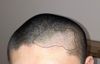
The conversation is about a female experiencing hair loss and seeking advice on why it's difficult to regrow hair. Specific treatments like Minoxidil, finasteride, or RU58841 are not mentioned.
Eli Lilly's drug baricitinib showed effectiveness in treating alopecia areata, with higher doses resulting in significant hair regrowth compared to placebo. The treatment is not for male pattern baldness.
Hair loss discussion includes LLLT treatments and a satirical condition called PLLLTS, causing patients to resemble lighthouses and attract moths. Some users express concern about others taking the satire seriously.
Hair loss discussion includes treatments Minoxidil, Finasteride, and RU58841. Prolactin's role in immune system's antitumor activity raises safety concerns for HMI-115.
Creating a liposomal gel with Pyrilutamide for hair loss to reduce systemic effects, similar to Xyon's gel. The discussion includes concerns about ingredient sourcing and the benefits of targeted topical treatments.
The user experienced hair thinning from chromium and alpha lipoic acid supplements, which stopped after discontinuing them. Someone mentioned this could be telogen effluvium, a temporary condition.
A user has been experiencing hair loss for 4 years, with treatments like minoxidil, finasteride, and various supplements proving ineffective. They were diagnosed with fibrosing alopecia in a pattern distribution, a condition that may require a combination of anti-inflammatory and hair growth treatments.
The user is considering using dutasteride or finasteride for hair loss and has recurrent folliculitis. Another user suggests treating the folliculitis and notes diffuse thinning.
Using a combination of low-dose topical finasteride (0.025%) and 0.5% pyrilutamide for hair loss, with a focus on minimizing side effects. The user seeks experiences and results from others who have tried this combination.
Folliculitis may be linked to hair loss, with treatments including antibiotics, minoxidil, finasteride, and dietary changes. Users suggest seeing a dermatologist for proper diagnosis and treatment.
Follicusan DP is discussed as a potential alternative to Minoxidil without side effects, but information is scarce. It is noted to be of German origin and details on its mechanism are limited.
A 36-year-old has been using oral finasteride (1 mg daily) and topical minoxidil twice a day since September 2023, and added LLLT (helmet) to their routine 2 months ago, seeing positive changes. They also use Ketoconazole shampoo, rotate other medical shampoos, train regularly, eat clean, and manage stress.
PP405, a topical LDH inhibitor, has shown to stimulate hair follicle stem cell proliferation in humans with moderate hair loss. They are advancing to more detailed trials this year.
IGFBP‐rP1 shows potential for treating androgenic alopecia by influencing hair cycle transitions. Increasing IGF-1 levels may have similar effects to Minoxidil and 5-AR inhibitors in reducing hair loss.
The user visited a trichologist due to ineffective topical finasteride treatment for hair loss. The trichologist recommended a new regimen including a two-month course of locoidon (cortisone 0.1%), followed by a solution containing minoxidil, hydrocortisone butirrate, estrone, progesterone, tocopherol acetate, trichosol, and transcutol.
The user has been experiencing diffuse hair thinning despite using finasteride, minoxidil, dermarolling, clobetasol cream, and PRP sessions. They seek advice on additional treatments and are advised to check vitamin D, iron, and thyroid levels.
A 23-year-old experiencing severe diffuse thinning after scalp inflammation is considering finasteride as a last resort after stopping minoxidil and using anti-inflammatory medication. Users suggest that inflammation causes temporary shedding and recommend consulting a dermatologist, with some advocating for finasteride as a reliable treatment option.
The conversation is about the effectiveness and trustworthiness of Pyrilutamide hair loss treatment sold by Hairlisciously, with concerns about product purity and a request for alternative suppliers. No specific treatments were confirmed to be used by participants.
Low Dose Naltrexone (LDN) may reduce inflammation in alopecia conditions. It is discussed as a potential adjunct treatment with finasteride or dutasteride for androgenic alopecia.
The conversation discusses concerns about Dr. Rassman's topical Finasteride, specifically whether it is liposomal or glycol-based. Dr. Rassman insists on providing the correct liposomal formulation and urges patients to contact him if they receive the wrong product.
PP405, a topical treatment, shows promise for hair growth by activating inactive follicles, with 66% of participants experiencing positive results. The treatment is well-tolerated and may proceed directly to Phase 3 trials, offering a potential alternative to minoxidil and finasteride.
A user's regimen to help with their diffuse thinning, which includes taking Pyrilutamide BID, 1mg finasteride daily, 2.5mg oral minoxidil daily, topical minoxidil since August 2021, LLLT every two days, topical fin, progesterone, melatonin, minoxidil (started one week ago), pumpkin seed oil and not dermarolling; other commenters suggested Nizoral for dandruff control and caution when using pre-mixed products with Pyrilutamide.
The user is experiencing one-sided diffuse thinning and has been using finasteride and liquid minoxidil for 4-5 years with minimal results. They are considering whether to save for a hair transplant or address scalp sensitivity and irritation first.
Treatments for hair loss, specifically discussing the use of RU58841 and Pyrilutamide from Actifolic. The poster is inquiring about experiences with these products and results.
The user has been using topical minoxidil, finasteride, microneedling, and laser light therapy for 11 weeks to address hair thinning. They report difficulty applying the treatment due to increased hair thickness and are unsure if the results are significant.
Low-Level Laser Therapy (LLLT) is considered expensive and may not provide significant benefits, with some users suggesting alternatives like finasteride, minoxidil, and microneedling. Many users report limited success with LLLT and similar treatments, recommending more proven options instead.