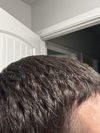
The user is treating hair loss with dermarolling, a laser helmet, scalp massages, and Nizoral. They stopped using minoxidil and finasteride and are considering pumpkin seed oil and sulforaphane.
Finasteride may help stabilize hair loss, but regrowth at the temples is challenging and often requires additional treatments like minoxidil or a hair transplant. Users suggest patience and possibly combining treatments for better results.
The user is experiencing hair improvement in the central and back areas after using finasteride, minoxidil, and a galenic lotion, but the temple area is worsening. They suspect the lotion might be causing the issue and are considering stopping its use.
The user started using finasteride and minoxidil and noticed fine, spikey hairs on their scalp after oiling with coconut and blackseed oil. Responses suggest these fine hairs could indicate hair regrowth, but more time is needed to see results.
A user shared their 3-month hair growth progress using 1mg oral finasteride, 5% topical minoxidil, and microneedling with a 1.5 mm dermaroller twice weekly. The user received positive feedback and expressed a desire for thicker hair in the future.
A user reports significant hair density increase and new growth at the temples after two months of using finasteride, minoxidil, ketoconazole, dermarolling, MK-677, zinc, and vitamin D3, with shedding stopping a week ago. They recently added MK-677 to their regimen.
The user shared progress pictures after 5 weeks of using 5% topical minoxidil, scalp massages, and microneedling for hair loss. They are considering adding finasteride but have decided to wait a few more weeks.
A 19-year-old male shared his 3-month hair regrowth progress using finasteride, minoxidil, and microneedling, with noticeable improvement. He uses 1mg oral finasteride daily, 5% minoxidil foam twice a day after day 80, and microneedles with a 1.5mm derma stamp every 1-2 weeks.
A user shared their 1.5-month progress using a routine of topical finasteride and minoxidil gel, minoxidil foam, microneedling, keto shampoo, and a multivitamin. They reported noticeable hair regrowth for the first time in a decade.
The user has been managing hair loss with microneedling, Nutrafol, topical finasteride/minoxidil foam, LLLT, and Nizoral, and plans to add oral minoxidil. They are seeing improvement and are cautious about using oral finasteride due to past gynecomastia concerns.
HairClone is developing cell replacement treatments to rejuvenate and generate hair follicles, and has launched a crowdfunding campaign. A user expressed skepticism about the need for crowdfunding.
The user experienced initial success with topical finasteride 0.025% and melatonin but noticed rapid hair thinning after three months. They are considering switching to a higher dose of topical finasteride or oral finasteride, as advised by others, while being cautious about potential side effects.
The user has been using finasteride for two years without results and recently started a new routine involving derma stamping, retinol, and minoxidil, which seems to show progress. The user microneedles about half the week and uses L’Oréal night serum for retinol.
Adipose fat cells and stem cells may help treat hair loss by restoring the scalp's thickness. Treatments like NanoFat injections and Botox are discussed for their potential to promote hair growth.
A 30-year-old woman with a history of anemia and low vitamin D experienced hair shedding, which improved after addressing nutrient deficiencies. Despite regrowth of terminal hairs, her dermatologist recommended treatments like minoxidil and spironolactone to prevent future bald spots, but she is cautious due to family history of hormone-related cancers.
Minoxidil is causing hair growth in unexpected areas like the forehead, eyebrows, and body, rather than the scalp. Users discuss the effects of both topical and oral minoxidil, with some also using finasteride and experiencing varied results.
Chronic Telogen Effluvium can be managed by avoiding inflammatory foods, exercising, staying hydrated, and using supplements like krill oil, saw palmetto, or licorice root. Minoxidil is discouraged due to its cost and potential for worsening hair loss, while castor oil is recommended to strengthen hair roots and reduce shedding.
The conversation discusses the potential positive effects of melatonin on hair growth. The original poster plans to try both oral and topical melatonin and is seeking recommendations for a good source.
Finasteride and Dutasteride block DHT, which is needed for vellus hair to become terminal on the beard but not on the scalp. The user considered using DHT cream but learned it's unnecessary for scalp hair.
A user named "Redbone2222" shares their positive experience with a hair transplant procedure of 2500-3000 grafts, along with the use of 1mg finasteride daily and 5% topical minoxidil. They express satisfaction with the results and believe that finasteride has been more effective for them than minoxidil.
A 43-year-old with a history of hair transplants and long-term finasteride use reports seeing hair regrowth after adding oral minoxidil, micro-needling, and resuming topical minoxidil. Users agree that the hair appears thicker and denser.
The user stopped using topical minoxidil and finasteride after 2.5 months and switched to oral finasteride, 1mg daily, and did microneedling 1.5mm seven times. They experienced occasional sleep issues and watery semen as side effects, which stopped after discontinuing the topical treatment.
The user reports significant hair regrowth using a topical solution of 5% minoxidil and 0.1% finasteride twice daily, along with derma rolling twice a week. They have not experienced shedding and are optimistic about continued hair growth.
The user has been using a hair solution with 0.3% finasteride and 5% minoxidil, along with microneedling, but is experiencing more thinning on one side. Suggestions include checking application techniques and ensuring microneedling is not overdone.
Dutasteride mesotherapy in women with metabolic syndrome accelerated hair loss after initial regrowth, while women without metabolic syndrome saw continuous regrowth. The user with mild insulin resistance is hesitant to try topical dutasteride and seeks experiences from others with insulin resistance.
A 27-year-old male is using a minoxidil and finasteride spray for hairline recession and is considering other treatments like oral minoxidil, exosomes, PRP, or a hair transplant. Suggestions include microneedling, possibly with tretinoin, while another user suggests the hairline is fine and mentions body dysmorphia.
A 26-year-old male considering a hair transplant is using topical finasteride and minoxidil, planning to start feminizing hormone replacement therapy (HRT) with estrogen and spironolactone. Many suggest waiting to see the effects of HRT, which may significantly regrow hair, before deciding on a transplant, and recommend adding microneedling and possibly switching to oral treatments for better results.
The conversation is about experimenting with topical exosomes for hair loss treatment, alongside microneedling, Happy Head's gel-like topical, and Ordinary's hair serum. The user also mentions the availability of treatments like latanoprost and Redensyl.
The user experienced significant hair regrowth using finasteride, minoxidil, and a 4,000-graft hair transplant performed by Dr. Nader in Reynosa, Mexico. The results were natural-looking, and the user plans a second transplant for additional density if needed.
With a head full of hair, like a phoenix!
This user has experienced positive results from using topical minoxidil and oral finasteride for 12 months, followed by 5 months of only topical use, as well as microneedling before application for 4 months. They are now considering a hair transplant in order to further enhance their results.