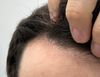
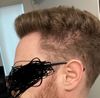
The user is experiencing hair regrowth in small clusters using oral minoxidil, oral finasteride, a red light cap, and Nizoral 2% shampoo. They are hopeful for continued improvement and thicker hair.
The user "dsx460" shared their progress pictures of hair regrowth using a combination of topical finasteride, minoxidil, microneedling, and a keto diet. They are happy with the progress and hope for further improvement.
Microneedling once a week at 1mm caused bumps, possibly scars, in the treated area. The user is considering cleaning the skin before microneedling to prevent this issue.
The user has been experiencing hair loss since having COVID and has low vitamin D levels; they are seeing some improvement in their crown and hairline after starting vitamin D supplements. Commenters suggest the hair loss pattern is consistent with male pattern baldness (MPD) and varies by individual.
The post discusses a user's hair loss treatment routine, which includes daily 1mg finasteride, twice daily topical rogaine, biotin vitamin intake, and a new microneedling regimen of 0.5mm three times a week. The user is turning 24 next month.
The conversation is about using RF microneedling with ExoHealer, along with finasteride and minoxidil, to improve hair thickness and reduce shedding. The user reports noticeable improvements in scalp texture and oiliness, with plans to consider stem cell treatments in the future.
User shared 9-month progress with finasteride and microneedling, and 2-year progress with minoxidil for hair loss. Others asked about microneedling tools, routine, and suggested micro fibers for improvement.
A user shares their 11-week progress using 1mg finasteride, 5% minoxidil twice daily, 0.8mm dermastamping every 10 days, occasional tretinoin, and ketoconazole shampoo for hair regrowth. They plan to continue the treatment for 9 months before considering a hair transplant.
Minoxidil may not be effective due to low sulfotransferase activity, and the user considers adding tretinoin to the regimen. They are unsure about the timing and combination with microneedling.
The user "cooler1082" shared their progress pictures for hair loss after using topical finasteride, minoxidil, latanoprost, and biotin. Other users commented on the positive results and asked about the specific dosages used. One user mentioned that latanoprost is an eye medication that has shown some potential for treating hair loss.
The user has been inconsistently using a 0.1% finasteride and 5% minoxidil topical treatment for hair loss over the past nine months, along with 1% Nizoral once a week. They aim to improve consistency in their treatment this year and report no side effects.
User is happy with 6 months of using finasteride 1mg, minoxidil 5%, and weekly microneedling, with no side effects. The post includes progress pictures.
A 24-year-old shared their 7-month progress using a topical solution of finasteride 0.1%, minoxidil 5%, and hydrocortisone butyrate 0.08%, along with ketoconazole shampoo, to treat hair loss, reporting no side effects and noticeable hair improvement. They also take vitamin D and biotin supplements, use a dermastamp, and manage Hashimoto's without thyroid medication.
The user is experiencing hairline thinning despite using finasteride, minoxidil (solution and foam), dermastamping, and tretinoin. They suspect minoxidil or tretinoin might be causing the issue but are unsure.
The user shared 60-day progress using 5% topical minoxidil, 1mg finasteride, and recently started microneedling with a derma stamp. Users commented on the difficulty of seeing changes due to hair length and even thinning.
A 34-year-old male is experiencing hair loss on the sides of his head, with inflammation and itchiness, while the top remains thick. He is using topical dutasteride and keto shampoo to address the issue.
Microneedling alone is not effective in maintaining minoxidil results for hair growth. Combining microneedling with minoxidil and finasteride may enhance results, but microneedling by itself is not a reliable treatment.
The conversation is about someone using finasteride and minoxidil along with microneedling as a treatment for hair loss, and there's a mention of scalp tattooing as an alternative or additional approach. Some responses mock the approach, while others inquire about the specifics of the treatment and its effectiveness.
The conversation is about hair regrowth using high-dose dutasteride, oral minoxidil, and microneedling. Users discuss seeing tiny hairs and hope they will become terminal, with advice to use derma rolling weekly for better results.
A user shared progress pictures after 11 months on finasteride and minoxidil, with intermittent microneedling. The community responded positively, noting significant hair regrowth and encouraging continued treatment.
A 34-year-old started using a combination of topical finasteride/minoxidil and dermastamping to treat hair loss, noticing some shedding but remains optimistic about hair regrowth. They experienced minimal side effects, with only temporary watery semen.
Trans woman experiencing thinning hair despite low testosterone and finasteride use seeks possible causes and solutions. Current treatments include finasteride, spironolactone, estradiol, vitamins, and microneedling; minoxidil not tried due to concerns about dependence and side effects.
The conversation discusses whether oily scalp and sebum can hinder the absorption of topical hair loss treatments like Minoxidil and Finasteride, even when using tretinoin. The user is skeptical about the effectiveness of these treatments due to their oily scalp condition.
A user shared their progress with hair loss treatment using 0.1% topical finasteride for 5 months and 6% minoxidil for 2 months, reporting reduced hair shedding, less scalp visibility, and healthier hair. They experienced no significant side effects except initial itching and dandruff, and noted an increase in libido.
The user experienced hair regrowth and improved hair density using oral finasteride and topical minoxidil, with microneedling as an additional treatment. They are considering a hair transplant for low-density areas but are uncertain due to existing follicles.
After 8 months of using oral Minoxidil 5mg and Finasteride 1mg, the user still experiences hair loss, particularly miniaturized hairs in the mid-scalp area, along with itching. They are concerned about losing around 40 hairs daily despite treatment.
The user has been using minoxidil, finasteride, and microneedling for two years, resulting in significant hair regrowth and plans for a 4000 graft hair transplant. The treatments have strengthened the donor area, making a hair transplant feasible.
The user has been using Minoxidil for 2 months and Finasteride for 1 month to address hair loss, particularly at the temples. They are questioning whether the new small hairs are facial hairs or new scalp hair.
The user is using 0.5 mg finasteride, 2.5 mg oral minoxidil, topical minoxidil, and 1.5mm microneedling with topical dutasteride for hair loss treatment. They report hair thickening without side effects, except for temporary water retention, and are considering increasing finasteride dosage and microneedling frequency.