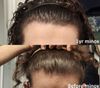
A user shared 3 months of hair loss progress using topical minoxidil 5%, biotin, and increased protein. The user noted steady improvement and the benefit of progress pictures.
A user experienced severe testicular pain after two weeks on oral finasteride. Another user suggested that while rare, this side effect can occur and recommended considering topical finasteride if the pain persists.
The user experienced noticeable hair regrowth after two months using finasteride, topical minoxidil, and a scalp massager. They plan to add microneedling to their regimen to further improve hair condition.
The conversation discusses hair regrowth using finasteride, minoxidil, ketoconazole shampoo (Nizoral), and microneedling as treatments. Users are sharing their experiences and results with these specific hair loss treatments.
A 58-year-old uses finasteride for hair loss and has tried various shampoos, finding Equate T-gel effective for controlling itching. Nizoral was previously effective but no longer works, and DermaKB hasn't been used long enough to assess its effectiveness.
The user documented eight weeks of progress using 5% topical minoxidil, 1 mg oral finasteride, and weekly microneedling. They reported diffuse fill-in and new baby hairs, with plans to taper off topical minoxidil.
A 23-year-old male shared his two-year progress using topical finasteride and minoxidil for hair loss, noting some recent shedding. Users discussed their experiences, side effects, and offered advice, with some suggesting adding microneedling to enhance results.
The user has been applying 2ml of 5% minoxidil and 0.1% topical finasteride daily for hair loss and started derma rolling a week ago. They are considering adding 0.025% topical dutasteride to their routine twice a week and are seeking advice.
The user has been using a topical treatment with 6% minoxidil and 0.3% finasteride for four months, along with dermarolling and a herbal shampoo, and is seeking feedback on progress. They noticed some improvement but are advised that significant changes may take 8-12 months.
The user experienced an elevated heart rate from using topical Minoxidil and discontinued its use. They found that adding a daily protein shake helped with telogen effluvium.
A 21-year-old is concerned about androgenic alopecia and has been using minoxidil for a year, noticing some stabilization in the hairline but fears using it on the whole scalp due to seborrheic dermatitis. Another person suggests considering a psychiatrist for stress management, using Nizoral shampoo, and possibly trying a small dose of finasteride.
User is experiencing severe hair loss despite using finasteride for 15 months, losing 500 hairs a day and 50% density since June. Minoxidil with needling was ineffective, and RU58841 is too expensive and hard to obtain.
A user experienced significant hair shedding and thinning 10 months post-hair transplant despite using minoxidil and topical finasteride. They are considering switching to oral finasteride or dutasteride and are also dealing with scalp conditions like seborrheic dermatitis.
The user is pleased with the hair growth results after using a topical treatment containing Minoxidil, Finasteride, azelaic acid, retinol, and caffeine for two years. The treatment was applied once daily before sleep.
The conversation is about a user sharing their 3-month progress with finasteride, minoxidil, and weekly derma rolling for hair loss. Some suggest buzzing the hair off to better apply treatments and consider a hair transplant in the future.
Tae147 has shared results of using pyrilutamide, a 5% concentration topical solution applied twice daily, in combination with minoxidil, to reduce scalp itchiness and hair shedding. Other users have shared their experiences with the treatment, as well as questions about its availability on the market.
The user has been using oral Minoxidil, Finasteride, and Biotin for hair recovery and is considering adding topical Minoxidil and dermastamping to improve results. It is suggested to use micro-needling once a week with a 24-hour gap before applying topical Minoxidil.
User experienced significant hair improvement after 9 months using topical fin/min spray. Noticed positive changes around 3-month mark and chose topical treatment due to fewer side effects.
A 38-year-old man from Poland, balding for 15 years, shared his hair regrowth progress after 4 months of using finasteride (fin), minoxidil (min), micro-needling, and infrared light treatments. He recently switched from finasteride to dutasteride.
The user experienced significant hair regrowth by returning to a regimen of 1mg oral finasteride daily and daily topical minoxidil after previously reducing their doses. They also emphasize maintaining energy and health through diet, exercise, and supplements.
A user purchased an expensive hair loss treatment called Follicopeptide, which many others in the conversation believe to be a scam, suggesting instead the use of proven treatments like minoxidil and finasteride. Some users report positive effects from Follicopeptide, but skepticism remains high due to lack of transparency about its ingredients and the company's credibility.
The user is experiencing positive hair regrowth results after 3 months using finasteride and minoxidil both orally and topically, along with biotin and ketoconazole. They also use a shampoo containing caffeine and biotin.
User shares 9-month progress using topical Fin/Min formula (10% Min, 0.1% Fin) for hair loss, with significant improvement in crown area. Others discuss experiences, side effects, and application methods for the treatment.
A 40-year-old started using oral finasteride and topical minoxidil for hair loss, seeing improvements after 5 weeks. They plan to try a dermastamp for better results, as they experienced scalp irritation with dermarolling.
The conversation discusses treating male pattern baldness in a transgender woman using cyproterone acetate, finasteride, and biotin. The original poster shared their experience for others who might be in a similar situation.
User plans to switch from oral to .005% topical finasteride, using a solvent from minoxidilmax and later Essengen-F. They will monitor DHT levels and seek advice on solvents and sleep caps.
The conversation discusses managing hair loss and scalp issues, with users sharing experiences using treatments like dutasteride, finasteride, ketoconazole, sulfur soap, and topical anti-androgens. Suggestions include trying sulfur soap, scalp massages, spironolactone, and dietary changes to reduce sebum production and dandruff.
The user "ajsr8" shared their story of hair loss despite being on treatments. They started using finasteride in 2019 and later tried topical minoxidil, but it didn't seem to work. They also experienced side effects from other treatments. They are considering cutting off their hair and stopping the medications if there is no improvement in three months. Other users suggested trying different treatments and getting a blood test to check for underlying conditions.
The user had a hair transplant in 2020 and later learned they needed to continue medication for hair loss. They shared a 5-month timelapse video of their hair regrowth using topical finasteride/minoxidil, microneedling every 3 weeks, and ketoconazole.
Tretinoin can cause non-telogen hair loss in some men by inducing catagen-like changes in hair follicles and through retinoid toxicity, especially when used with minoxidil. Some users report hair loss even when using retinoids on the face, while others experience benefits when combined with treatments like finasteride and minoxidil.