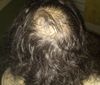
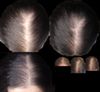
A 2-week journey with Pyri, which is producing positive effects on hair texture and reduced shedding; Minoxidil and derma needling are being used as treatments.
Excess sebum rich in cholesterol and triglycerides can lead to hair loss through inflammation, with treatments like Ciclopirox shampoo, Benzoyl Peroxide shampoo, and Clindamycin gel recommended for managing conditions like seborrheic dermatitis and folliculitis. Pioglitazone is suggested for Lichen Planopilaris, while Omega-3s and reducing processed foods may improve sebum quality, though genetic factors play a significant role.
A user with kidney disease and high blood pressure experienced hair thinning, especially around the vertex. They are currently using finasteride and oral minoxidil but are considering whether to resume blood pressure medication despite managing symptoms with diet and exercise.
The user is using finasteride, minoxidil, ketoconazole, and vitamins/minerals for hair loss, and had a hair transplant with 2300 grafts. They are seeking opinions on future improvement, with one response suggesting a 10-20% improvement in the next 4-6 months.
The user shared progress after 9 months of using finasteride, minoxidil, and dermarolling for hair loss, despite some inconsistency in treatment. They are pleased with the results and plan to stop updating.
Low iron and ferritin levels can contribute to hair shedding, and low ferritin can reduce the effectiveness of finasteride. Supplementing iron and vitamin D can help improve hair growth and overall health.
The conversation is about hair regrowth progress using finasteride and minoxidil. Users suggest continued use and patience for increased density and strength of hair.
A user reports positive results after 6 months using a topical finasteride/minoxidil spray and a hair and nail health vitamin for hair loss. They were initially skeptical but now are satisfied with their hair appearing to age gracefully.
A user shared their 11-month hair regrowth progress using 1mg finasteride daily and topical minoxidil, noting significant improvement despite initial shedding. They advise continuing treatment through sheds and suggest starting finasteride before minoxidil if anxious about hair loss.
The conversation discusses various supplements and vitamins like Vitamin D3, K2, Biotin, Iron, Zinc, and B Vitamins for improving hair health. It also mentions a combination of Tocotrienols, Pycnogenol, Saw Palmetto, Pumpkin Seed Oil, Stinging Nettle, and Myricetin for stabilizing hair, with Saw Palmetto, Pygeum, and Stinging Nettle noted for thickening hair despite side effects.
A user experienced sleep paralysis after starting finasteride and is seeking others' experiences. Another user suggests finasteride might affect neurosteroids, potentially altering sleep patterns.
The user has seen improvement in their hair loss after 6.5 months on finasteride, 8 months on Minoxidil and RU58841, and using Nizoral twice a week. Commenters suggest adding microneedling to the treatment regimen for potentially better results.
The user started oral finasteride to improve hair regrowth, especially in the crown area, after only seeing some maintenance and regrowth with a regimen of micro-needling, topical Dutasteride, and Rogaine. They were initially concerned about side effects but decided to proceed after research and consultations.
A 28-year-old user shared their positive experience with hair loss treatment using 1mg oral finasteride daily, topical minoxidil nightly, and weekly dermapen sessions. They reported increased confidence despite minor side effects like dandruff and gray hair.
The user has been microneedling at 0.25mm once a week for 4 weeks and noticed further hairline recession. They are concerned about the impact of vitamin deficiencies, like biotin, on hair growth.
A 20-year-old has been using finasteride and minoxidil for 4.5 months, noticing reduced hair shedding and seeking advice on potential for increased hair density and hairline regrowth. They also use a dermaroller weekly but inconsistently.
The conversation is about whether doctors are offering hair transplants using verteporfin. Dr. Bargouthi in Jordan and Dr. Bloxham in New York are currently conducting trials on it.
A 26-year-old experiencing crown hair loss after years of neglect due to mental health issues is advised to improve diet, wash hair regularly, and consider using Minoxidil and Finasteride for regrowth.
High prolactin levels may contribute to hair loss, and some users suggest supplements like mucuna pruriens, vitamin B6, vitamin E, L-Tyrosine, L-Theanine, DIM, and Zinc to lower prolactin. Lifestyle changes to increase dopamine, such as reducing screen time and stress, are also recommended.
A 22-year-old male has been using finasteride 1mg daily for 10 months and washing his hair with Nizoral shampoo weekly to manage seborrheic dermatitis. Users responded positively, noting visible hair regrowth.
PP405 is a promising hair loss treatment that may outperform minoxidil and finasteride by reviving dormant follicles and promoting significant regrowth. Results from ongoing trials are awaited, with a potential market release between 2028-2030.
PP405 is a new hair loss treatment advancing quickly in trials, generating excitement and skepticism about its effectiveness and marketing claims. Some see it as a potential alternative to minoxidil and finasteride, but concerns about long-term effects and the need for DHT blockers persist.
The user has been using topical finasteride and minoxidil for two years with decent regrowth and recently added microneedling to their routine. They are questioning if the small hairs observed are new regrowth from microneedling or just vellus or miniaturized hairs.
The conversation discusses hair loss treatments, specifically the use of finasteride and minoxidil in a topical compound, along with microneedling. Users share progress and experiences, noting significant hair growth and improvements over time.
The post discusses the user's successful hair regrowth after 15 months of using finasteride and ketoconazole. The user is considering starting oral minoxidil, but others suggest sticking with the current treatment or trying topical minoxidil instead.
A 29-year-old reports positive hair recovery after 7 months using liposomal topical finasteride and minoxidil, low-level light therapy, and vitamins, following a 3600 graft DHI procedure. They experienced no side effects from the topical treatment, unlike with oral finasteride.
A user shared their 4-month hair regrowth progress using oral finasteride and topical minoxidil, reporting no side effects and positive feedback on their appearance. The post sparked debate, with many users doubting the authenticity of the photos, while others congratulated the user on their impressive results.
A 25-year-old male with seborrheic dermatitis and hair thinning seeks advice on the severity of his condition and treatment options. Oral finasteride and oral minoxidil are recommended as the most effective long-term treatments.
The user started using finasteride and minoxidil in October 2025 and noticed hair growth and thickening after three months, despite initial concerns about side effects. They are hopeful for continued progress and grateful for the support from the forum community.
User shares progress after 4 months of using finasteride and dermarolling, with occasional use of coconut and rosemary oil. They aim to stop hair loss and hope for increased top density.