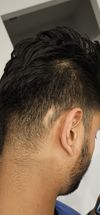
A user shared their 2-month progress on hair regrowth using oral minoxidil, oral finasteride, and topical minoxidil with pyrilutamide. They reported seeing tiny hairs growing and no side effects from finasteride so far.
The user reports thicker and fuller hair after using finasteride, topical minoxidil, RU58841, and dermarolling for two years. Consistent lighting is noted as important for progress pictures.
The conversation discusses hair regrowth treatments, including stem cell exosomes, PRP, and PP405. Users question the effectiveness of the treatments and mention finasteride and minoxidil.
The conversation discusses using RU58841, topical finasteride/minoxidil, MK677, and microneedling as treatments for hair loss. MK677 is mentioned as a growth hormone that improves hair health and recovery from microneedling.
The user has been using finasteride and minoxidil for 13 months, initially topical and then oral, with mixed results and some side effects like lower libido. They are considering whether to continue with oral treatment or switch back to topical, as opinions vary on which method shows better progress.
The user is seeking alternatives to Minoxidil due to heart issues and is considering microneedling with topical melatonin, copper peptides, resveratrol+fisetin, or stemoxydine, which reportedly have minimal side effects. They are asking for information on the effectiveness of these treatments.
The user is experiencing significant hair regrowth with 5 mg oral minoxidil and 1 mg finasteride but also side effects like eye puffiness and hypertrichosis. They are considering reducing the minoxidil dose to 2.5 mg to lessen side effects and are curious about caffeine serums for eye puffiness.
Hair transplant recipients are concerned about whether dormant follicles are permanently damaged by incisions, but some believe undamaged follicles could still regrow if a treatment like PP405 is effective. Opinions vary on the impact of transplants on original follicles, with some suggesting treatments like finasteride can help regrow hair.
A 28-year-old is experiencing early signs of balding and is using a routine that includes oral minoxidil, topical dutasteride, microneedling, and ketoconazole shampoo. They are seeking advice on the effectiveness of oral minoxidil with microneedling and the reliability of their product sources.
A user shared progress pictures showing hairline improvement after 2 years of using topical Minoxidil, 1mg oral Finasteride, and sporadic microneedling. Another user praised the progress and shared mutual encouragement.
Some individuals do not respond to oral minoxidil for hair loss, despite it generally working by improving blood flow to hair follicles. Factors like metabolism, drug interactions, and individual variations in the drug's activation may influence its effectiveness.
User asks about using eucapil/fluridil with Minoxidil and how to space out application to avoid ineffectiveness. Also inquires about microneedling timing.
A 31-year-old has been on finasteride for 8 years and is experiencing less dense hair and itchiness, and is considering adding minoxidil or RU58841 to their regimen. They are also inquiring about the benefits of oral versus topical finasteride.
A 39-year-old male has been using oral finasteride for 2 months and topical minoxidil 5% for 5 months, along with dermastamping and keto shampoo weekly, to address hair loss. He feels his hair is thicker overall but is concerned about a persistent bald spot.
A user's experience with microneedling monotherapy and potential treatments such as finasteride, minoxidil, Stemoxydine, rosemary oil, peppermint oil, and RU58841 for reversing hair loss.
The user shared their experience with oral minoxidil for hair loss, noting initial shedding but some improvement in hair thickness and coloration. They also use dutasteride, RU58841, topical minoxidil, a laser hat, dermapen, Nizoral, caffeine shampoo, castor oil, vitamins, and MSM tablets.
Tazarotene may be more effective than tretinoin when combined with topical minoxidil for hair loss due to its selective binding to RAR-beta and gamma, though it can cause irritation. Tazarotene's potency can lead to indirect inflammatory reactions despite potentially causing less irritation than tretinoin.
The conversation discusses a 5-month hair loss treatment regimen including finasteride, minoxidil, RU58841, dermapen (1.7mm), and ketoconazole shampoo, with noticeable hair regrowth. One user notes the hair appears thicker, while another mentions RU58841 is not doctor-recommended.
The conversation discusses using tretinoin for hair loss and whether applying SPF on the scalp is necessary if hair covers the treated areas. The user is considering this treatment despite having no completely bald patches.
The conversation is about using a topical hair loss treatment from eSurgery containing finasteride, minoxidil, and tretinoin. The user is seeking recommendations and experiences with this specific product.
Using RU58841 and topical minoxidil together is fine and does not cancel out the benefits of each. Applying both treatments consecutively is acceptable.
A 21-year-old has been using a 0.5 mm dermaroller weekly with 5% Minoxidil for five months and Finasteride for three months to address hair loss. The conversation includes questions about the frequency of dermarolling.
A user shared their 115-day progress in treating hair loss using 5% Minoxidil, topical Finasteride, biotin, microneedling, and collagen peptides. They reported visible improvement and no side effects from topical Finasteride, unlike the oral form.
Tretinoin boosts the absorption of topical minoxidil but does not affect oral minoxidil. Tretinoin is beneficial for skincare but does not enhance hair growth when used as a face cream.
The user shared their positive 5-month results using finasteride, minoxidil, derma rolling, and supplements like biotin, zinc, iron, and vitamin C. They provided before and after photos and mentioned applying minoxidil even when derma rolling.
Oral minoxidil and vitamins reduced shedding for one user. Others distrust dermatologists and prefer personal research on treatments like finasteride and microneedling.
The user experienced significant hair improvement after switching from topical to oral treatments, using finasteride, minoxidil, and biotin. They reported no major side effects, except for slightly thicker hair on their hands.
A user shared six months of progress using topical Minoxidil and 1mg oral Finasteride for hair loss. The user defended the authenticity of their photos, attributing skin color changes to seasonal differences and wearing caps.