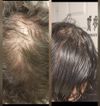
Dr. Bloxham's 9-month update on FUT scar revision with Verteporfin shows promising results. Excitement is high for FUE, which appears highly effective based on Dr. Barghouthi's findings.
Hopeful treatments for hair loss, including Verteporfin, Androgen Receptor Degradation, and SCUBE3. These treatments offer potential solutions to slow or stop the effects of androgens on the scalp.
The conversation is about sourcing and using topical melatonin for retrograde alopecia. Users discuss purchasing options and potential benefits for hair growth.
Oral minoxidil may cause temporary facial puffiness, leading to a perception of accelerated aging, but it doesn't cause actual aging. Concerns about hair loss and treatments like minoxidil and finasteride are discussed, with suggestions to use tretinoin and sunscreen to mitigate potential side effects.
The user noticed hair thinning since age 15, initially attributed to a Vitamin D deficiency. They are currently using Rogaine and considering Propecia but are hesitant about a scalp biopsy; they seek financially practical treatments for male-pattern baldness.
The conversation discusses sourcing pure latanoprost from the gray market for research and making a homemade solution. Concerns about potential dangers and experiences with this method are raised.
Men with early male pattern baldness (MPB) may have hormonal abnormalities similar to those in women with PCOS. Specific treatments mentioned include Minoxidil, Finasteride, and RU58841.
Adding melatonin to topical hair loss treatments like Minoxidil can promote thicker hair growth, with the only side effect potentially being improved sleep. Melatonin is affordable and easy to mix into solutions.
A young female diagnosed with Lichen planopilaris (LPP) experienced years of misdiagnosis and ineffective treatments, including a hair transplant and other procedures. She is considering litigation due to the misdiagnosis and has learned that LPP is chronic, hair loss can be stopped with ongoing medication, but lost hair cannot regrow.
OP experienced significant hair shedding after 8 months of using topical minoxidil and plans to start finasteride. They are concerned about hair loss and have scheduled a dermatologist appointment.
The conversation discusses concerns about oral minoxidil potentially aging the face by affecting collagen, questioning its systemic effects. The user has successfully used topical minoxidil for years and is hesitant to switch to oral minoxidil.
The user is experimenting with topical melatonin for hair loss by dissolving melatonin tablets in a solution, but is having trouble with dissolution and is curious about others' methods of application and any effects on energy levels. They mention considering mixing with minoxidil but have not done so, and suggest that melatonin is best used at night.
The conversation discusses using topical melatonin for diffuse thinning and mentions treatments like Minoxidil, finasteride, and RU58841. The user is seeking advice on whether melatonin could help with their condition.
A user shared progress pictures after 7 months of 5% topical Minoxidil and 3 months of 1000mg daily Pumpkin Seed oil. Replies suggest adding finasteride for better results.
The conversation is about using micro needling and PTD-DBM for hair loss treatment. The user applies PTD-DBM drops on weekdays and performs micro needling weekly.
Excess sebum rich in cholesterol and triglycerides can lead to hair loss through inflammation, with treatments like Ciclopirox shampoo, Benzoyl Peroxide shampoo, and Clindamycin gel recommended for managing conditions like seborrheic dermatitis and folliculitis. Pioglitazone is suggested for Lichen Planopilaris, while Omega-3s and reducing processed foods may improve sebum quality, though genetic factors play a significant role.
The conversation is about finding the optimal concentration of topical melatonin for hair loss treatment. The user is considering making their own solution and is unsure whether a higher concentration is more effective for deactivating prolactin receptors.
A user shared progress pictures showing hairline improvement after 2 years of using topical Minoxidil, 1mg oral Finasteride, and sporadic microneedling. Another user praised the progress and shared mutual encouragement.
The user is seeking advice on treating male pattern baldness (MPB) while dealing with seborrheic dermatitis, specifically asking about the use of finasteride (Fin) and minoxidil (Min). They are concerned about side effects and are looking for recommendations to improve overall hair thickness, especially on the crown.
The user is experiencing new hair growth after using oral dutasteride, topical minoxidil, and microneedling, but is concerned about black dots on the hairline, which might be clogged pores or dormant follicles. The user previously used a topical minoxidil/finasteride spray and had good results, despite a shedding phase after switching treatments.
The conversation is about using a topical solution of latanoprost and minoxidil for hair loss, with concerns about side effects due to a history of gynecomastia. The user is considering this treatment instead of finasteride and is seeking experiences from others.
User deciding between oral and topical minoxidil, concerned about hypertrichosis and myocarditis interaction. They're using topical finasteride, LLLT, natural oils, dermastamping, and scalp massage, and considering adding oral minoxidil.
A user shared their experience with microneedling and minoxidil for hair loss, avoiding finasteride due to concerns about systemic hormone effects. They reported slight hair regrowth after one month and plan to continue the regimen, noting improvements in skin sensitivity and managing dandruff with anti-dandruff shampoo.
Microneedling combined with minoxidil may promote hair regrowth, with some users reporting success using a 1.5mm dermaroller twice a week. Others have seen results with minoxidil alone or by increasing microneedling frequency.
The user experienced red pimples and a rash from using topical minoxidil, possibly due to propylene glycol. Suggestions included seeing a dermatologist, switching to foam without propylene glycol, using Nizoral, and adjusting application timing.
The user has been using minoxidil for 6 months and has seen improvements but still has bald spots. They plan to consult a dermatologist to address their concerns.
Latanoprost/bimatoprost's effectiveness in hair loss treatment is discussed, with its potential to convert vellus hairs to terminal hairs. It works differently from minoxidil and finasteride, and may be best for hairline application, but is not a replacement for them due to price and mechanism.
The user's progress with their hair loss treatment of topical minoxidil and finasteride solution, as well as scalp massage; other users commenting on the results being impressive for someone of Asian background.
Melatonin is being explored as a hair loss treatment, with one user mixing it into minoxidil but not seeing results. The conversation discusses experimenting with melatonin concentrations.
A user shared six months of progress using topical Minoxidil and 1mg oral Finasteride for hair loss. The user defended the authenticity of their photos, attributing skin color changes to seasonal differences and wearing caps.