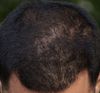
OP is using 5% minoxidil and a foligain supplement for hair loss, with blood test results showing high cortisol levels. OP is considering starting finasteride, while another user shares their experience with finasteride and hair loss challenges due to malabsorption issues.
The user is experiencing a strange hair loss pattern despite using dutasteride for 3 years and minoxidil with tretinoin for 1.5 years. They recently added microneedling and are considering a scalp biopsy to understand the cause.
GeneTherica is discussed as a source for RU58841, with ordering possible via WhatsApp. The conversation focuses on the legitimacy of this supplier for hair loss treatment.
The post discusses a theory that hair regrowth after transplant is due to the angiogenesis process (new blood vessels forming), not because the transplanted hair is unaffected by DHT. The responses highlight the established belief in 'donor dominance' (the importance of the hair's origin in transplantation) and skepticism about the new theory.
Minoxidil may inhibit collagen synthesis at high concentrations, with anecdotal reports of skin aging but limited research. Dermatologists and other specialists show little interest in studying minoxidil's side effects.
FLEAVA is accused of scamming customers by enrolling them in unwanted monthly subscriptions for Advanced Copper Peptide without consent. Many users struggled to get refunds and reported ongoing charges despite cancellation requests.
The conversation discusses a hair loss treatment regimen involving minoxidil, finasteride, RU58841, JXL069, and nizoral shampoo. The user reports seeing new black dots in areas where hair hasn't grown in years, suggesting potential regrowth.
The user is considering resuming finasteride after a 6-month break and is debating the necessity of extensive blood work, including hormone and health markers, to establish a baseline. They are unsure if the tests are necessary since they experienced no side effects previously.
A 26-year-old man who had a hair transplant and used minoxidil with good results is now experiencing shedding and considering finasteride. He's concerned about high progesterone and mild erectile dysfunction before starting the treatment.
Balding scalps have more androgen receptors, leading to increased TGF-beta, which causes blood vessel loss and hair follicle miniaturization. Blocking androgen signaling and TGF-beta may help prevent hair loss.
Pelage, backed by Google Ventures, is seen as a promising company potentially finding a cure for hair loss using stem cell activation. There is skepticism and optimism among users, with some awaiting results from ongoing trials.
HairClone aims to rejuvenate miniaturizing hair follicles through follicle banking and cell expansion, with treatments potentially available in the UK by 2022. The process involves extracting, storing, and cloning hair follicles, but full regenerative treatments will take many years to develop.
A user reports significant hair density increase and new growth at the temples after two months of using finasteride, minoxidil, ketoconazole, dermarolling, MK-677, zinc, and vitamin D3, with shedding stopping a week ago. They recently added MK-677 to their regimen.
Using PP405 and Clascoterone after a hair transplant may not cause issues if the transplant didn't achieve native density, but could lead to competition for blood supply if it did. Some users suggest waiting for these drugs to be available, as they might not significantly impact blood supply or regrowth.
A 35-year-old shared a 2-month update on their hair transplant of 3153 grafts, noting redness, itching, and some pimples, while using finasteride for over 12 years to maintain hair. Users discussed the effectiveness and timing of starting finasteride, with some suggesting consulting a doctor for young individuals considering the treatment.
Experimenting with trestolone as a treatment for hair loss in an attempt to avoid DHT-related treatments such as finasteride and dutasteride, and discussing the potential effects of its receptor selectivity on the androgen receptors in the scalp.
The conversation is about hair loss treatments, specifically discussing the use of Minoxidil, Finasteride, and RU58841. A user inquired about the availability of Winlevi (clascoterone) for hair loss.
A 17-year-old is experiencing diffuse thinning, dandruff, body hair shedding, and other symptoms, possibly linked to seborrheic dermatitis or telogen effluvium. They are using ketoconazole shampoo and considering blood tests to check for thyroid issues or deficiencies.
Winlevi (clascoterone), a DHT blocker, is being considered for hair loss treatment, though it's primarily an acne medication. Users discuss its potential effectiveness and note it may only work for a short time.
A user lost 60% hair density in 4 months, started finasteride and microneedling, and has greasy, flaky, yellowish scalp. They are awaiting biopsy results, and another user suggested trying ketoconazole shampoo.
The user is using Dutasteride 0.5 mg, Minoxidil 5%, and Microneedling for almost 5 months to address hair loss. They are considering a hair transplant for the front and crown areas due to thinning and a high hairline.
PP405 shows promise in hair regrowth, potentially outperforming existing treatments like finasteride and minoxidil, with significant results in just four weeks. The treatment is still in early stages, with further trials needed to determine its long-term effectiveness and optimal dosage.