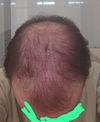
A 24-year-old has been using finasteride, oral minoxidil, and microneedling for hair loss. They reduced minoxidil due to heartburn and are considering a hair transplant.
A 27-year-old has seen hair regrowth over 5 months using 2ml of 5% minoxidil daily, 50mg of RU58841 daily, and occasional microneedling. Commenters think the results are good and ask about microneedling frequency, needle size, and if ketoconazole shampoo is used.
A new hair loss treatment, pp405, may regrow hair better than finasteride and minoxidil, with potential availability by 2028. However, there is skepticism about its effectiveness and commercialization timeline.
Hair loss is linked to the loss of stem cells in hair follicles, and potential treatments include gene editing and microneedling. Discussions also mention using Minoxidil, finasteride, and dermarolling to improve hair growth.
A user started using RU58841 a month ago after using finasteride and minoxidil for nearly three years, hoping for hair regrowth at the temples. Other users suggest vitamin B supplements and microneedling to improve hair thickness, and one mentions the possibility of a hair transplant for the temples.
A 20-year-old used finasteride, minoxidil foam, and micro-needling for hair regrowth, experiencing initial shedding but later improvement with minimal side effects. They are happy with the results and seek advice on additional products like rosemary oil for scalp health.
The user shared their positive experience with a hair transplant in South Korea, highlighting thorough consultations, consistent medical team involvement, and reasonable pricing. They noted good growth and natural-looking results after several months, with stem cell PRP treatment included to support graft survival.
The conversation is about the effectiveness of the Laduora duo massage brush for hair regrowth using vibration and red light, and whether the vitamin gel pods make sense. Specific treatments like Minoxidil, finasteride, and RU58841 are not mentioned.
Microneedling with minoxidil significantly boosts hair growth, even for non-responders to minoxidil alone. The routine includes a 1.5mm dermaroller weekly and minoxidil twice daily, with some users adding finasteride and tretinoin.
The post discusses speeding up verteporfin trials for hair loss treatment. The original poster, involved in the trials, requests help in crowdsourcing doctor emails to spread awareness and gather more support for the trials.
The conversation is about someone's progress with hair loss treatment using topical finasteride, minoxidil, and weekly manual microneedling. A reply indicates that they have made noticeable progress.
The conversation is about someone experiencing hair regrowth after using finasteride (1mg) for six months, minoxidil 5% for five months, and microneedling twice a week. Respondents agree there is noticeable improvement in hair growth.
The conversation is about someone who initially had positive results with Minoxidil for hair loss, lost those gains due to a hospital stay, and is now not seeing the same results upon resuming treatment. They plan to add microneedling and/or tretinoin to their regimen and are seeking success stories from others who did not respond to Minoxidil alone.
A user shared their successful hair loss treatment using 1.25mg finasteride daily, 2.5mm microneedling every 1-3 weeks, zinc pyrithione shampoo, occasional scalp massages, and 40% glycolic acid on temples. They reported significant progress over 21 months.
The user recently started topical dutasteride and microneedling, and has been using RU58841 and Minoxidil for 16 months. They are curious if small black dots at their hairline indicate hair regrowth.
A 7-month update from Markoj44 regarding their hair transplant results, which includes the use of topical finasteride and minoxidil in combination with Viviscal, biotin, Nizoral shampoo, and donor area photos. People responded positively to the post.
Hair loss discussion includes treatments like Minoxidil, finasteride, and RU58841. Platelet rich plasma treatment is considered expensive but cheaper than hair transplant.
The user experienced serious hair loss and started using finasteride, minoxidil, microneedling, and argan/rosemary oil. They are asking if they can maintain hair regrowth by stopping minoxidil and continuing only with finasteride and microneedling.
The conversation is about the interest in testing verteporfin, potentially with a dermaroller, for hair loss treatment. There is frustration over the lack of group buys for promising treatments compared to past efforts with less evidence.
Microneedling alone has limited effectiveness for hair growth, but it may enhance the results of topical minoxidil. The optimal needle length varies, and while some users report benefits, others see no significant change without additional treatments.
The user has been using a topical solution of Minoxidil and Finasteride for hair regrowth for 11 months, applying it three times a week. The responses to the user's question about regrowth are mixed, with some users confirming regrowth and others suggesting it's time to give up.
A user shared their 5-month hair loss treatment progress using oral finasteride, Regaine foam, 2DDR serum, and microneedling, noting improvements in hair growth at the crown and front. They are considering increasing microneedling frequency or adding a shampoo to their routine.
AMP-303, a new injectable treatment for androgenetic alopecia, showed promising results in increasing hair count and density with minimal side effects. The treatment demonstrated significant hair regrowth and durability, offering new hope for those with hair loss.
The user has been using a hair loss treatment protocol including topical dutasteride, minoxidil with tretinoin, ketoconazole shampoo, microneedling, a laser cap, and vitamin D for 15 weeks, showing impressive progress. Feedback suggests continuing medical therapy for 12-24 months before considering a hair transplant.
The user is experiencing hair regrowth with oral minoxidil and dutasteride but still has fragile hairs that easily pluck out from the front center. Despite improvements, the user is concerned about the persistent fragility and shedding of these hairs.
A 45-year-old male achieved significant hair regrowth in three months using topical finasteride, minoxidil, microneedling, biotin, and cod liver oil. He credits this regimen for his success and clarifies he did not have a hair transplant.
A 24-year-old male is using topical Minoxidil and Finasteride, along with microneedling, to address hair loss and is seeing some improvement, though it's early in the treatment process. The user is advised to continue the regimen for at least 12 months for a clearer assessment, with some recovery possibly due to resolving telogen effluvium from a previous caloric deficit.
Hair loss treatment using topical fin, min, saw palmetto, and occasional microneedling shows progress after 1.5 years. Microneedling frequency varies from weekly to every 4-5 weeks with 1.5mm needles.