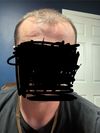
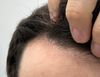
A 23-year-old male is experiencing diffuse hair loss and miniaturization, possibly due to high IGE levels after using tofacitinib. He seeks advice and has not yet consulted a dermatologist.
A user is asking if Dutasteride Mesotherapy and 0.5mg oral Dutasteride are working for their hair regrowth. Another user confirms there is clear and significant progress.
Minoxidil 0.5% MMP® showed better results in parietal-vertex regions for less advanced female pattern hair loss compared to Minoxidil 5%. MMP® with Minoxidil can improve the quality of life for these patients.
A 24-year-old male is using topical Minoxidil and Finasteride, along with microneedling, to address hair loss and is seeing some improvement, though it's early in the treatment process. The user is advised to continue the regimen for at least 12 months for a clearer assessment, with some recovery possibly due to resolving telogen effluvium from a previous caloric deficit.
Peptides like TB500, KPV, GHK-CU, and BPC-157 are overhyped for hair growth with limited proven effectiveness in humans. Combining peptides with delivery methods like iontophoresis and sonophoresis shows promise, but many claims remain unproven.
After a hair transplant, the user is concerned about not seeing new hair growth at 3 months, despite using dutasteride and minoxidil. It is advised to continue the treatment as new hair typically starts growing around 4 to 6 months post-surgery.
A 30-year-old shared their successful hair restoration journey using liposomal topical finasteride and minoxidil, vitamins, and a second hair transplant in Greece, which significantly improved their hair density without side effects. The transplant cost $7500 and involved filling an old scar, with the user expressing gratitude for the life-changing results.
Hair loss and potential treatments, primarily focusing on Finasteride and Minoxidil. Other solutions discussed include PRP, dermarolling, LLP, and scalp tension relief.
The conversation discusses using microneedling combined with castor, peppermint, rosemary oils, and caffeine as a treatment for mild hair loss, aiming to stop or slow down hair loss and potentially regrow hair. The effectiveness of this treatment without side effects is uncertain, and it may slow hair loss but results vary.
The user experienced hairline improvement using microneedling once a month with a 12-pin set at 1.5-2.0mm and taking Tru Niagen, alongside a heavily modified diet. They attribute the slow hairline improvement to environmental factors, particularly diet, rather than solely genetic factors.
A user trying to avoid an expensive hair transplant, and the replies suggesting they wait two years on treatment before deciding if they need a transplant or not.
Finasteride, Minoxidil, Bioneer CosmeRNA, Technoderma, Kintor, Hope, Breezula, and Follicum treatments showed increases in hair count, with Technoderma showing the highest increase at 24.3 hairs/cm². Amplifica has not yet published results.
PP405 shows promise in stimulating new terminal hair growth by activating dormant follicles, with no systemic adverse effects observed in a short-term trial. However, long-term efficacy remains unproven, and further trials are needed to confirm its potential as a hair loss treatment.
Hair loss treatment using topical fin, min, saw palmetto, and occasional microneedling shows progress after 1.5 years. Microneedling frequency varies from weekly to every 4-5 weeks with 1.5mm needles.
Microneedling once a week at 1mm caused bumps, possibly scars, in the treated area. The user is considering cleaning the skin before microneedling to prevent this issue.
User shared 8-month hair loss treatment progress using topical fin/min, topical dut, mk677, RU, and microneedling. They experienced watery semen as a side effect but saw significant improvement in hair growth.
A mixture of MSM, kombucha, and black tea was applied topically for hair growth in mice. The conversation suggests skepticism about translating these results to humans.
Microneedling's long-term effects on hair loss are uncertain, with concerns about scarring and the need for continued use of minoxidil and finasteride to maintain gains. Finasteride does not sustain minoxidil-regrown hair without ongoing minoxidil use, and microneedling alone shows limited evidence of effectiveness.
Noticeable hair regrowth occurred after two months of using minoxidil and starting finasteride. Users suggested continuing the treatment and considering microneedling for better results.
GentleIris stopped hormone-induced hair loss with diet changes but couldn't regrow lost hair. A reply suggested microneedling instead of Platelet-Rich Plasma Therapy (PRP) for hair regrowth.
The user has been using finasteride and minoxidil with tretinoin for 5 months and is questioning if they see hair regrowth. Others share their experiences and challenges with hair loss treatments, particularly the availability of medications.
The user reported positive hair regrowth after 11 months on finasteride and 4 months of microneedling. Opinions in the conversation vary, with some endorsing microneedling as effective and others emphasizing finasteride as essential, while acknowledging that treatments may not work for everyone.
The user stopped oral treatments due to side effects and switched to a regimen of topical minoxidil, tretinoin, azelaic acid, and dermaneedling, with recent addition of topical finasteride. They are questioning the long-term effectiveness of non-hormonal methods and considering hair transplantation.
Scalp biopsies are crucial for diagnosing hair loss conditions like Diffuse Unpatterned Alopecia (DUPA) and retrograde hair loss, as treatments like finasteride and dutasteride may not be effective if other conditions are present. Combining PPAR-GAMMA agonists with retinoids could improve treatments for conditions like Lichen Planopilaris.
Dutasteride mesotherapy, combined with peptides and exosomes, is being considered for hair loss treatment. One user suggests that oral finasteride or dutasteride mesotherapy may not be necessary if already taking oral dutasteride.
The user has been using 3mg oral minoxidil, 1mg finasteride, microneedling, and topical 5% minoxidil for hair loss. They are unsure about the results, noticing some regrowth but feeling dissatisfied overall.
The conversation discusses using microneedling with growth factor serum, PRF injections, dutasteride, oral and topical minoxidil, and topical exosomes to treat hair loss, particularly on the crown. OP plans to microneedle twice a month and seeks feedback on Korean growth factor serums.
The user reports potential hair regrowth after using finasteride nightly, minoxidil twice daily, occasional microneedling, and vitamin supplements, and is considering RU58841 in the future. Replies suggest they are seeing improvement.