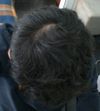
Missing 15 days of finasteride and minoxidil may cause some hair loss, but resuming treatment should help regrow hair. It's important not to miss doses to avoid potential setbacks.
The user stopped taking 5 mg oral minoxidil after 15 days due to side effects and is experiencing hair shedding. They are now using topical minoxidil on temples and corners and have used oral finasteride for a year, seeking advice on hair regrowth and shedding duration.
A user is considering starting finasteride at a lower dose to prevent hair loss but is concerned about potential side effects. They seek advice on whether others have had positive experiences with minimal side effects.
CRISPR Cas9 could potentially treat baldness by targeting specific genes in hair follicles without affecting other body functions. There is optimism about its future use, despite ethical concerns and the current reliance on treatments like minoxidil and finasteride.
The conversation discusses hair loss treatments, with users sharing experiences and opinions on finasteride, minoxidil, and other methods. Many recommend finasteride for its effectiveness, while others express concerns about side effects and emphasize the importance of acting quickly to address hair loss.
Stopping finasteride and dutasteride led to significant hair shedding, but restarting finasteride may help regain previous hair thickness. The shedding is likely temporary and may stabilize in a few months.
The user is experiencing hair loss, initially diagnosed as Telogen Effluvium due to stress, but is concerned it might be Androgenetic Alopecia (AGA). A suggestion was made to consider using Minoxidil or Finasteride if the condition worsens.
Concerns about the long-term effects of dutasteride and finasteride on fertility, with discussions on cycling these medications to mitigate risks. The conversation highlights skepticism about study methodologies and the importance of weighing treatment risks against potential fertility issues.
The conversation is about concerns regarding starting finasteride for AGA, with a preference for topical finasteride due to worries about oral side effects. The user is considering adding oral minoxidil later due to an allergy to topical minoxidil.
Tretinoin can cause non-telogen hair loss in some men by inducing catagen-like changes in hair follicles and through retinoid toxicity, especially when used with minoxidil. Some users report hair loss even when using retinoids on the face, while others experience benefits when combined with treatments like finasteride and minoxidil.
A 32-year-old male experienced reduced libido and erectile difficulties after taking Minoxidil and Dutasteride for hair loss. He stopped the treatment and plans to consult his doctor, seeking similar experiences from others.
The user experienced hair loss diagnosed as chronic Telogen Effluvium and male pattern baldness, treated with finasteride and minoxidil, later switching to dutasteride due to side effects but with limited success. The user plans to return to finasteride due to side effects from dutasteride, while others suggest maintaining consistent treatment and considering additional options like oral minoxidil and lifestyle changes.
A 21-year-old male used low-dose 5% topical Minoxidil inconsistently for four months, resulting in stopped hair shedding and improved hair density, though the hairline remained unchanged. Users discussed the potential use of finasteride and other treatments, with some suggesting consulting a dermatologist for further advice.
The user seeks advice on making hair look healthier, mentioning past use of finasteride after a hair transplant. They request recommendations for nourishing shampoo/conditioner, hair growth vitamins, a good hair oil, and a natural method to cover greys.
Microneedling's long-term effects on hair loss are uncertain, with concerns about scarring and the need for continued use of minoxidil and finasteride to maintain gains. Finasteride does not sustain minoxidil-regrown hair without ongoing minoxidil use, and microneedling alone shows limited evidence of effectiveness.
Minoxidil helps hair growth by increasing blood flow and prolonging the growth phase, but it doesn't address the root cause of hair loss, such as DHT sensitivity. Finasteride can help maintain some gains by blocking DHT, but stopping Minoxidil often leads to hair loss because the new hairs are dependent on it.
Oral minoxidil combined with finasteride can improve hair density, but long-term safety is uncertain due to potential side effects like heart and kidney issues. Users report mixed experiences, with some experiencing side effects and others finding it effective for hair maintenance.
A user shared progress pictures showing significant hair regrowth after using a topical solution containing 5% Minoxidil, Finasteride, Redensyl, and Procapyl. The user reported no side effects and applies the solution twice daily.
A user shared their 4-month progress using 5% topical minoxidil and 2 months of oral dutasteride for hair loss, experiencing significant shedding but also new hair growth. They reported side effects like increased body hair and temporary low libido, and are considering adding topical finasteride to their regimen.
The user started a hair loss treatment with 1mg oral finasteride daily, PRP injections, and Ketoconazole shampoo, noticing reduced hair fall and slight improvement at the temples. They are concerned about potential side effects, which can vary in onset and duration.
A user experienced positive hair regrowth after 108 days of using 0.5 mg daily Dutasteride and Alpecin caffeine shampoo, without Minoxidil. The discussion included advice on dosage, potential side effects, and comparisons with Finasteride and Minoxidil.
Avoid burning or scarring the scalp for hair growth; instead, use treatments like finasteride, minoxidil, or consider a hair transplant. Microneedling should be done carefully, and extreme methods can cause harm.
The conversation is about using RU58841 for hair loss, discussing the stability of the powder form and the need for a carrier solution like KB or PG + ethanol. The user is advised to mix RU58841 with stemoxydine and store it properly, while also considering safety precautions.
A 29-year-old male shares his 3-month hair regrowth progress using finasteride, minoxidil, and microneedling, reporting no side effects and light initial shedding. He is encouraged by the results and plans to continue the treatment.
A 26-year-old male shared his hair loss treatment journey using finasteride, minoxidil, dutasteride, and microneedling, noting dissatisfaction with hair thickness but hoping for improvement. Users discussed side effects, treatment effectiveness, and shared personal experiences with similar treatments.
Poor diet and lifestyle contribute to male pattern baldness. Treatments like Minoxidil, dietary changes, and lifestyle adjustments may help slow hair loss.
Genetic factors, enzyme activity, and DHT sensitivity affect individual responses to hair loss treatments like finasteride, minoxidil, and dutasteride. Starting treatments early can slow hair loss, but results vary among individuals.
A 23-year-old male has been using Dutasteride for over two years to address hair thinning, with some success in temple regrowth but continued thinning on top. He is considering adding Minoxidil to his routine and is contemplating lifestyle changes like quitting smoking and drinking to improve hair density.
The conversation discusses hair loss treatments, including finasteride, minoxidil, estradiol, and spironolactone, with a focus on their effects on hair regrowth and gender transition. The original poster shares their personal experience with these treatments, emphasizing that estradiol and spironolactone should not be used by those who want to maintain a masculine appearance.