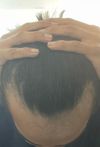
User is scared to start finasteride for hair loss due to potential sideeffects and personal concerns. Another user suggests trying a low dose for 6 months and avoiding online groups to reduce anxiety.
Low-dose oral minoxidil is a safe and effective hair loss treatment with fewer sideeffects than previously feared. Users often prefer it over topical minoxidil for better results, though some experience sideeffects like increased body hair and cardiovascular issues.
Finasteride is seen as risky for men due to sideeffects like erectile dysfunction, while hormonal birth control for women is normalized despite its sideeffects. The discussion points out a double standard influenced by societal and gender norms.
High dose topical Finasteride solutions are speculative and not proven more effective than low dose solutions. Users report varying results with different concentrations, with some preferring lower doses to minimize sideeffects.
A 25-year-old male has been using finasteride every other day for over six months to address hair loss but continues to experience significant hair shedding. He is considering minoxidil but is hesitant due to scalp issues and potential sideeffects, and is contemplating whether to increase his finasteride dose or try other treatments.
The conversation discusses using S5 plus cream (Spironolactone, Alfatradiol, and Tempol) as an alternative to finasteride for hair loss, with concerns about its effectiveness and potential systemic absorption. The original poster already uses 5% minoxidil and is seeking alternatives due to fears of finasteride's sideeffects.
This conversation is about the effectiveness of Finasteride and Minoxidil as treatments for hair loss, with SnooBooks5080 claiming positive results from using both medications. However, other participants in the conversation caution that there are potential sideeffects to be aware of when taking Finasteride and advise people to do their research before making a decision.
Oral minoxidil users should monitor heart health with periodic echocardiograms and cardiologist visits due to potential sideeffects. While some experience serious sideeffects, they are rare, and the benefits for hair growth often outweigh the risks.
Dutasteride doses matter for hair loss treatment and are more effective than finasteride. RU58841 is suggested for better gains, but sideeffect profiles should be considered.
A user shared their 8-month progress using 1mg oral finasteride with no sideeffects and plans to start minoxidil. Another user commented that the results look great and suggested reconsidering starting minoxidil.
The conversation is about differing experiences with finasteride for hair loss, with some users reporting sideeffects and others not, and the debate over the drug's safety and effectiveness. Specific treatments mentioned include finasteride, dutasteride, and topical finasteride.
A user is considering finasteride for hair loss and is concerned about its effects on DHT levels and potential sideeffects, including those from creatine. The user seeks advice on finasteride's impact on hair and body hair, given their high DHT and testosterone levels.
The user switched from topical minoxidil and finasteride to oral minoxidil due to lack of results. They experienced sideeffects at higher doses but saw new hair growth at lower doses.
A user is concerned about receding hairlines and considers using finasteride and minoxidil but is hesitant due to potential sideeffects. Others advise starting treatment early to prevent further hair loss, emphasizing that finasteride is generally safe and effective for prevention.
A 19-year-old male experiencing hair loss is seeking advice on managing it without sexual sideeffects. He has used topical minoxidil and finasteride but experienced sideeffects, and is considering lifestyle changes to help slow hair loss.
A 52-year-old is switching from finasteride to dutasteride to address crown balding, despite concerns about potential sideeffects. They have used finasteride for nearly 30 years, had a minor hair transplant, and are considering further treatments if dutasteride doesn't improve their condition.
PP405 is a promising new hair loss treatment that may reactivate dormant hair follicles without sideeffects. It could surpass traditional treatments like minoxidil and finasteride if successful in further trials.
The user has been using topical minoxidil and dermarolling for hair regrowth but is hesitant to start finasteride due to potential sideeffects. Many suggest adding finasteride for better results in addressing DHT-related hair loss.
A user shared their 2-month progress using oral minoxidil and finasteride for hair loss, noting sideeffects and adjustments in dosage. They also use Nizoral shampoo and previously tried topical treatments and a hair system.
A user shared their one-year progress on dutasteride, noting fuller hair but persistent thinning at the crown. They sought advice on whether to resume minoxidil and in which form, while others inquired about their choice of dutasteride and its effects.
After taking finasteride for 192 days, the user experienced sideeffects like depressed mood and decreased libido, along with worsening hair thinning and scalp issues. Despite consulting a dermatologist, the user's hair condition and scalp itchiness have not improved.
A 25-year-old male experiencing hair loss suspects stress-related alopecia and is hesitant to use Minoxidil due to potential sideeffects. Another user suggests it might be androgenic alopecia and recommends starting finasteride.
A user has been taking finasteride for 7 months and is experiencing watery semen as the only sideeffect. They are considering taking zinc supplements to improve this condition.
The conversation is about the availability of the PP405 formula for hair loss treatment, with mentions of finasteride and its sideeffects. Users discuss the potential of obtaining the formula through unofficial channels and the challenges related to its genetic sequence and delivery method.
After one year on finasteride, a user reports positive hair regrowth and minimal sideeffects, encouraging others to try the treatment despite potential risks. Other users share varied experiences with finasteride, some seeing improvements and others still waiting for results.
.
This user experienced positive results from using a combination of minoxidil and finasteride, with no reported sideeffects after two months. Others have also shared their experiences with both short-term and long-term use of finasteride.
A 21-year-old shares progress 1.5 months after starting finasteride (0.5 mg every other day) with no sideeffects, using minoxidil for beard growth, rosemary oil, and weekly microneedling. They report healthier hair texture and positive feedback from family.
An 18-year-old shared a 5-month hair transformation using RU58841 and minoxidil, reporting no sideeffects and crediting most regrowth to minoxidil. Opinions on RU58841 are mixed, with some users and a YouTuber moving away from it due to sideeffects and lack of studies.
A user shared their experience with hair loss, initially using oral finasteride and minoxidil but experiencing sideeffects like low libido and ED. They switched to a topical finasteride and minoxidil combination, which improved their hair thickness with fewer sideeffects.