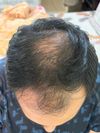
Nanoxidil is discussed as a potential alternative to Minoxidil for hair loss, with some users reporting better results and improved hair strength. However, concerns about its lack of FDA approval and potential scalp dryness are noted.
Adding Nizoral Shampoo (ketoconazole 2%) improved hair quality and reduced scalp irritation. Alternatives like zinc pyrithione shampoo and Piroctone Olamine were also discussed.
User shared 8-month progress using Fin, Min, RU daily and Nizoral twice a week for hair loss. Experienced shedding, but saw improvement and gained hope.
The user is addressing hair loss with scalp botox, scalp massage, nizoral shampoo, various vitamins and supplements, and natural nitric oxide boosters like citrulline malate and beetroot powder. They are also considering a mouthpiece to reduce snoring and improve sleep.
User noticed beard and sideburn hair loss, and thinning eyebrows, diagnosed with alopecia barbae and male pattern baldness, and prescribed Desonide cream. User seeks feedback on Desonide cream.
The 24-hour waiting period after dermarolling before applying minoxidil is unnecessary. New research supports the simultaneous application of minoxidil with microneedling for better hair growth results.
The conversation discusses the potential effectiveness and risks of using topical finasteride for hair loss, with considerations about using DMSO as a vehicle for application. Concerns are raised about DMSO's safety, absorption issues, and the systemic effects of topical finasteride.
Formula 82M, a minoxidil and retinol liquid, improved hair texture and filled in temples with baby hairs for the user, but its high cost and lack of reviews cause concern. Another user mentioned using a similar product, 82F, which has become less effective and expensive over time.
The user reports success in treating hair loss using finasteride, minoxidil, Nizoral, vitamin D3, biotin, and dermarolling. They noticed improved hair growth, especially after addressing a severe vitamin D deficiency and changing their minoxidil regimen.
Minoxidil may cause fine lines and dark circles, but effects might be reversible with retinol. Users report mixed experiences, with some noticing skin changes and others not.
A 24-year-old male experienced unexpected hair growth and improved skin and nails after adding daily vegetable juices, including carrot, spinach, celery, and beet, to his diet. He is not using any other treatments like minoxidil, finasteride, or RU58841.
People are discussing hair careproducts and shampoos, with some using ketoconazole 2% and others mentioning products like NATIVE brand and Dr. Bronner’s peppermint soap. There's a focus on scalp health and the potential benefits of certain shampoos for aiding minoxidil absorption.
A 33-year-old is considering switching from topical finasteride to oral finasteride due to application difficulties with long hair. They are concerned about potential shedding with oral finasteride and are seeking advice on dosage and whether their crown shows signs of thinning.
A 23-year-old is seeking advice on starting Finasteride for hair loss, questioning its effectiveness, side effects, and long-term safety, including concerns about dosage, alternatives, and potential impacts on fertility and beard growth. They also inquire about the effectiveness of combining topical and oral treatments and the necessity of Finasteride for maintaining hair transplant results.
A 31-year-old Indian male has been using oral minoxidil and finasteride for hair loss without visible improvement. He is considering taking DUT tablets against his doctor's advice due to potential side effects and is contemplating buzzing his hair instead.
The conversation discusses the use of finasteride for hair loss, with OP considering switching to dutasteride due to concerns about effectiveness. Users share experiences and concerns about side effects, including potential impacts on fertility.
The user experienced positive hair growth and thickness after using a daily blend of 1.2mg Finasteride, 3mg Minoxidil, and other vitamins for five months, with noticeable improvements around the 3.5 to 4-month mark. They reported no side effects and emphasized the importance of patience and consistency with the treatment.
A 21-year-old is experiencing hair thinning at the crown and has seen improvement with Minoxidil. They are considering adding Finasteride to stabilize hair loss but are concerned about potential side effects.
A user shared their experience with two hair transplants in Istanbul, highlighting the importance of choosing clinics with a low doctor-to-patient ratio, ISHRS membership, thorough consultations, and reliable aftercare. They emphasized the significance of PRP shots post-procedure and advised careful selection of clinics, especially for crown procedures, due to limited donor area opportunities.
Switching from finasteride to dutasteride can lead to varied results, with some experiencing better hair regrowth and fewer side effects, while others continue to lose hair. Dutasteride is generally seen as more effective but has a longer half-life, potentially extending side effects.
The user has been using 5% Minoxidil and microneedling for 11 months, showing some regrowth, and is considering adding Finasteride to enhance results. Many suggest adding Finasteride, either orally or topically, to address DHT-related hair loss and improve hair growth.
Dutasteride is considered a powerful treatment for hair loss, potentially effective for decades, but its success depends on individual genetics and response. Combining Dutasteride with other treatments like Minoxidil, Finasteride, and RU58841 may enhance results, but outcomes vary.
The user is considering switching from finasteride to dutasteride and possibly using oral minoxidil to address hair loss, having seen some progress with topical treatments and microneedling. They are also contemplating a hair transplant in the future and seeking advice on obtaining medications in Italy.
The user is using minoxidil and topical finasteride for hair loss and is seeking advice on whether to use a derma pen or derma stamp for microneedling, including the appropriate length and frequency. They previously stopped oral finasteride due to side effects.
A person shared their hair regrowth journey using HIMS topical treatments with finasteride, minoxidil, hormone replacement therapy (HRT), and microneedling. They also discussed their transition as a transgender woman and the positive impact of HRT on hair recovery.
The conversation discusses the use of finasteride for hair loss treatment and addresses misconceptions about its use in hormone replacement therapy. It also touches on the safety and long-term effects of finasteride, with some users expressing skepticism and others defending its safety profile.