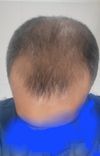
PP405 increased hair density by 20% in 31% of participants, but results are considered underwhelming. Minoxidil and finasteride are seen as more effective treatments.
Clascoterone (Breezula) showed positive results for treating hair loss without affecting cortisol levels. Opinions vary, with some users optimistic about its potential and others critical of its effectiveness compared to existing treatments like finasteride.
Finasteride may affect blood sugar and metabolism, with some users reporting increased blood sugar and changes in body composition. To manage potential side effects, users suggest exercise, intermittent fasting, and dietary adjustments.
PP405 shows promise in hair regrowth, with 31% of participants experiencing over 20% increase in hair density after 8 weeks. Phase 3 trials are expected in 2026, with potential market availability by 2029-2031.
The post and conversation are about a user who made their own Platelet-Rich Plasma (PRP) for hair loss treatment at home, using their own blood and a centrifuge. The responses vary, with some users supporting the DIY approach to save money, others expressing concern about the safety and effectiveness of the method, and a few joking about the lengths people will go to combat hair loss.
Calculating the correct dosage of vitamin D from a 60,000 IU bottle using a dropper. The user is advised to take 0.05 ml for 600 IU, but struggles with finding a suitable supplement without additional ingredients like omega 3 or calcium.
The conversation discusses using Sandalore for hair loss treatment, with a focus on finding the correct concentration for a topical lotion. The consensus is to start with a 0.1% concentration due to potential scalp irritation at higher levels.
A 36-year-old man with androgenetic alopecia suspects copper and zinc deficiencies may be accelerating hair loss and is supplementing copper to address this. He is also monitoring blood sugar levels due to previous prediabetes concerns and plans to test for insulin resistance.
A 34 year old female with androgenic alopecia who has tried treatments such as Spironolactone, Desogen, Minoxidil and Finasteride in order to address her hair loss. It also details the experiences of other women taking Spironolactone for Female Pattern Hair Loss (FPHL).
The conversation ranks natural shampoos used for hair loss, with Pura D'or being the top choice due to its multiple DHT blocking ingredients and value. Other shampoos mentioned include Hims DHT Blocker Shampoo, Bevisen Organic Anti-DHT Shampoo, Ultrax Labs Hair Growth Stimulating Shampoo, and Hairgenics Pronexa Therapy Shampoo, with varying effectiveness and prices.
The conversation discusses why CB-03-01, a potential hair loss treatment, isn't widely discussed despite evidence of its effectiveness and safety. Some users mention other treatments like melatonin, procianidin b2, and RU58841, debating their effectiveness and safety.
A trichologist prescribed Biotrade Sebomax HR Anti-Hair Loss Tonic, Spectral DNC-N Nanoxidil, Hairfollic Him/Man Vitamins, and Bosley MD DHT blocking supplements instead of finasteride due to potential risks at age 21. The user questions the legitimacy of the treatment and considers seeking a second opinion.
Finasteride has no effect on the user's estradiol levels, and body fat may influence aromatization. The user is on testosterone replacement therapy and uses everyday injections to manage high RBC count, with plans to measure DHT, DHEA-S, and pregnenolone levels.
The conversation discusses the importance of scalp skin barrier health in hair follicle cycling, suggesting treatments like ceramides or niacinamide to support hair growth. It also mentions the use of finasteride for hair loss.
Scalp Botox may help hair loss by relaxing muscles and increasing blood flow, potentially benefiting conditions other than androgenetic alopecia. DHT affects hair follicles differently, causing tension and hair loss in some areas but not others.
The user is experiencing hair fall and is using a nonsulfate Maui Hibiscus shampoo and conditioner, washing twice a week, and applying a warm mixture of castor and olive oil. They seek advice on a proper haircare regime and product recommendations for low porosity hair.
A 20-year-old is experiencing hair loss and has low levels of Vitamin D, B12, and iron. They are seeking advice on vitamin D supplementation, despite no family history of hair loss.
A 32-year-old male started taking 0.5mg of finasteride daily for hair thinning and, after 8 weeks, experienced a 70% reduction in DHT and an increase in estradiol; he is currently in the shedding phase of treatment and questioning if the dosage is correct based on his DHT levels. He began with a lower dose due to already low normal testosterone and DHT levels.
User experienced good results with topical finasteride, noting reduced DHT and increased testosterone. They plan to revert to a lower dosage after observing slight libido reduction.
Finasteride may lower allopregnanolone levels, potentially affecting mood, but many users report improved mental health due to reduced hair loss. Experiences with finasteride and dutasteride vary, with some experiencing side effects and others finding them beneficial for hair retention and overall happiness.
The conversation discusses the role of NADPH in hair loss and the potential impact of creatine and B complex vitamins on hair shedding. The user theorizes that increasing NAD levels with B complex vitamins may reduce hair shedding, despite using finasteride and minoxidil for 9 months.
A 26-year-old male experienced significant hair regrowth using a 4-in-1 topical treatment from Hims, which includes minoxidil, finasteride, ketoconazole, and biotin, over four months. The user reported increased body and beard hair, skin changes, and no negative sexual side effects, while others noted the rapid and impressive results as atypical.
Clascoterone 5% solution (Breezula) is a promising alternative for androgenetic alopecia, showing continued hair growth with consistent use and no significant side effects. It may be suitable for those who cannot tolerate finasteride or dutasteride, especially when trying to conceive.
A user was prescribed Alpicort E, which contains Estradiol Benzoate, Prednisone, and Salicylic Acid, for hair loss and is seeking others' experiences due to concerns about potential side effects.
The conversation is about the use and application of CB-03-01-2 (Breezula) for hair loss, including questions about its form, how to apply it, and the duration 10g would last. Specific treatments discussed are Minoxidil, finasteride, and RU58841.
A 31-year-old experiencing rapid hair loss is considering whether to shave their head or use treatments. They were prescribed B12, topical finasteride 0.1%, and minoxidil 10% but are unsure about the correct dosage and potential side effects.
Diet changes alone are unlikely to reverse hair loss, as some users report no improvement without medical treatments like finasteride. A disciplined diet high in nutrients may support overall health, but finasteride is noted for effectively reversing hair thinning.
A user suspects low iron might be causing hair loss and plans to get tested. They doubt low iron is the issue due to a balanced diet but want to rule it out.