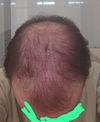
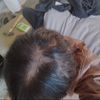
The user is experiencing increased hair shedding after one year of using oral dutasteride. They are seeking opinions on their DHT test results, which show levels below baseline.
CB-03-01 is a topical anti-androgen with low absorption, offering potential as a side-effect-free alternative to Finasteride/Dutasteride for hair loss. It's in stage 2 clinical trials for acne and showing promise for male pattern baldness.
The user is using a hair regrowth treatment plan that includes finasteride, microneedling, minoxidil foam, ketoconazole shampoo, and piroctone olamine shampoo. They are seeking advice on the effectiveness of their regimen and dosage of finasteride, and are curious about others' experiences with piroctone olamine.
Dr. Bloxham's new channel will discuss verteporfin and other future hair loss treatments. Users express interest and hope for the effectiveness of these treatments.
A user is upset about hair loss due to seborrheic dermatitis and DUPA, which prevents a hair transplant. They mention using jojoba oil and discuss treatments like Minoxidil, finasteride, and RU58841.
Hair loss discussion with a focus on a single resilient hair, jokingly called "chad hair," that remains despite hairline receding. Some users suggest microneedling and hair follicle cloning as potential treatments.
The user has been using finasteride and dutasteride for hair loss but is experiencing low energy and motivation, possibly due to high prolactin levels. Despite treatment, hairline recession continues, and the user is considering the impact of low DHT levels on overall health and energy.
A user is concerned about hair loss in the temple area despite using Minoxidil and finasteride for 10 months and is curious if PP405 can help. Responses indicate uncertainty about PP405's effectiveness, with some optimism about future treatments and AI speeding up drug discovery, but emphasize waiting for clinical trial results.
L. reuteri, a probiotic, is being explored for its potential benefits in treating androgenic alopecia, possibly enhancing finasteride's effects and reducing inflammation. The user combines this with finasteride, oral minoxidil, and other supplements, noting some improvement in hair loss.
There is no new information on pp405, with data collection expected to finish by the end of 2025. Users are discussing the timeline for data analysis and completion of Pelage Pharmaceuticals' phase 2 study.
The user is exploring hair loss treatments, including Patented Growth Factors (PGF) and a serum with Copper Peptide, Ceramides, Amino Acids, and Caffeine, while expressing concerns about the cost and effectiveness of PGF. They are also considering starting finasteride due to doubts about PGF's long-term viability and are seeking experiences from others who have used these treatments alongside antidepressants.
The conversation discusses various theories and suggestions for hair loss, with a focus on DHT as the primary cause. Treatments mentioned include Minoxidil, finasteride, and RU58841.
The conversation discusses natural DHT blockers like rice bran oil, which may reduce 5α-reductase activity similarly to Minoxidil and Dutasteride. One user argues that finasteride is more reliable and effective than natural alternatives.
A 29-year-old reports positive hair recovery after 7 months using liposomal topical finasteride and minoxidil, low-level light therapy, and vitamins, following a 3600 graft DHI procedure. They experienced no side effects from the topical treatment, unlike with oral finasteride.
The conversation discusses using topical Calcipotriol and Valproic Acid for hair loss, focusing on their mechanisms involving the VDR receptor and Wnt/beta-catenin pathway. Specific treatments mentioned are Minoxidil, Finasteride, and RU58841.
Hair cloning technology is advancing, with clinical trials for improved methods expected by 2028 and 2029, potentially offering a solution for hair loss if donor follicles remain. Organtech's expansion into other biotech areas may secure funding, but the effectiveness of cloning depends on the availability of androgen-resistant donor follicles.
The conversation is about a user who experienced negative side effects and poor sleep after using an impure hair loss treatment 'CB' from Wuhan Hengheda Pharm, which did not offer a refund or proper customer service. The user had the product tested, confirming its impurity.
The user has been using oral Dutasteride (.5mg) for 104 days and oral Minoxidil (.5mg) for about 2 months to address hair loss. Changes in hair appearance are noted, influenced by haircuts and dyeing, which affect the visibility of thinning areas.
RepliCel has purchased Trichoscience, and they have a video about hair multiplication. The conversation also mentions treatments like Minoxidil, finasteride, and RU58841.
RU58841 is being considered for hair maintenance by someone who can't tolerate finasteride. Alternatives like topical finasteride, dutasteride, and KX826 are also suggested.
User experienced significant hair regrowth after 90 days using Dutasteride, oral and topical Minoxidil, RU58841, dermarolling, and Keto shampoo. Others discuss potential side effects and difficulty determining which treatment is most effective.
The conversation discusses interest in peptides for hair loss, specifically mentioning ahkCU and ghkCU. A user is considering adding ghkCU to their treatment regimen.
Iontophoresis and sonophoresis can enhance drug delivery into the scalp. Combining these methods may improve the effectiveness of topical treatments like dutasteride and certain peptides.
The conversation discusses buying RU58841 directly from a Chinese supplier for cost savings. It mentions that companies like Anageninc and Actifolic do the same.
The conversation discusses the approval of Kintor Pharmaceutical's AR-PROTAC (GT20029) for clinical trials in China for acne and androgenic alopecia. One user expresses optimism about new treatments being developed and seeks clarification on how the new drug works, specifically if it temporarily degrades the AR protein to reduce DHT sensitivity in hair follicles.
The conversation discusses severe hair shedding and thinning, with the original poster using finasteride, oral minoxidil, and other supplements without improvement. The discussion highlights the possibility of telogen effluvium and the importance of addressing potential underlying health issues, such as stress and gut health, rather than assuming diffuse unpatterned alopecia (DUPA).
A user is seeing good results with RU58841 for hair loss, noting reduced shedding and thicker hair. They plan to use pumpkin seed oil as a solvent to avoid water content, which they believe reduces the effectiveness of anti-androgens.