A dermatologist prescribed a topical hair loss treatment containing finasteride, biotin, melatonin, and caffeine without alcohol. The user is skeptical about its effectiveness.
The conversation discusses affordable options for topical Finasteride, including products like Morr F, 82F, and Essengen 6 Plus, with concerns about availability and cost. The user is seeking effective and convenient solutions, considering options like compounding pharmacies and homemade solutions.
The conversation discusses the effectiveness and skepticism around topicaldutasteride for hair loss, with mentions of combining it with other treatments like minoxidil and oral medications. Some users doubt its efficacy due to lack of independent studies and potential conflicts of interest.
Topical spiro's effectiveness on androgens is discussed. User tried oral DUT, oral Min, keto/nizoral, and RU but experienced worsening hair loss and chest pains. Suggestion given to increase dutasteride and oral minoxidil dosage before considering spironolactone.
The user experienced significant hair regrowth after 7 months using topical minoxidil once a day and 0.5mg dutasteride every other day, with noticeable results in the last two to three months. They reported no side effects and did not use dermarolling.
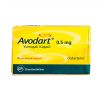
The conversation discusses skepticism about the efficacy of Dutasteride bought from a Jan Aushadhi store, with the user planning to take it once a week alongside Finasteride. Some users suggest alternatives like Duprost from Cipla, while others express doubts about government-supplied products.
The conversation discusses two hair loss treatments: Minoxidil 5% with Azelaic Acid 1.5% and Dutasteride 0.05% topical foam, and Finasteride 0.1% with Minoxidil 5% topical foam. Users express uncertainty about the effectiveness of topicalDutasteride, while topical Finasteride is generally considered effective.
The user is dissatisfied with the results of using 0.3% finasteride and 6% minoxidil for hair thinning and is considering a topical treatment combining finasteride, dutasteride, minoxidil, melatonin, caffeine, and latanoprost. Another user suggests that high topical concentrations can lead to systemic exposure and recommends using oral dutasteride and microdosing topical finasteride.
User's 2-month hair loss treatment includes Dut 0.5mg, oral min 2.5mg, Dut+PRP mesotherapy, microneedling, and other products. Dermatologist increased min dose to 5mg, expecting better results at 6-month mark.
A 25-year-old is experiencing hair thinning despite using 0.5mg oral dutasteride, 0.3% topical finasteride, and 6% topical minoxidil daily for a year. They are considering increasing dutasteride dosage and exploring other treatments like microneedling and KX 826, while seeking further medical opinions on their condition.
Oral Dutasteride and topical Finasteride may have similar effects on scalp DHT, but topicalDutasteride might be less effective due to poor absorption. Combining oral Dutasteride with topical Finasteride could potentially enhance results by blocking DHT in both the scalp and serum.
A user is seeking feedback on a homemade topical finasteride formula for hair loss, consisting of 7.5 mg of finasteride, propylene glycol, ethanol, and distilled water. They aim to achieve a 0.0125% solution by applying 2 ml daily.
Hair loss progress in 4.5 months using dutasteride 3x/week, topical minoxidil 1-2x daily, and microneedling 2x/month. Users praised the significant improvement.
User made progress with topical Finasteride/Minoxidil and topicalDutasteride for hair loss. Microneedling at 1.5mm daily was also mentioned as part of the treatment.
OP saw significant hair growth after starting scalp exfoliation and using 5% topical minoxidil for 4.5 months, along with microneedling initially. Users discussed the benefits of exfoliation and inquired about experiences with finasteride and dutasteride.
The user has been using 0.1% topical finasteride and topical minoxidil for hair loss, and has now been prescribed Dutasteride. They also use a derma pen, ketoconazole shampoo, and a mix of oils for treatment.
A user questions if a topical compound with finasteride, dutasteride, minoxidil, retinoic acid, caffeine, and triamcinolone is excessive for hair loss treatment. Another user shares their experience using topical finasteride without issues and notes that alternating finasteride and dutasteride is common.
The user has been using 0.5mg Dutasteride daily and topical Minoxidil but is experiencing worsening hair density and is considering switching to Finasteride, increasing the Dutasteride dose, or adding RU58841. They are also considering microneedling and have concerns about the effectiveness of generic Dutasteride compared to branded versions.
Topicaldutasteride is more effective than finasteride for hair loss but lacks FDA approval and research, leading to less use. Users report varying effectiveness and side effects, with some preferring oral treatments.
A user is seeking recommendations for buying topicalDutasteride without Minoxidil in the UK. They mention three potential vendors: Dense Hair Experts, Minoxidil Max, and Hair Medics UK, but express concerns about their reliability.
The user experienced initial hair regrowth with topicaldutasteride and minoxidil but later faced significant hair shedding, leading to doubts about the effectiveness of topicaldutasteride. They plan to continue the treatment for a year and may switch to oral finasteride if no improvement is seen.
A user in their mid-20s is considering using oral Dutasteride, prescribed by a dermatologist, alongside topical Minoxidil, Finasteride, biotin, and zinc for hair loss. Other users suggest Dutasteride is more effective than Finasteride for regrowth, despite not being approved for hair loss in the U.S.
The user shared their successful hair regrowth experience using Dutas, oral and topical minoxidil, vitamin D3, zinc, biotin, a laser cap, natural shampoos, ketoconazole shampoo, retinoic acid lotion, and mesotherapy. They reported no side effects and significant improvement in hair thickness and color over six months.
A user is considering using a 0.025% topical finasteride solution with DMSO to enhance absorption but is unsure about its effectiveness and safety. Other users express concerns about DMSO's properties and potential effects on the scalp.
Topicaldutasteride is considered more effective for hair regrowth with fewer side effects than oral finasteride. Users have mixed experiences, with some preferring topical applications for reduced side effects.
Users discuss making topical finasteride solutions by dissolving crushed tablets in ethanol and propylene glycol, with concerns about residue affecting effectiveness. They also mention using minoxidil and oral finasteride, noting some hair regrowth and no side effects from topical use.
The user reports that using topicalDutasteride has stopped their hair loss, and they are curious about potential side effects and regrowth. They also mention having scalp psoriasis and past SSRI use affecting libido.
The user is considering starting dutasteride (DUT) 0.5mg for hair loss due to lack of access to finasteride and is concerned about potential side effects. They seek guidance on whether to begin this treatment.
A 28-year-old male uses custom-compounded topical solutions with Minoxidil, Finasteride, and Tretinoin for hair loss maintenance. He seeks advice on sourcing similar solutions in Bangkok, Thailand, and whether a local prescription is needed.