Topical finasteride may reduce more scalp DHT but is seen as inconsistent and messy compared to oral finasteride. Users report mixed results with both forms, with some preferring oral for its convenience and consistent dosing, while others find topical effective but harder to apply.
A user stopped hair loss after taking finasteride daily for four years, with minimal regrowth and no side effects. They believe stress initially caused their hair loss.
A new hair loss treatment, KX-826, is being discussed as a stronger and safer alternative to RU58841 and finasteride. Opinions are mixed, with some users skeptical about its effectiveness and others considering it as part of their regimen.
A user took finasteride for six months, then switched to dutasteride for a year, increasing the dosage over time, but hair shedding worsened. Replies suggest the issue is male pattern baldness and DHT-related.
The conversation is about experiences with Kintor's KX-826 for hair loss, specifically regarding side effects. Some users reported side effects from grey market versions, questioning their authenticity.
Topical dutasteride is suggested as a low side-effect treatment for hair loss, with a proposed dose of 0.025% 1ml/day. It is considered better than finasteride due to its even inhibition of DHT isoforms and lower systemic absorption.
User experienced significant hair loss after adding dutasteride to their finasteride and minoxidil regimen. They plan to revert to finasteride only due to lack of improvement.
The post discusses the cost of oral Minoxidil and dutasteride in India. Users compare prices and share experiences with international shipping and insurance coverage for Minoxidil and finasteride.
The conversation discusses the potential use of thermal paper receipts, which contain estrogen, as a treatment for hair loss. Participants humorously debate its effectiveness compared to established treatments like Minoxidil and finasteride.
A user discusses their experience with dissolving high concentrations of minoxidil in various ethanol/PG ratios and mentions difficulties with combining it with RU58841. They note that a 5% minoxidil solution remains stable, while higher concentrations tend to precipitate.
The conversation discusses hair loss treatments, specifically Minoxidil, finasteride, and RU58841. It also mentions an update on Dr. Bloxham's Verteporfin treatment.
The conversation is about difficulty finding a reputable source for Latanoprost or Bimatoprost in pure powder form or high concentrations for hair loss treatment, with only low concentration solutions being readily available.
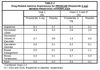
Finasteride, Minoxidil, Bioneer CosmeRNA, Technoderma, Kintor, Hope, Breezula, and Follicum treatments showed increases in hair count, with Technoderma showing the highest increase at 24.3 hairs/cm². Amplifica has not yet published results.
A user shared a 9-month update on hair loss treatment, reporting positive results from taking 1 mg of finasteride and 1.25 mg of minoxidil daily. The discussion includes varied experiences with these treatments, questions about side effects, and comments on the unpredictability of treatment effectiveness.
The user has been using Minoxidil for 3.5 months, Finasteride for 3 months, derma rolling twice a week, taking Saw Palmetto daily, and using Rosemary Shampoo to treat hair loss, and is happy with the progress despite some remaining hair loss at one temple. They encourage others to start treatment early if hair loss affects their confidence, and they use a 5% Minoxidil solution and take 2.5mg of Finasteride three times a week.
The conversation warns against buying RU58841 from Amazon due to concerns about product authenticity and recommends purchasing from trusted sources like Minoxidilmax and Anageninc.
A man, 26 years old, showed significant hair regrowth after 6 months using only Finasteride, with before and after photos for comparison. Many users expressed surprise at the effectiveness of Finasteride and some planned to start or had already started the treatment, while the original poster reported no side effects.
A 33-year-old male has been using finasteride, minoxidil, ketoconazole shampoo, and recently added dutasteride, a minoxidil+tretinoin+azelaic acid solution, and derma stamping to treat hair loss for 5 months. There is confusion about the order of progress pictures, making it difficult to assess the treatment's effectiveness.
The conversation is about the debate over the existence of Post-Finasteride Syndrome (PFS) and its symptoms, with some users skeptical about PFS and others discussing side effects like erectile dysfunction and gynecomastia from hair loss treatments like finasteride. Specific treatments mentioned include finasteride, viagra, and a joke about using a popsicle stick for erectile support.
The conversation is about seeking updates on new hair loss treatments, specifically mentioning scube3 and GT20029, with one person mentioning HMI_115 as showing promising results.
HMI 115 did not work as expected for hair regrowth in humans, unlike in macaque monkeys. There is anticipation for further research on prolactin's role in hair loss, with expectations that pharmaceutical companies will likely solve this before universities.
Hair loss can be influenced by chronic low-level allergies, and treatments like fexofenadine or topical cetirizine may help with regrowth. The user avoids finasteride, dutasteride, and minoxidil, and has tried Regenera Activa and PRF sessions.
The user is hesitant to use finasteride due to potential hormonal side effects and is waiting for the release of pyrilutamide, a new hair loss treatment. Other users suggest trying finasteride, warning about potential regret if hair loss progresses in the meantime.
The conversation discusses the potential benefits of sublingual minoxidil for hair loss treatment. It suggests that sublingual minoxidil, which bypasses the liver, may have fewer side effects, greater bioavailability, and could be more effective than oral minoxidil.
The user "Zealousideal-Pack340" shared their 5-month results on a natural hair loss treatment protocol, which included massages, vitamins, green tea, and pumpkin seeds. Some users suggested using medications like finasteride and minoxidil for better results, while others criticized the effectiveness of natural remedies. Overall, there was no clear consensus on the progress of the user's hair regrowth.
The conversation is about when GT20029, a hair loss treatment, might be available on the grey market, with users discussing the challenges of compounding it and speculating it might be available after phase 2 results, similar to pyri. Specific treatments mentioned are pyri, RU58841, and GT20029.
The conversation is about the possibility of obtaining Pyrilutamide, a hair loss treatment, once it becomes available in China, despite it not being approved by the US FDA yet. The user wants to use Pyrilutamide along with other treatments.
The post discusses frustration over the limited and not always effective treatments for hair loss, mainly Minoxidil and Finasteride. The conversation includes mentions of potential new treatments like GT20029, HMI-115, CosmeRNA, KX-826, and microneedling, but also highlights the challenges of funding and prioritizing research in this area.
User took 1mg oral finasteride daily and topical minoxidil twice a day for 6 months, showing hair growth progress. Others discussed dosage and shared positive feedback on results.