RU58841, a potential hair loss treatment, was not commercialized due to marketability issues and lack of long-term safety data. Concerns about its formulation and delivery methods further complicate its use.
Dutasteride takes 1-3 months to affect scalp DHT levels, not just a week. The prostate absorbs Dutasteride faster than the scalp due to different vascular networks and enzyme densities.
Oral minoxidil can cause serious heart issues like cardiac hypertrophy and arrhythmias, prompting some users to reduce dosage or switch to topical treatments. Despite significant hair regrowth, side effects such as shortness of breath and chest pains are common concerns.
Addressing hair loss by focusing on posture, blood flow, and craniofacial development. Methods include improving posture, cardiovascular activity, scalp massages, healthy diet, meditation, using minoxidil, and addressing craniofacial issues.
The user is considering switching from finasteride to dutasteride for hair loss treatment and is unsure when to stop finasteride. Dutasteride takes about 15 days to reach significant DHT suppression compared to finasteride.
Higher doses of dutasteride reduce scalp DHT more effectively than finasteride, but have diminishing returns after 3mg daily and may cause more side effects. Combining dutasteride with topical minoxidil can enhance results, but using both finasteride and dutasteride together is unnecessary.
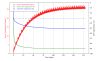
A Dutasteride Simulator predicts serum dutasteride, serum DHT, and scalp DHT levels using models from research papers. It simulates various dosing schedules to determine steady-state effects and visualizes outcomes, including hair growth-related scalp DHT suppression.
A dutasteride simulator predicts that daily 0.5 mg dosing results in higher DHT suppression compared to less frequent dosing. Twice-weekly dutasteride may be as effective as finasteride 5 mg, providing a balance between efficacy and ease of use.
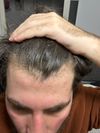
The user is experiencing continued hair loss despite using dutasteride and oral minoxidil, and is considering adding finasteride or adjusting their current treatment. They are seeking advice on whether to change their approach due to lack of improvement, especially at the temples and crown.
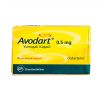
Dutasteride at 0.5mg blocks 50% of scalp DHT, while higher doses like 1mg and 2.5mg block more, with 2.5mg blocking up to 80%. Some users report better results with lower doses, and there's confusion about the effectiveness of different dosages on scalp versus serum DHT.
The conversation discusses the frustration over the unavailability of 2.5mg dutasteride soft gels, with some users suggesting higher doses for better scalp DHT suppression. Concerns about side effects and the necessity of DHT are debated, with some users advocating for alternative treatments like RU58841 and oral minoxidil.
A 22-year-old male experienced hair regrowth using an intermittent Dutasteride regimen, oral and topical Minoxidil, FolliHair AM/PM, and Salicia KT shampoo. He stopped Dutasteride due to side effects like dry eyes and skin, but noticed increased hair shedding after stopping.
The user is considering starting dutasteride (DUT) 0.5mg for hair loss due to lack of access to finasteride and is concerned about potential side effects. They seek guidance on whether to begin this treatment.
An 18-year-old is using a high-dose hair loss treatment regimen including finasteride, minoxidil, dutasteride, and plans to add RU58841 and bimatoprost, despite warnings from others about the risks. The user is determined to reverse hair loss but acknowledges the potential dangers and does not recommend others follow their approach.
The conversation discusses combining topical and oral finasteride to address hair thinning, with concerns about safety and effectiveness. Users also mention alternatives like dutasteride and minoxidil, and the potential risks of topical treatments during pregnancy.
A user reported significant hair improvement after one month of using dutasteride and oral minoxidil. Others expressed skepticism, attributing perceived changes to lighting and styling, and debated the effectiveness and risks of these treatments.
Some individuals do not respond to oral minoxidil for hair loss, despite it generally working by improving blood flow to hair follicles. Factors like metabolism, drug interactions, and individual variations in the drug's activation may influence its effectiveness.
The conversation discusses switching from finasteride to dutasteride for hair loss treatment, with mixed experiences regarding shedding and effectiveness. Some users also mention using minoxidil and RU58841 alongside these treatments.
Topical Finasteride doesn't directly reduce 5ar enzyme on scalp and has the same mechanism as oral, needing to go through the liver. Users debate the accuracy of this information and discuss various studies and experiences.
Bicalutamide blocks androgen receptors, preventing testosterone and DHT from binding, which can help with hair loss but may cause feminization. It is not recommended for those who do not want feminization effects.
Dutasteride and finasteride have similar risks of sexual dysfunction for treating androgenetic alopecia. Users experience varying side effects, indicating individual differences in drug reactions.
Topical finasteride is considered a safer option for hair regrowth with fewer systemic side effects compared to oral finasteride. Some users report similar efficacy and side effects between topical and oral treatments, while others prefer topical due to reduced systemic exposure.
CumShotDiva's update on using topical minoxidil orally in an attempt to regrow hair, which has been met with both support and criticism from other users. The conversation includes discussion of possible side effects and the efficacy of this approach.
A 24-year-old male has been using finasteride for 7 months and noticed thinning hair, especially when wet, and is concerned about the effectiveness of the treatment. Suggestions include continuing finasteride, considering minoxidil, and possibly trying micro-needling.
The user reports significant hair regrowth after 200 days using dutasteride and minoxidil, attributing changes to hair dye. Others doubt the authenticity and discuss treatment effectiveness and side effects.
Stopping hair loss treatments like finasteride and minoxidil can result in losing regrown hair, highlighting the importance of consistent use. Restarting these treatments may cause temporary shedding, but hair can regrow with continued use.
A user shared their five-year experience with finasteride for hair loss, noting positive results and no side effects. The discussion included debates on potential side effects like erectile dysfunction and the treatment's effectiveness.
Finasteride and dutasteride have potential risks, including post-finasteride syndrome, but are commonly used for hair loss. RU58841, minoxidil, and needling are suggested as alternatives, though all treatments carry risks.
Some users experience worsening hair loss with dutasteride, while others improve after initial shedding. Many switch back to finasteride due to better results or fewer side effects, often using minoxidil and topical treatments.
Creatine may worsen hair loss in some, especially with androgenic alopecia, but evidence is mixed. Some users experience no hair loss when using creatine with minoxidil and finasteride, while others notice increased shedding.