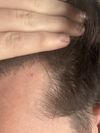
KY19382, a promising compound for hair loss, is not widely discussed or used. One user is currently testing it and plans to share results in a few weeks.
A user shared their 6-month progress using 1ml of Kirkland minoxidil daily and weekly 1mm dermarolling, noting no side effects and minimal shedding. They plan to consider finasteride or dutasteride after midterms, attributing hair loss to genetics.
A user shared their first-month progress using 0.25mg oral minoxidil and 0.5mg dutasteride daily for hair loss, noting some shedding and new hair growth without side effects. Another user mentioned experiencing intense shedding that decreased by week 6.
An 18-year-old shared his 3-month hair regrowth progress using Kirkland 5% topical minoxidil and a dermaroller, achieving a better hairline without finasteride. He plans to switch from liquid to foam minoxidil for easier styling and is cautious about starting finasteride due to potential hormonal effects.
Minoxidil gains are typically lost after stopping its use, but some suggest finasteride or dutasteride might help retain them, though results vary. Microneedling and low-level laser therapy are mentioned as alternative treatments, but minoxidil is noted for having a more significant impact.
A user is seeking hair loss treatments without using systemic DHT blockers like finasteride due to side effects. Suggestions include clascoterone (not FDA approved), pyrilutamide, RU58841, and low-dose topical finasteride, with a recommendation to consult a doctor.
The user reports worsening hairline after one month on 1mg finasteride and 2.5mg minoxidil. They are concerned about accelerated hair loss and seek advice.
The user has been using a combination of minoxidil and finasteride for six months, seeing initial improvement in hair thickness at the crown, but recently noticed a regression. It is suggested to continue the treatment for a few more months as fluctuations are common, and consider switching to dutasteride if no improvement occurs.
The user has been using topical finasteride and minoxidil for a month to address hair thinning. They are experiencing shedding but have noticed small hairs on their temples.
GHK-Cu is discussed as a potential hair loss treatment, with claims of promoting hair growth and possibly reversing gray hair, though strong clinical evidence is limited. The user also mentions using Minoxidil, red light therapy, and microneedling.
A user shared their positive experience with topical Minoxidil for hair regrowth, noting thicker and fuller hair without using Finasteride due to concerns about side effects. Many commenters advised adding Finasteride to maintain gains, warning that Minoxidil alone might not prevent future hair loss.
A 25-year-old male experienced significant hair regrowth over three months using 1mg finasteride, 2.5mg oral minoxidil, and 5% topical minoxidil, with minimal side effects. He noticed some regrowth on the sides and is regaining confidence.
A user is anxious about shedding after starting oral finasteride and topical minoxidil, noting about 250 hairs lost after washing. Responses suggest that shedding is common with these treatments, especially with curly hair, and that it often peaks around 8-10 weeks before improving.
PP405 may induce new hair growth but cannot revive completely dead follicles, and its effectiveness on hairlines is uncertain. It is expected to be available by mid-2028, but users are advised to manage expectations and consider using other treatments like minoxidil and finasteride.
The new formulation includes minoxidil, finasteride, redensyl, caffeine, and propacil, and removes alcohol. The user is concerned about potential hair shedding due to the change in ingredients.
Creatine may increase DHT levels, potentially causing hair loss in some people, though experiences vary. Treatments like finasteride or minoxidil are suggested to manage potential hair loss.
Follicium XR™ is a topical treatment for hair loss containing RU58841, AHK-Cu, GHK-Cu Peptide, caffeine, D-Biotin, methylene blue, keratin, and spermidine. RU58841 is considered the most effective ingredient, but concerns exist about its stability in water.
The user has been using Him's chewable finasteride (1.2mg) and minoxidil (3mg) for six months and has seen some hair regrowth but is considering switching to dutasteride. Others advise patience, suggesting that significant results often take 12 to 18 months, and recommend sticking with the current treatment longer before making changes.
A 23-year-old plans to use Minoxidil for 4 months, then add Finasteride to assess their effectiveness for hair loss. They will track progress with photos and consider switching treatments if results are unsatisfactory.
The user has been experiencing prolonged hair shedding despite using Dutasteride, Minoxidil, and topical Finasteride, with blood tests showing high free testosterone and low SHBG. Suggestions include adjusting Minoxidil dosage, considering topical anti-androgens like RU58841, and addressing metabolic factors to increase SHBG.
A 26-year-old is experiencing worsening hair thinning despite using dutasteride 0.5 mg and oral minoxidil 5 mg, alongside ketoconazole for seborrheic dermatitis. Users suggest patience, as results may take 12–18 months, and consider increasing the dutasteride dosage or consulting a dermatologist.
A 19-year-old male experienced side effects from finasteride and stopped using it, continuing with topical minoxidil. He plans to consult a dermatologist for further advice and is considering topical dutasteride as an alternative.
The conversation discusses experiences with NMN supplementation for hair growth, with some users reporting increased hair growth activity and others seeing no significant changes. OP has been using dutasteride and oral minoxidil, and recently added NMN, noticing increased shedding, which they hope indicates new hair growth.
A 20-year-old using 1 mg finasteride, 2 ml topical minoxidil, tretinoin, and microneedling for hair loss shows progress after three months, with thicker hair and temple regrowth. No side effects reported, and the user is considering switching to oral minoxidil.
Clascoterone is seen as a promising topical treatment for hair loss, similar to finasteride but without side effects, though concerns exist about its long-term effectiveness. Other treatments discussed include topical minoxidil, ketoconazole, microneedling, and oral options like dutasteride and minoxidil.
A 23-year-old male shares his 136-day progress using a hair loss treatment regimen of daily Dutasteride 0.5mg, topical Minoxidil 5% with Tretinoin, and Nizoral every other day, reporting no side effects and significant hair regrowth. He notes high energy and libido, with no shedding, and attributes most progress to Dutasteride.
The user has been taking finasteride and biotin for 80 days and is considering starting minoxidil after six months. Opinions vary, with some suggesting starting minoxidil immediately for better results, while others advise patience with finasteride.
A 22-year-old male experiencing diffuse thinning started finasteride and 2% minoxidil 8 months ago, then switched to 5% minoxidil with tretinoin 4 months ago. Despite initial improvement in hair density, he is now experiencing increased hair shedding, losing 100-200 hairs daily.
A user created a tracker for hair loss treatments in clinical development, including compounds like Dermaliq, RU58841, and Pyrilutamide. The tracker updates with new information and allows filtering by conditions like androgenetic alopecia (AGA) and alopecia areata (AA).
A user has been taking finasteride 1mg for 10 years without side effects but is concerned about high estradiol levels affecting weight loss. Another user suggests using estradiol blockers under medical supervision to manage the levels.