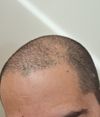
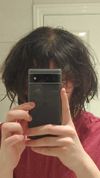
A 23-year-old Italian man in Switzerland is experiencing hair loss and cannot get a prescription for Finasteride, only Minoxidil. He seeks advice on obtaining Finasteride through online pharmacies or by consulting different doctors.
The user experienced hair thickening after two years of using finasteride and minoxidil, despite having a stubborn thin crown. They plan to try microneedling to potentially improve results further.
A user's update on their hair loss treatments, which included Minoxidil and finasteride; they are experiencing reduced shedding with minimal side effects. Other users provided additional advice to the poster based on their own experiences.
User shared 4.5-month hair loss treatment results using Fin, Minoxidil, and microneedling. Others discussed postponing hair transplant and adjusting microneedling depth.
The conversation discusses the use of Finastopic, a carrier for finasteride solutions by Isdin, and compares it to a standard propylene glycol (PG) solution. The user was prescribed a 1% finasteride solution using Finastopic and has been using a self-compounded 0.025% topical finasteride with minoxidil.
The user is considering a hair transplant to increase hair density after using finasteride and minoxidil for two years. They prefer a natural hairline and are unsure if a transplant is suitable for overall thinning.
The user is experiencing hair improvement in the central and back areas after using finasteride, minoxidil, and a galenic lotion, but the temple area is worsening. They suspect the lotion might be causing the issue and are considering stopping its use.
The user reported significant hair regrowth and stopped hair loss after using Pyrilutamide and Minoxidil for four months. They found Pyrilutamide effective in blocking DHT locally without side effects, preferring a gray market version over Koshine's product.
Two Chinese suppliers provided legitimate RU58841, confirmed through a free drug testing service. The vendors were Shaanxi Greenyo Biotech and Lyphar, found on Made-in-China.
The user has been using 1MG finasteride, 5% minoxidil, LLLT, and derma stamping for a year to improve hair density for a potential transplant. They are considering switching to dutasteride and are unsure whether to proceed with a transplant now or wait for more growth.
A 43-year-old male has been using oral minoxidil, finasteride, and dutasteride for hair loss, with some stabilization and thin hair growth but no significant cosmetic improvement. He is considering increasing microneedling frequency and exploring other options, as he is concerned about the lack of terminal hair growth.
A user's six month progress with Pyrilutamide, a hair loss treatment; they experienced positive results such as stopped itching and shedding, as well as regrowth, without any side effects.
The user is experiencing hair loss despite using finasteride, minoxidil, and needling since March. They suspect needling too deeply might be an issue and have adjusted the depth recently.
A new hair loss treatment, Pyrilutamide, has been released and is claimed to be a strong anti-androgen, potentially effective when used with finasteride. However, there are mixed opinions on its effectiveness and safety, with some users skeptical and others purchasing it.
A group buy for products to treat hair loss, such as Minoxidil, Finasteride and RU58841. Participants are interested in adding more people before ordering the next order.
The conversation discusses using topical melatonin for diffuse thinning and mentions treatments like Minoxidil, finasteride, and RU58841. The user is seeking advice on whether melatonin could help with their condition.
The user has been using finasteride and minoxidil for 11 months but experienced hair thinning after adding topical dutasteride. They plan to continue with Lipogaine, finasteride, and a reduced frequency of topical dutasteride, along with dermarolling and biotin.
A user's progress with hair loss treatment using finasteride and minoxidil, with additional advice from other users about the use of dutasteride, LLLT (irestore hat), and Dr pen microneedling.
The user has been experiencing continuous hair loss despite using finasteride, minoxidil, and dermastamping. They are seeking advice on what to do next.
A user mixed a pyrilutamide solution and noticed undissolved powder at the bottom, questioning if this is normal and how long to wait before applying it. They wished others good luck with their treatments.
Theaflavin, a black tea extract, may inhibit DHT and androgen receptor activity, but its effectiveness for hair loss is debated. Users report no significant improvement with theaflavin, while some find beta sitosterol helpful.
The user experienced good hair regrowth over three months using a daily topical spray of 0.3% finasteride and 6% minoxidil on the hairline, with no significant side effects. The brand used was Hims.
Kopexil (Aminexil) is not approved as a drug in the US and Europe because it is marketed as a cosmetic, which requires less testing and regulation. L'Oreal's 1.5% Aminexil is noted to reduce hair shedding, but its efficacy as a drug is not proven.
The conversation discusses a user's two-year hair regrowth progress using finasteride, minoxidil, and microneedling. One user asks for a timeline of progress, another comments on hair length, and the original poster mentions using microneedling sporadically.
The conversation discusses affordable low-level light therapy (LLLT) products for hair loss, with users debating the effectiveness of red LEDs versus lasers. The original poster is already using finasteride, minoxidil, ketoconazole, and microneedling, and is seeking budget-friendly LLLT options to add to their regimen.
Hair looks thinner in sunlight, and users discuss using hair fibers, minoxidil, finasteride, and considering dutasteride for hair loss. Hair fibers like Toppik help conceal thinning, and some users suggest additional treatments like derma stamping and micro-needling.
The user cannot tolerate oral finasteride and is considering topical finasteride, minoxidil, microneedling, and RU58841 as alternative treatments for hair loss. They seek advice on whether these options are worth trying.