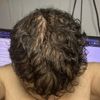
Alternating between finasteride and dutasteride is being considered due to cost concerns. The user is worried about losing progress if switching entirely to dutasteride.
Switching finasteride brands from Teva to Proscar led to hair and skin issues, suggesting possible differences in effectiveness or quality. Users recommend returning to the original brand that worked well.
The user experienced male pattern baldness starting at 18, tried finasteride with no success, and switched to dutasteride, which halted hair loss. Minoxidil had no effect for them, while their brother, who didn't use AR inhibitors, maintained a juvenile hairline and successfully grew a beard with minoxidil, highlighting the unpredictable nature of genetics in hair loss and treatment response.
PTD-DBM is being explored for hair regrowth by targeting CXXC5, with clinical trials expected after pre-clinical studies. Users express anticipation and skepticism about its effectiveness.
The user switched from finasteride to dutasteride for hair loss treatment and is experiencing shedding after 4 months. Another person suggests that this is not unusual and recommends giving it more time.
The user has been using 5% minoxidil and finasteride for a year and recently noticed three new hairs, but other baby hairs aren't growing. They are considering switching to only minoxidil.
Switching from finasteride to dutasteride can cause initial shedding, but many see long-term hair regrowth and stabilization. Responses vary, with some experiencing fewer side effects and others finding it less effective.
The conversation discusses concerns about potential cognitive and emotional effects of finasteride, with the original poster planning to monitor their cognitive performance while using the treatment. A user responds that most people do not experience cognitive shifts, though some report subtle changes.
The user experienced mental side effects from both oral and topical finasteride and is considering trying dutasteride or liposomal topical finasteride. They are concerned about potential worsening of hair loss if they quit dutasteride.
A breakthrough in hair follicle cultivation using induced pluripotent stem cells (iPSCs) has been achieved, producing large hair follicles suitable for transplantation. Clinical trials for this hair multiplication technology are planned in partnership with Yinguan Biotechnology.
The conversation is about a user switching from finasteride to dutasteride after 4 years due to continued hair recession and miniaturization. The user plans to gradually increase to 1mg of dutasteride daily.
The user switched from finasteride to dutasteride three months ago and experienced noticeable hair regrowth without side effects. They did not use minoxidil and made the switch to dutasteride abruptly.
The user switched from finasteride to dutasteride and oral minoxidil, experiencing better hair maintenance and some regrowth. They also addressed vitamin deficiencies, which may have contributed to their progress.
The user switched from finasteride to dutasteride and experienced heavy hair shedding around six months in, affecting even transplanted hair. They are seeking others' experiences with similar shedding after switching medications.
The conversation discusses various theories of hair loss, including DHT sensitivity and genetic factors, with the user willing to use themselves for research due to having a hair loss gene but different hair loss patterns compared to their brothers. Specific treatments were not mentioned in the provided text.
The user transitioned from finasteride to Cyproterone and started using Minoxidil, resulting in healthier hair and regrowth. They plan to wean off Minoxidil in a year, depending on regrowth.
Switching from topical to oral minoxidil can cause initial hair shedding but may lead to thicker hair growth. Many users combine it with finasteride, experiencing varying side effects.
Male pattern baldness (MPB) may be an early warning sign for type 2 diabetes due to its association with insulin resistance. Treatments discussed include testosterone therapy and finasteride, which affects hormone levels related to hair loss and insulin sensitivity.
The user is considering switching between topical minoxidil (10%) and oral minoxidil (2.5mg) to manage hair shedding around the temples, while also using a dermaroller and biotin. They are concerned about the potential side effects of oral minoxidil, such as hypertrichosis, and the impact on hair shedding if they stop using it.
The user has been taking finasteride for nearly 5 years and is now adding dutasteride to their regimen to maintain hair loss prevention. They seek advice on transitioning from finasteride to dutasteride.
The user switched from finasteride to dutasteride for hair loss treatment, but experienced increased libido, itchy scalp, and accelerated hair loss. Another user suggested that genetic variations might cause dutasteride to be less effective and recommended checking for specific genetic markers.
The user switched to dutasteride and saw palmetto, along with a topical mix of minoxidil and finasteride, due to continued hair shedding. They hope for improvement despite concerns about saw palmetto's effectiveness.
The conversation discusses the slow transition from baby hair to normal hair while using finasteride and transitioning to dutasteride, with progress except for the crown area. It's mentioned that hair thickening can take years, with each growth cycle potentially making the hair thicker, and this process can span over 6 months or more.
The conversation discusses how different factors can stimulate type 1 and type 2 isoforms of 5-alpha reductase, which are enzymes linked to hair loss. Specific treatments mentioned include oral Dutasteride and topical Finasteride.
The user has been using oral finasteride for 15 years and is considering switching to a finasteride/minoxidil spray due to concerns about potential side effects like depression. They are seeking advice on whether to continue with both treatments or switch exclusively to the spray.
A 30-year-old is considering switching from a topical Minoxidil/Finasteride treatment to oral Minoxidil due to cost and insurance coverage. They seek advice on potential effects and experiences from others who have made a similar switch.
The user discusses switching from multiple vitamins to a single multivitamin pill. They also mention using oral finasteride and topical minoxidil with finasteride for hair loss treatment.