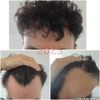
The conversation discusses the effects of Pyrilutamide on hair growth after two months, with one person noting that while new hair regrowth isn't apparent, existing hair appears longer and thicker.
A 25-year-old male experienced hair regrowth after 4.5 months using a chewable treatment with 1mg finasteride, 6% minoxidil, and 2.5mg biotin, despite initial shedding and acne from accutane. Opinions on progress vary, with some noticing thicker hair and others seeing no difference or thinning.
A user shared a 5-month progress picture showing hair regrowth from taking 1mg of finasteride daily. Another user reported significant hair regrowth and no side effects after 12 years on finasteride.
Some individuals do not respond to oral minoxidil for hair loss, despite it generally working by improving blood flow to hair follicles. Factors like metabolism, drug interactions, and individual variations in the drug's activation may influence its effectiveness.
The user experienced hair regrowth and darker hair using finasteride daily, minoxidil nightly, and occasional dermarolling. They noticed significant progress, especially in hair density, and are considering increasing minoxidil use despite itchiness from wearing a hat.
RU58841 helped regrow hairline without side effects for a bodybuilder using PEDs. The treatment included RU58841, finasteride, minoxidil, GKH-Cu, microneedling, and HGH.
User reports five months progress on finasteride and oral minoxidil, with thicker hair and no visible scalp. Started at 2.50mg and increased to 10mg without side effects.
The conversation discusses the appearance and testing of RU58841 powder for hair loss treatment. Users also mention side effects of RU58841 and suggest alternatives like dutasteride and minoxidil.
The user experienced improved hair at 6 months using 0.5 mg finasteride daily but noticed more scalp visibility and potential hair loss at 13 months, questioning if this was due to shedding or the treatment not working. Some respondents suggested the possibility of a shed or scalp inflammation, while others observed improvements or advised checking for underlying scalp conditions.
An 18-year-old male is experiencing significant hair shedding, particularly from the back of his head, despite normal blood test results except for slightly low vitamin D. A dermatologist prescribed minoxidil for receding temples, but the cause of the shedding remains unclear.
The user experienced significant hair regrowth after switching from topical minoxidil to oral minoxidil and finasteride, later transitioning to dutasteride and continuing with oral minoxidil. They reported no side effects and are optimistic about further improvements.
Combining Minoxidil with peptide serums like Redensyl, Procapil, and Capixyl is more effective for hair growth than using Minoxidil alone, increasing hair density and thickness. However, some users are skeptical about the effectiveness of peptides, suggesting other ingredients or factors might contribute to the results.
A user shared their positive experience with hair regrowth using topical finasteride and minoxidil, despite initial side effects. They are transitioning to oral finasteride and minoxidil for convenience and are optimistic about continued progress.
Most people using finasteride, minoxidil, or dutasteride for hair loss experience maintenance or regrowth, but they often don't discuss it publicly. Online forums may not accurately represent the typical success rates, as satisfied users rarely share their positive outcomes.
A 28-year-old male with a family history of baldness is deciding whether to start finasteride now or wait for visible hair changes. He is considering starting finasteride immediately to proactively address potential hair loss.
The user has been using topical minoxidil with tretinoin for 9 months without much regrowth and suspects finasteride is responsible for any improvement. They are inquiring about tests to determine response to topical minoxidil and seeking advice on switching to oral minoxidil, including potential side effects and monitoring requirements.
The conversation is about personal experiences with Anagenic Pyrilutamid for hair loss and what carriers people use with it. No specific treatments or outcomes are mentioned.
A 19-year-old male shared his 10-month progress using finasteride, starting at 0.25mg and increasing to 1.25mg daily, noting new hair growth at the temples. He experienced a significant shed at 6 months but reported no side effects from increasing the dosage.
The conversation is about a 29-year-old man's progress with hair loss treatment over a year using oral finasteride, topical minoxidil, and dermarolling, which has led to improved hair coverage and increased confidence. Users are encouraging and asking about the timeline of noticeable improvements.
The user reported noticeable hair improvement after nearly two months using topical minoxidil twice daily, finasteride 1mg daily, and weekly microneedling, along with lifestyle changes like reducing alcohol consumption. They experienced minimal shedding and no significant side effects from finasteride.
The user experienced initial improvement in hair loss with oral finasteride and minoxidil but later faced increased shedding and thinning. They switched to dutasteride, hoping for better results, while continuing topical minoxidil.
User TopBack56 and friends tried pyrilutamide (KX-826) for hair loss without experiencing negative side effects. They observed fine vellus hairs but no thick hair growth yet, and plan to add GT20029 to their regime after safety trials.
Minoxidil may cause wrinkles and dark circles, which some users report can be mitigated by adjusting dosage. Reactions vary, and while some dismiss these side effects, others experience significant changes.
The user experienced noticeable hair regrowth using a Hims minoxidil and finasteride topical solution. Many commenters noted significant progress and congratulated the user.
The conversation is about the effectiveness of Stemoxydine for hair loss. The user reports reduced hair shedding after one week but also a more noticeably thinned scalp.
User used sublingual minoxidil for 5 months and saw progress. Also used topical dutasteride, alfatradiol, tretinoin, and reduced oral finasteride dose.
A 17-year-old is using topical finasteride and minoxidil for hair regrowth. The effectiveness of these treatments is discussed, with some users noting progress and others suggesting more time is needed for significant results.
PP405 shows promise as a hair loss treatment, with 31% experiencing increased hair density in a short trial. It may complement treatments like finasteride and minoxidil, but long-term effectiveness and safety need confirmation.
The conversation is about a user questioning if they have experienced hair regrowth after using topical minoxidil and oral finasteride for 2 months and 2 weeks, with mixed opinions on whether the perceived changes are due to lighting or actual regrowth. Most users suggest that noticeable regrowth typically takes 6-12 months, and the differences in photos may be due to lighting and hair styling.