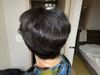
The conversation discusses hair thinning and treatments like Minoxidil, finasteride, and RU58841. The user is concerned about distinguishing between natural hair parting and actual thinning.
Hope Medicine received a $28M investment for HMI-115, a monoclonal antibody in phase II trials for treating androgenetic alopecia. Some users are skeptical about its effectiveness, while others find the investment and trial results encouraging.
PP405 from Everychem is likely fake and potentially harmful, with concerns about its stability and the risk of using the wrong MPC inhibitor, which could damage hair follicles. The real PP405 was studied under strict conditions, and DIY attempts are discouraged due to unknown formulation and quality control.
Dutasteride is associated with increased blood glucose, HbA1c, LDL cholesterol, and liver enzyme activity, potentially leading to diabetes, NAFLD, and liver metabolism changes. The conversation highlights concerns about these adverse effects and calls for more studies, including on finasteride.
A 20-year-old discusses family denial about his hair loss, diagnosed with seborrheic dermatitis, folliculitis, and male pattern baldness. He is prescribed Dutasteride and oral Minoxidil for treatment.
High-dose Lysine and Histidine supplements caused curly/kinky hair and shedding due to Elastin dysfunction. Minoxidil, white tea, and dark grape juice were mentioned as treatments to inhibit Elastase and mimic Lysyl Oxidase.
The user is experiencing negative side effects from a hair loss treatment containing finasteride and minoxidil due to high vitamin B6 content and plans to switch to separate pills without unnecessary vitamins. Another user suggests using a version without B6, noting similar symptoms from finasteride.
The conversation is about the effectiveness of hair loss treatments, specifically finasteride and dutasteride, in different populations. Some users believe that the results of Japanese studies may not be relevant to Caucasian men, especially young ones, and that East Asians may respond better to these treatments. Others argue that clinical studies should be the basis for decision-making, while acknowledging that individual responses to medications can vary.
Stopping finasteride may reduce water retention or alter fat distribution, leading to a leaner face. Hormonal changes, like reduced DHT or increased estrogen, could cause these effects.
The conversation discusses the failure of Phase 3 trials for the hair loss treatment KX-826, with no significant difference found between the drug and placebo. Some users express disappointment and skepticism, while others discuss alternative treatments like Minoxidil, finasteride, and RU58841.
The conversation discusses androgenetic alopecia (AGA) and questions why treatments focus on lowering DHT levels instead of building resistance to it. It also touches on hair transplantation techniques using body hair.
A user shared their successful experience with hair regrowth and transitioning from male to female using minoxidil, finasteride, Nutrafol, microneedling, and hormone replacement therapy (HRT). They expressed gratitude for the results and encouraged others to explore treatments that align with their personal goals.
Hair loss progress pictures can be misleading due to differences in lighting, hair length, and wetness, making it hard to accurately assess changes. Treatments mentioned include minoxidil and finasteride, with some users expressing skepticism about their effectiveness.
A 26-year-old male with high testosterone is experiencing diffuse hair thinning despite using a comprehensive treatment regimen including dutasteride, oral minoxidil, RU58841, ketoconazole shampoo, microneedling, and low-level laser therapy. Suggestions include adjusting dutasteride dosage, monitoring iron levels, and consulting a dermatologist for further evaluation.
Hair loss sufferers becoming hyper aware of shedding, and the various treatments available for reducing shedding. The conversation also discussed differentiating between shedding and balding, as well as the potential side effects from using certain treatments.
A 19-year-old female is experiencing significant hair loss, with symptoms including alternating hair colors and thinning body hair. She seeks advice on coping and potential treatments, with suggestions to consult a dermatologist and check thyroid and hormone levels.
Hair cell therapy and follicle cloning are still in experimental stages, with treatments like hair multiplication and regenerative hair therapy being marketed but not yet proven to create unlimited new follicles. There is skepticism about the effectiveness and legitimacy of these treatments, with some considering them scams.
HMI 115 did not work as expected for hair regrowth in humans, unlike in macaque monkeys. There is anticipation for further research on prolactin's role in hair loss, with expectations that pharmaceutical companies will likely solve this before universities.
Dutasteride and finasteride have similar risk profiles despite Dutasteride blocking more types of 5AR in the brain. Some users report no mood issues with either drug, and it is suggested that Dutasteride's larger molecular size may limit its ability to cross the blood-brain barrier.
A user named "EgyptStar81" who has been dealing with hair loss since age 15 due to genetics, chemotherapy and finasteride/minoxidil treatment. Possible solutions such as dutasteride, oral minoxidil, hair transplants and extensions were suggested.
Folligenz liposomal minoxidil sulfate is being discussed for its effectiveness and cost, with users comparing it to regular minoxidil and tretinoin. One user found no difference with the 10% version and noted that a lower tretinoin percentage reduced side effects like skin peeling.
The conversation discusses the safety study of PP405, emphasizing that early trials focus on safety rather than efficacy, and that any efficacy data from such a short study should be viewed skeptically. It also highlights that the information released is primarily for securing funding, and that meaningful efficacy results are expected in later phases.
Prolactin and cortisol are identified as key factors in hair loss, with stress hormones impacting hair shedding. Finasteride and minoxidil are effective treatments, while DHT's role and individual sensitivity are significant factors.
An 18/19-year-old male started balding at 16 and initially saw hair growth with minoxidil, but results diminished over time. He switched dermatologists and is now using a regimen of topical finasteride, minoxidil, vitamin D, and supplements, hoping for better results.
The conversation is about hair loss treatments, specifically discussing the use of dutasteride, minoxidil, and the potential benefits of a DNA test and PRP therapy. Opinions vary, with some users skeptical about the DNA test and PRP, suggesting sticking with current treatments.
People are discussing their experiences with kx-826 (pyrilutamide) for hair loss, using concentrations of 0.5% and 0.9%. They are sharing personal results and progress with this treatment.
A 21-year-old male with a thyroid condition noticed his hair thinning uniformly without a receding hairline. He is considering using a 5ARI to prevent further baldness if he starts TRT.
The user is observing potential hair regrowth at day 46 using 1mg oral finasteride, 2.5mg oral minoxidil, 5% topical minoxidil, biotin, vitamin D, fish oil, and weekly dermal rolling. They are optimistic about the results despite skepticism from others.
The user is seeking opinions on whether their hairline changes indicate regrowth or hair loss, using treatments like Rogaine, finasteride, microneedling, and Nizoral. They mention inconsistent finasteride use, scalp massages, and lifestyle factors like caffeine, nicotine, stress, and high sugar intake.
The individual is experiencing hair thinning primarily at the front/middle of their scalp and is seeking to identify the type of hair loss they have. They already use treatments like oral Minoxidil, topical Finasteride, Tretinoin gel, dermarolling, and various oils and shampoos.