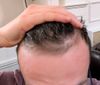
Treating hair loss with finasteride, dutasteride and minoxidil, as well as micro-needling, potentially using research chemicals such as Pyril and Senzu Beans.
A 17-year-old is considering finasteride for hair loss but is advised to wait due to potential hormonal effects at a young age. Alternatives like minoxidil, micro-needling, vitamins, and lifestyle changes are suggested instead.
Exploring potential treatments for hair loss, such as Minoxidil, Finasteride, RU58841 and Pyrilutamide. The user is looking for feedback on whether KX-826 can be used successfully as a single therapy to stop the miniaturization process.
Minoxidil and finasteride are being considered for hair loss due to seborrheic dermatitis and male pattern baldness. The user is also using ketoconazole and zinc pyrithione shampoo.
The conversation discusses potential hair loss treatments, including Setipiprant, Bimatoprost, and Follicept. The user encourages signing up for Follicept, which may come to market soon.
The user underwent a biopsy two years ago and was diagnosed with keratosis pilaris, leading to hair issues. They tried treatments including Minoxidil, betamethasone, lymecycline, topical Accutane, and dutasteride, as well as diet changes, without improvement in hair thickness or skin dryness.
Temporal peaks are crucial for a natural-looking hair transplant, but they are challenging to achieve due to the need for precise angles and appropriate hair thickness. Many users emphasize the importance of finding a skilled surgeon and using finasteride to maintain hairline stability.
A 23-year-old with high estrogen levels is considering starting finasteride for hair loss and plans to use a low dose topical treatment while also seeking to lower estrogen levels. They will consult an endocrinologist for further guidance.
A 43-year-old male with advanced hair loss is experimenting with alternative treatments, including red light therapy, microneedling, scalp massages, an oil mix, and ketoconazole shampoo, after previously experiencing side effects from finasteride and minoxidil. He noticed some minor changes with red light therapy but remains skeptical about significant improvement.
A 43-year-old male has been using oral minoxidil, finasteride, and dutasteride for hair loss, with some stabilization and thin hair growth but no significant cosmetic improvement. He is considering increasing microneedling frequency and exploring other options, as he is concerned about the lack of terminal hair growth.
HairClone is offering a Dermal Papilla Cell Hair Multiplication procedure in Guatemala, raising questions about its effectiveness and regulatory reasons for the location. Users express skepticism and curiosity about the treatment's success and potential costs.
The user started using finasteride at age 23, stopped at 30 to start a family, and resumed at 39 with minoxidil, seeing positive results both times. They successfully had four children after stopping finasteride, noting changes in sperm quality and some side effects upon resuming the medication.
The user is using Minoxidil, Finasteride, Nizoral, Nutrafol supplements, and PRP sessions for hair loss treatment. They are concerned about the effectiveness of these treatments and whether they should continue or consider a hair transplant.
A user is participating in a phase 3 trial for Clascoterone, a topical acne medication that may stimulate hair growth, and will share results after 6 months. They will have a section of their hair shaved and marked with a tattoo for the study.
The conversation is about dealing with hair loss and exploring treatments like HRT, Minoxidil, and micro-needling. The user is considering wigs and possibly a hair transplant while expressing feelings of self-doubt and seeking support.
The FDA policy change may speed up approval for hair loss drugs like PP405, VDPHL-01, and Breezula by potentially eliminating the need for a second confirmatory Phase 3 trial. Approval timelines could be as early as 2028 for some treatments if Phase 3 results are strong.
PP405 shows promise for reactivating hair follicles, with potential maintenance using 5AR inhibitors. Current treatments like Minoxidil and finasteride are effective but have limitations, and there is hope for more effective solutions in the future.
A user shared their positive experience with Trichogenics for hair restoration, highlighting their unique zigzag hairline technique and personalized attention. They had 1700 follicles transplanted and praised the natural results.
Osteopontin, a protein involved in hair growth on moles, may help with hair loss. However, it is also linked to Alzheimer's, cancer, and bone development, so caution is advised.
A 27-year-old is experiencing hair thinning and receding, currently using finasteride and planning to start minoxidil. They seek advice on hairline treatment options, including styling, PRP, peptides, and micro-needling.
The conversation discusses the potential of a new hair loss treatment, GT20029, which may prevent hair loss by destroying androgen receptors on the scalp. Users express hope for the treatment's success and speculate on its usage routine, effectiveness, and possible side effects.
Aminexil, nanoxidil, stemoxydine, and kopexil are discussed as alternatives to minoxidil for hair growth, with concerns about dependence. Minoxidil is noted for its effectiveness in transitioning hair growth phases, but dependence is mainly linked to androgenic alopecia.
A 19-year-old male has been using topical finasteride and minoxidil for 8 months with no progress and is considering seeking a second opinion due to potential misdiagnosis. The discussion revolves around whether the hair loss is due to male pattern baldness, alopecia areata, or a vitamin deficiency.
PP405 shows significantly better early-stage hair regrowth results compared to minoxidil and finasteride, with 31% of users experiencing over 20% density increase in 4–8 weeks. Minoxidil and finasteride show minimal or no visible regrowth in the same timeframe.
The trial for TDM-105795 has been completed, and it was in phase 2A. The discussion seeks input on the next phases, 2B or 3, based on safety and efficacy.
User experienced feminizing side effects from finasteride and tried RU, alfatradiol, and finasteride without success. They are now considering treatments like Stemoxydine, Zix, Minoxidil, Dermarolling, Eucapil, and a hair transplant.
A user from China is participating in a clinical trial for Pyrilutamid, a potential hair loss treatment originally developed for prostate cancer. They've experienced no side effects except initial scalp itchiness, and will share results after the year-long trial.
Finasteride and Nizoral shampoo with Ketoconazole are used for hair loss treatment. Liquid Chromatography–Mass Spectrometry (LC-MS) is recommended over Enzyme-Linked Immunosorbent Assay (ELISA) for more accurate DHT testing.
A user shared their baseline bloodwork results before starting Finasteride 1mg every other day, seeking comparison with others who have done similar tests. They are interested in any changes observed after beginning the treatment.