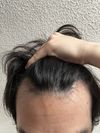
A new hair loss treatment called TDM-105795 is discussed as a potential replacement or add-on to Minoxidil. Users express hope for new effective treatments.
A peptide from Japanese water chestnut fruit may help with hair loss by suppressing DHT's effect on hair follicle cell death, potentially serving as a finasteride alternative. The treatment's effectiveness and safety in humans remain uncertain.
PP405 is a new drug in Phase 2 trials for hair loss, generating cautious optimism among users. Some users are currently using finasteride and experiencing side effects, while others are skeptical about unapproved products being sold.
Pelage Pharmaceuticals raised $120M for their hair loss treatment, PP405, showing strong investor confidence despite limited data. There is skepticism about its efficacy and long-term effects compared to treatments like GT20029.
Melatonin is being considered as a potential treatment for androgenic alopecia, with some users discussing its effects and combining it with other treatments like minoxidil and finasteride. Concerns about melatonin's impact on hormones and side effects from other treatments like ketoconazole were also discussed.
A user in their early 20s is concerned about minor hair thinning and is considering a hair loss regimen involving PRP sessions, mesotherapy with dutasteride injections, and low-dose finasteride. They dislike minoxidil due to its greasiness and prefer a routine that is easy to maintain.
Increasing the sult1a1 enzyme on the scalp may improve response to topical minoxidil. The user suggests using a baking soda solution, DMSO, and tretinoin to enhance enzyme activity and minoxidil effectiveness.
Researching the release of phase 2 trials for pyrilutamide, a potential hair loss treatment, and discussing other treatments such as Minoxidil, Finasteride, and RU58841.
Finasteride significantly lowers allopregnanolone levels, while dutasteride's effect is less clear and may vary. Some users speculate that dutasteride might be healthier for the brain due to its different inhibition pathways.
A user's successful hair regrowth journey using a cocktail of finasteride, minoxidil, and ketoconazole. The user started seeing noticeable results after 8 months and also incorporated saw palmetto, biotin, keratin, and dermarolling into their routine.
Chinese company gets green light for Pyrilutamide Phase II trial for androgenetic alopecia. Androgen receptors downregulate in androgen deficient environments.
The user experienced side effects from daily 1 mg Finasteride and switched to 0.5 mg every other day, supplemented with creatine, tongkat ali, tribulus terrestris, vitamin D3, bromantane, l-tyrosine, and caffeine. They also use weekly 1.5 mm microneedling and daily 50 mg RU58841, except on microneedling days, to manage hair loss.
The user has not seen results from various hair loss treatments including finasteride, dutasteride, minoxidil, and others over several years and is considering adding RU58841 and starting hormone replacement therapy. They are also experiencing anxiety and contemplating moving to a more accepting environment for their nonbinary identity.
PP405 shows promise in stimulating new terminal hair growth by activating dormant follicles, with no systemic adverse effects observed in a short-term trial. However, long-term efficacy remains unproven, and further trials are needed to confirm its potential as a hair loss treatment.
The potential of using a specific antibody, HMI-115, as a treatment for hair loss alongside traditional treatments such as minoxidil and finasteride. The user suggests trying either a 240 mg or 30 mg dose to see if it works.
Finasteride can effectively slow or halt hair loss, even for those genetically predisposed to significant balding, like Norwood 6 or 7. Many users report long-term maintenance or improvement, often combining it with other treatments like Dutasteride or Minoxidil for better results.
Finasteride and Dutasteride do not cause depression or "Post Finasteride Syndrome," with concerns often linked to the nocebo effect and preexisting mental health issues. The EU is unlikely to ban these drugs, but access may become more restricted due to ongoing debates.
PP405 is considered a potential new treatment for hair loss, compared to finasteride and minoxidil. There is skepticism about its effectiveness in humans, with anticipation for more information from an upcoming conference.
The conversation discusses the potential use of verteporfin for hair loss treatment, with one user mentioning their surgeon's interest in trying it and another noting its research status and clinical use as a YAP inhibitor. Some users debate the market size, availability of generics, and the optimism in the hair loss community regarding new treatments.
A 16-year-old is experiencing hair loss and is using minoxidil, finasteride, and plans to add RU58841, while considering other treatments like MK-677 and microneedling. Concerns are raised about the potential impact of these treatments on puberty and development.
A user is concerned about hair loss in the temple area despite using Minoxidil and finasteride for 10 months and is curious if PP405 can help. Responses indicate uncertainty about PP405's effectiveness, with some optimism about future treatments and AI speeding up drug discovery, but emphasize waiting for clinical trial results.
Hair loss discussion includes potential HMI-115 treatment. Topical mucuna pruriens shows good results, blocking prolactin possibly more important than blocking DHT.
The user is experiencing erectile dysfunction and emotional numbness, possibly due to using Dutasteride for hair loss, and is considering switching back to Finasteride. They are seeking advice on whether this change might resolve their symptoms.
The conversation discusses the delay in the PP405 Phase 2 study results, now expected by the end of 2025, and skepticism about research practices. There is also mention of optimism for Amplifica's AMP303 and a topical treatment in early testing.
The conversation discusses the use of ethanol and propylene glycol (PG) in topical solutions for hair loss treatments, specifically Minoxidil. The user dislikes the texture of PG and questions the ideal ratio and necessity of PG in these solutions.
User experienced hair loss since 16, used Fin, Minox, and Nizoral with success but stopped due to side effects. Now using Pur D'or shampoo, Rogaine foam, scalp massages, volumizing spray, and dermarolling for hair maintenance.
A user is considering switching from oral to topical finasteride to reduce systemic DHT impact and is exploring ethossomal finasteride for better skin penetration and potential hair regrowth. They found ethossomal finasteride in Brazil and are seeking opinions on its effectiveness compared to other topical delivery methods.
A 23-year-old man shared his 4-month hair regrowth progress using 1mg oral finasteride daily, 5% minoxidil with finasteride topical twice a day, multivitamins, microneedling, head massages, and ketoconazole shampoo. He's unsure of his current Norwood scale classification and is asking for help to determine it, with suggestions ranging from NW4 to NW4.5.