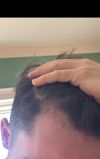
The user has been using minoxidil, finasteride, dermastamping, and Nizoral for hair loss with initial success but is considering adding PRP due to slowed progress. Concerns about PRP include potential ineffectiveness and whether it could harm existing hair growth or interfere with current treatments.
The user is experiencing worsening hair loss despite using finasteride and oral minoxidil, and is questioning if it's a shedding phase or if the treatments are ineffective. They express regret for starting the treatments as preventative maintenance.
Minoxidil was applied to a single miniaturized hair follicle over four months, resulting in less miniaturization but not yet terminal growth. The user used a 5% minoxidil solution, specifically the Regaine brand, and observed changes using a handheld WiFi microscope.
PP405 is being discussed as a potential treatment for hair loss, with uncertainty about its effectiveness compared to existing treatments like finasteride, dutasteride, and minoxidil. There is cautious optimism, but its impact on hair transplants remains unclear.
RU58841 lacks FDA approval due to financial and safety concerns, including potential cardiological side effects. The company abandoned further research, and users report adverse effects like heart palpitations and gynecomastia.
A user did not respond to finasteride, dutasteride, and oral minoxidil for hair loss after four years of treatment and is considering scalp micropigmentation (SMP). Other users suggest the hair loss pattern may indicate alopecia areata and recommend seeing a dermatologist.
The conversation discusses concerns about Scube3's effectiveness and potential cancer link. It questions whether Scube3 can regrow hair and how well it works according to researchers.
A trial of verteporfin for hair regeneration, with pictures comparing the original and current status, as well as links to other resources discussing the efficacy of this treatment in combination with Minoxidil, Finasteride, and RU58841.
User considers trying AAPE for hair restoration, costing $700 for 6 months. Others discuss its potential effectiveness and mention a study with promising results.
PP405 shows some hair growth after 4 weeks, but results are debated and expectations should be tempered. Some users compare it to minoxidil or finasteride, questioning its effectiveness and commercialization timeline.
Skin, Hair, and Nails by Pharmekal was withdrawn from the market. Users discuss alternative supplements and treatments like Minoxidil, finasteride, and RU58841.
A 27-year-old male experiencing hair loss post-Covid is considering PRP (platelet-rich plasma) therapy. He's seeking personal experiences about the process, particularly regarding pain levels, despite his dermatologist's assurance of using local anesthesia.
A 27-year-old is experiencing significant hair loss despite using a combination of 0.5mg dutasteride daily, topical minoxidil, nizoral shampoo, and vitamin D optimization, and is now starting zinc supplementation. Suggestions include considering other causes, possibly increasing dutasteride dosage, switching to oral minoxidil, or maintaining the current regimen and reassessing in six months.
A user shared a DIY recipe for a NutraKos-style amino acid mix as a cost-effective alternative to the expensive product, suggesting it as a complementary supplement for hair loss. Another user argued that proven treatments like finasteride and minoxidil are more reliable, questioning the efficacy of the amino acid mix.
The user has been using topical Minoxidil and finasteride for 5 months without seeing regrowth, despite ideal blood test results. They are seeking advice on what to do next due to frustration with continued hair loss.
Iron or vitamin deficiencies can lead to decreased hair diameter, not just androgenetic alopecia. Treatments discussed include Minoxidil, finasteride, and RU58841.
The conversation discusses the theory that finasteride-induced erectile dysfunction (ED) is related to blood flow rather than hormonal changes. The user suggests that lowering LDL cholesterol aggressively might improve ED symptoms for those on finasteride.
The conversation is about a user trying a 0.2% Alfatrafiol treatment for hair loss, combined with Kx826, Minoxidil, microneedling, and ketoconazole. The user reports reduced itching and discusses sourcing the treatment.
A user lost hair progress due to stress, poor nutrition, and lack of medication while in prison. They are now using a mix of natural oils and micro-needling, and plan to resume RU58841, dutasteride, and minoxidil.
A 17-year-old is experiencing diffuse thinning, dandruff, body hair shedding, and other symptoms, possibly linked to seborrheic dermatitis or telogen effluvium. They are using ketoconazole shampoo and considering blood tests to check for thyroid issues or deficiencies.
Some individuals do not respond to oral minoxidil for hair loss, despite it generally working by improving blood flow to hair follicles. Factors like metabolism, drug interactions, and individual variations in the drug's activation may influence its effectiveness.
A user shared their experience with hair loss treatments, including minoxidil and finasteride, and their negative side effects. They outlined a new treatment plan involving microneedling, various supplements, minoxidil foam, ketoconazole shampoo, and an anti-inflammatory diet, with plans to document progress over three months. Another user responded, indicating their own similar efforts were a waste of money.
The conversation is about the effectiveness and safety of a hair loss treatment called Pyri, with users discussing its availability and comparing it to other treatments like RU58841, fluridil, and alfatradiol. Some users are waiting for FDA approval before using Pyri, while others share their positive experiences with RU58841 and suggest additional treatments with minimal side effects.
PRP therapy cannot make oral minoxidil's effects permanent, as minoxidil does not stay permanently in the system. Dosage of oral minoxidil is typically increased gradually, but there is a limit, and it should not be increased indefinitely.
Minoxidil is highly toxic to pets, and there is a call for manufacturers to add a "Toxic to Pets" warning on packaging. A petition has been started to raise awareness and prevent pet fatalities.
User is experiencing severe hair loss despite using finasteride for 15 months, losing 500 hairs a day and 50% density since June. Minoxidil with needling was ineffective, and RU58841 is too expensive and hard to obtain.
Pelage plans to conduct two Phase 3 trials for PP405, a new hair loss treatment, which may take about a year to complete. Users discuss various hair loss treatments, including pyrilutamide, minoxidil, finasteride, and clascoterone, with some expressing impatience over the lengthy trial process compared to faster drug approvals like the COVID vaccine.
Capronium Chloride and Trichoxidil are suggested as better alternatives to Minoxidil for hair growth without heart side effects. The Japanese Dermatological Association recommends topical Minoxidil over Capronium Chloride.
The conversation discusses hair loss treatments without using Minoxidil, Finasteride, or Dutasteride, focusing on addressing hormonal issues and low ferritin levels. Suggestions include consulting a hematologist, checking for vitamin D deficiency, thyroid issues, anemia, and considering serums with copper peptides.