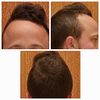
Vitamin D supplementation may have led to slight hair regrowth and density improvement. Other treatments discussed include finasteride, minoxidil, and maintaining optimal vitamin D levels.
The user experienced positive hair regrowth and thicker hair after 12 weeks on 1.25mg Finasteride and 2.5mg Minoxidil chewables, with no side effects. They plan to reassess the need for a hair transplant after seeing further progress.
A 28-year-old experienced hair loss and found success with daily 1mg Finasteride, noticing thicker hair without side effects. Despite this, their dermatologist suggested switching to expensive peptide serums, prompting the individual to seek a second opinion on long-term Finasteride and oral Minoxidil use.
The conversation discusses hair regrowth using finasteride, minoxidil pills, micro-needling, and Nizoral (ketoconazole) shampoo. Users suggest giving treatments at least a year to show results, with some recommending stronger treatments like dutasteride or a hair transplant.
South Korea's president is advocating for hereditary hair loss to be covered by national health insurance due to its impact on mental health and daily functioning. The discussion highlights the societal pressure in South Korea regarding appearance and the potential benefits of treating hair loss to improve mental health.
A dermatologist advised against using minoxidil and finasteride for hair loss, suggesting acceptance instead, but the individual is considering seeking finasteride from a family doctor. The conversation includes suggestions to try online services or pharmacies for obtaining treatments like finasteride, minoxidil, and ketoconazole shampoo.
A dermatologist advised stopping minoxidil due to heavy shedding, suggesting alternative treatments like Betaval Lotion and supplements, but many users disagreed, recommending continuing minoxidil and adding finasteride for better results. The conversation highlights skepticism about the dermatologist's motives and emphasizes the importance of understanding the type of hair loss before choosing treatments.
A 30-year-old male using oral Finasteride, topical Minoxidil, and bi-weekly dermarolling has experienced noticeable hair regrowth, including new hairs at the hairline and temples, with reduced hair shedding. He reports no side effects from Finasteride after initial lethargy and mood changes.
The user switched from topical minoxidil to oral minoxidil (2.5 mg) and finasteride (1 mg) after two years without results, noticing some initial shedding but no significant side effects. Others in the conversation discuss similar experiences with these treatments, including shedding, body hair growth, and varying results.
The user is considering stopping topical minoxidil due to lack of improvement in hair growth and is exploring alternatives like oral minoxidil, topical finasteride, and tretinoin. They are hesitant about oral finasteride and dutasteride, and are open to trying oral minoxidil if available, despite concerns about potential heart-related side effects.
The user successfully maintained and regrew hair using finasteride for 11 years and oral minoxidil for 9 months, experiencing no significant side effects. They plan to continue these treatments to prevent hair loss.
A 23-year-old Italian man in Switzerland is experiencing hair loss and cannot get a prescription for Finasteride, only Minoxidil. He seeks advice on obtaining Finasteride through online pharmacies or by consulting different doctors.
A 31-year-old individual started taking finasteride 24 days ago to address hair thinning and loss, which has worsened their mood and stress. They have not yet added minoxidil and are experiencing significant shedding, contributing to sleep issues and insecurity about their hairline.
John Cena attributes his improved life and career to a hair transplant and maintenance routine with red-light therapy, minoxidil, vitamins, and shampoo. Users discuss the effectiveness and side effects of finasteride, with mixed opinions on its necessity.
The user achieved significant hair regrowth using dutasteride 0.5mg for a year and oral minoxidil 2.5mg for eight months, despite initial shedding. They reported no side effects and preferred oral treatments over topicals.
Finasteride prices in Canada vary, with Costco offering lower prices compared to smaller pharmacies, and no membership is needed to access their pharmacy. Users discuss the cost-effectiveness of oral versus topical treatments, with some preferring oral minoxidil and finasteride due to fewer side effects.
A user had a failed hair transplant with 2800 FUE grafts at a clinic in Turkey, where finasteride was used, and the procedure was poorly executed by technicians rather than the main surgeon. The user later sought repair from a more experienced doctor, highlighting issues with large clinics that handle multiple patients daily.
The user has been dealing with hair loss for 10 years, worsened by psoriasis, and uses minoxidil and finasteride. They seek advice on managing psoriasis and hair loss, with suggestions to see a dermatologist, try different shampoos, and be patient.
The user experienced negative side effects from oral minoxidil, including cardiac issues and excessive sweating, and decided to switch to topical minoxidil while using other treatments like RU58841, Setipiprant, Azelaic acid, and latanoprost. Another user suggested splitting the oral minoxidil dose to reduce side effects.
Oral minoxidil can cause severe side effects, including heart issues, even at low doses. Users suggest starting with a lower dose or using topical treatments to minimize risks.
Increased hair loss after starting a 10g daily creatine regimen, possibly linked to elevated DHT levels despite dutasteride use. Stopping creatine reduced shedding, but the exact cause is uncertain, with discussions on exercise and lifestyle impacts.
Way-316606 is considered a potential hair loss treatment but is avoided due to safety concerns and lack of research. Minoxidil and Finasteride are preferred as established treatments.
A 33-year-old male shares his successful hair regrowth journey using oral finasteride (1.25 mg daily) for 22 months and topical minoxidil for 10 years, along with dermarolling. He reports significant hair regrowth, no side effects, and emphasizes the importance of consistency in his routine.
The user experienced some hair regrowth using twice daily topical 5% minoxidil and once daily oral 1mg finasteride, along with dermarolling. They plan to continue this regimen for at least two years and may try additional treatments if needed.
The user experienced hair loss and initially used Finasteride, but switched to Dutasteride after continued shedding. Dutasteride stabilized their hair density with mild side effects, and they did not use Minoxidil.
The user experienced rapid hair loss due to stress and started using minoxidil, finasteride, a derm roller, and Mielle hair oil, along with men's supplements. They are pleased with the progress and grateful for the support from the community.
Taking finasteride alone did not stop hair loss, but adding vitamin D3 and iron supplements improved hair coverage and quality. It's important to check and address deficiencies, but caution is advised with iron supplementation without medical guidance.
A doctor criticized the use of Finasteride for hair loss, suggesting Minoxidil and a hair transplant instead, despite the patient experiencing no side effects from Finasteride. The patient disagreed, arguing that Minoxidil doesn't address the root cause and that Finasteride is necessary to protect donor hair in transplants.
The user experienced significant hair recovery after 14 months using oral Propecia (finasteride) 1 mg daily and oral minoxidil, and recently added topical minoxidil and topical Propecia to their regimen. The doctor recommended this combination to maximize results, and the user reported no side effects, noticing improvements by the third month.
A user is seeking advice on using finasteride and minoxidil for hair loss after being unhappy with their dermatologist's advice. They are considering getting finasteride on their own due to prescription challenges.