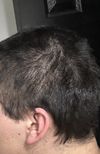
PP405 shows promise for hair growth with significant results after 4 weeks, but skepticism exists due to its unavailability. Some users are hopeful for its potential, while others express concerns about side effects and market release delays.
A user is seeking homemade, organic shampoo recipes to reduce scalp greasiness and excessive sebum without using commercial shampoos. They dislike the texture and smell of amla paste.
Double shampooing daily is safe and helps manage oily scalp and dandruff without causing hair loss. Accutane is considered for reducing sebum production despite potential temporary hair loss.
Users discussed experiences with Everychem's solution similar to PP405 for hair loss, noting some positive results like increased hair thickness and new growth. There was skepticism about the product's legitimacy and safety, with some users reporting early signs of effectiveness and others expressing concerns about the lack of evidence and safety profiles.
The conversation is about hair loss treatments, specifically discussing the effectiveness of shampoos with Minoxidil and DHT-blocking properties. Users suggest using Minoxidil, tretinoin, and microneedling for hair regrowth, while recommending ketoconazole shampoo for scalp health.
Hair loss possibly caused by a fungal infection might be treated with antifungal shampoos or oral medications. If not fungal, treatments like minoxidil or finasteride may be necessary.
Ketoconazole shampoo can be very drying, especially for curly hair, and may not be suitable for those who need to maintain moisture. Some users suggest using oils or masks to mitigate dryness, while others recommend avoiding it unless necessary for conditions like dandruff.
The user is using 1% ketoconazole shampoo, 5% minoxidil foam, and a multi-peptide hair serum to address hair loss, aiming to improve from Norwood 5 to Norwood 3. They are considering adding topical finasteride if current treatments show progress and plan to use cosmetic products like fibers and DermMatch for appearance enhancement.
A user has been using Waterman's Grow Me Shampoo, which claims to have DHT blockers and promote hair growth. They've noticed potentially faster hair growth and some new hairs but are unsure if the product is effective or not.
Shampoos are not effective for stopping hair loss; treatments like minoxidil, finasteride, and dutasteride are more effective. Ketoconazole shampoo may help with scalp inflammation but not directly with hair loss.
The Derma Harmony Sulfur/Salicylic acid soap bar shampoo caused significant hair shedding, oily scalp, and cystic acne. The user experienced better results with rosemary shampoo.
A user shared their experience with a hair restoration method involving adding individual human hairs on ultra-fine strands between existing hair, allowing for natural movement and appearance without blocking the scalp. They also continue using rosemary oil and gentle massage for basic growth support.
A product called "PP405 Hair Follicle Serum" is being sold on Shopee, claiming to cure baldness without clinical trials or FDA approval, but users are skeptical and refer to it as "snake oil." Some users discuss testing the product's contents, while others share their experiences with hair loss treatments like finasteride.
Scalp tension from the occipitalis muscle is theorized to contribute to hair loss, but most believe DHT and genetics are the main causes. Treatments like finasteride and minoxidil are considered more effective than addressing scalp tension.
After a hair transplant, the user noticed unexpected new hair growth without using medications or vitamins. Many advised starting treatments like minoxidil and finasteride to maintain the results and prevent future hair loss.
Finasteride is seen as risky for men due to side effects like erectile dysfunction, while hormonal birth control for women is normalized despite its side effects. The discussion points out a double standard influenced by societal and gender norms.
The user experienced significant hair regrowth after one year on male-to-female hormone replacement therapy (HRT) and nine months using minoxidil and finasteride. They noted a reduction in body hair and attributed much of the hair regrowth to the addition of minoxidil.
Using dutasteride or finasteride can increase free testosterone, which may convert to estradiol, potentially causing side effects like increased estrogen levels. Individual responses vary, and some users report changes in cholesterol, hair texture, and side effects like gyno or increased sex drive.
A doctor advised against using finasteride or dutasteride during pregnancy. The user continues with oral and topical minoxidil, microneedling, tretinoin, Nizoral, and pyrilutamide.
Creatine is reported by many to increase hair loss, though no scientific evidence supports this. Some use finasteride and minoxidil to manage hair loss, while others avoid creatine due to personal experiences.
A user shared their 4.5-month hair transformation using a homemade topical solution with 5% minoxidil and crushed finasteride pills, applied twice daily with weekly microneedling. They plan to switch to once-daily application with tretinoin gel to enhance absorption.
0.5mg dutasteride reduces scalp DHT more than 1mg finasteride, leading to better hair regrowth results. Users report significant improvement with dutasteride compared to finasteride.
Creatine may increase scalp DHT without affecting serum DHT, potentially speeding up male pattern baldness (MPB) for those genetically prone. Treatments mentioned include Minoxidil, finasteride, and RU58841.
A user underwent a 5000 graft hair transplant in Istanbul, which included 900 beard grafts, after previously using finasteride with limited success. The procedure cost £4500, including transport and aftercare in both Istanbul and the UK.
The conversation discusses whether creatine causes hair loss for those using finasteride or dutasteride, with some suggesting creatine might increase DHT or upregulate androgen receptors, potentially leading to hair loss. Others argue the evidence is not conclusive, citing limited studies and personal anecdotes, with some avoiding creatine as a precaution.
The conversation is about the difference in hair loss between bodybuilders in the "Golden Era" and modern bodybuilders. Some users speculate that factors such as the types and doses of steroids used, genetics, diet, microplastics, and overall health may contribute to hair loss. Hair loss prevention medication and transplants are mentioned as potential treatments.
User experienced hair loss after taking creatine with finasteride for 8 years. Others shared similar experiences, but some suggested it could be a minoxidil shed.
Creatine is reported to cause increased hair shedding, but there is no scientific evidence linking it to hair loss. Some users manage hair loss with finasteride and minoxidil or consider stopping creatine if shedding worsens.