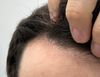
Microneedling once a week at 1mm caused bumps, possibly scars, in the treated area. The user is considering cleaning the skin before microneedling to prevent this issue.
The user has been using 1mg finasteride, 5% minoxidil, Nizoral, and a derma stamp weekly for two months to treat hair loss. They are experiencing good results, with some skin flaking from microneedling.
A user's transformation from an accountant to a spartan with a full beard, discussing the potential of DUPA and alopecia areata, as well as treatments like vitamins, topicals, and natural treatments for potential regrowth.
A 2-week journey with Pyri, which is producing positive effects on hair texture and reduced shedding; Minoxidil and derma needling are being used as treatments.
Peptides like TB500, KPV, GHK-CU, and BPC-157 are overhyped for hair growth with limited proven effectiveness in humans. Combining peptides with delivery methods like iontophoresis and sonophoresis shows promise, but many claims remain unproven.
The conversation is about using Verteporfin with microneedling as a potential hair loss treatment that may regenerate hair follicles with minimal scarring. There are concerns about the optimal dosage and the DHT sensitivity of the new follicles.
A user applied minoxidil to their pubic hair for 3 months, resulting in hair growth over 4 inches, and is considering using it for a scalp hair transplant. They plan to continue the treatment despite their wife's disapproval.
Bimatoprost and latanoprost are being considered for scalp hair growth, with concerns about side effects like skin darkening and fat loss. A user warns about potential chemical burns from latanoprost.
PP405 shows promise in hair loss treatment, but stem cell therapy using adipose-derived stem cells and ATP also successfully reversed androgenetic alopecia in mice. Stem cell therapy is costly, and some doubt the effectiveness of PP405 based on press releases.
The user is experiencing scalp irritation from using tretinoin and alcohol-based hair loss treatments like stemoxydine. They find that Aquaphor helps with the pain but is difficult to apply in hairy areas.
A user shared their 3.5-4 month progress using Topical Minoxidil, Oral Finasteride, Keto 1%, and Dermastamp, reporting positive results despite some shedding and flaking. Replies praised the progress and inquired about the treatment routine and temple condition.
Minoxidil can cause itching, pimples, and shedding, and starting spironolactone or finasteride may also lead to shedding. Topical CBD oil with MCT is suggested to reduce inflammation, and overlapping shedding might occur but doesn't necessarily increase each other's effects.
User switched from finasteride to combination dutasteride and finasteride for hair density improvement. They noticed less hair shedding and more youthful skin, with a reply suggesting less DHT could increase elastin in skin.
A user who has had positive results from using a regimen of microneedling, finasteride, minoxidil, peppermint oil, keto shampoo and DHT organic shampoo for hair growth. The conversation also addressed whether to use .5mg or 1mg of finasteride and the difference between dermapens and rollers.
P5P supplementation helped reverse finasteride side effects, particularly by lowering prolactin levels and restoring sensitivity. The user experienced significant improvement within a day and full recovery in a few days.
A user suggests using a poop-based solution for hair growth, comparing it to fertilizing nails. Others humorously respond, with one mentioning microneedling as a similar concept.
The potential of using Verteporfin to prevent hair loss scars and possible regrowth, with two doctors currently testing it, although the price of a 15mg bottle is expensive.
A user's hair loss treatment regimen, which includes minoxidil, ketoconazole shampoo and microneedling; some participants questioned the results due to previous posts about hair transplants, but others agreed that quick results are possible with certain treatments.
A user is experiencing scalp flaking from a finasteride/minoxidil topical solution and considers using salicylic acid shampoo to remove propylene glycol residue. Another user suggests trying a leave-in conditioner to address dryness and flaking.
A user is considering using Bare Anatomy's Advanced Hair Growth Serum, which contains Redensyl, Anagin, Baicapil, Rosemary, and Biotin, for thinning hair. Reviews are mixed, with some users skeptical about its effectiveness compared to minoxidil.
Tretinoin can irritate seborrheic dermatitis, but using it with a moisturizer on calm skin may help. Parallel Health's skin microbiome testing and phage therapy are suggested for persistent issues.
A 37-year-old male resolved scalp folliculitis by adopting a low-histamine diet and taking Vitamin A, Zinc, and Fish Oil, leading to better skin health and thicker hair. He warns about the potential toxicity of excessive Vitamin A intake.
OP saw significant hair growth after starting scalp exfoliation and using 5% topical minoxidil for 4.5 months, along with microneedling initially. Users discussed the benefits of exfoliation and inquired about experiences with finasteride and dutasteride.
A 57-year-old man with male pattern hair loss and insulin resistance experienced hair regrowth and weight loss after using tirzepatide, without other hair treatments. Dysregulated glucose metabolism is linked to hair loss, with tirzepatide potentially improving hair density by normalizing insulin resistance.
The conversation is about a user sharing their positive experience with Scalp Micropigmentation (SMP) for hair loss, highlighting the natural look achieved by a specialized artist. The procedure cost $2600 and was done by Alex Corona in Panama City Beach, FL.
The user is using topical dutasteride, finasteride, minoxidil, and tretinoin but seeing no results or side effects. They also microneedle every two weeks but experience little bleeding, questioning if a thick scalp is preventing treatment effectiveness.
The conversation discusses using verteporfin for hair regrowth and minimizing scarring after hair transplants. Some individuals plan to self-administer verteporfin, potentially in combination with microneedling, as an alternative to hair transplants.
The conversation discusses hair loss, with users suggesting treatments like ketoconazole shampoo, finasteride, and dutasteride. Symptoms like burning and tenderness are mentioned, with recommendations to see a dermatologist for potential scarring alopecia.
A potential non-invasive topical treatment targeting the WNT Signaling Pathway for hair regeneration is being researched, with positive results on human hair follicle cells. Current effective treatments for hair loss include Minoxidil, finasteride, and hair transplantation.
PP405 is considered as a potential hair regrowth treatment, but users are skeptical due to past product failures. They compare it to Minoxidil and Finasteride, questioning its effectiveness and the intentions of pharmaceutical companies.