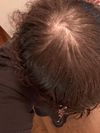
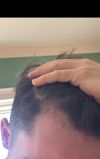
A user wants to try melatonin for hair loss by mixing melatonin powder with a topical oil serum. They are asking if this mixture is possible and effective.
A user shared progress pictures showing hairline improvement after 2 years of using topical Minoxidil, 1mg oral Finasteride, and sporadic microneedling. Another user praised the progress and shared mutual encouragement.
The user has been using topical Minoxidil and oral Finasteride for 6 months to treat hair loss, with noticeable improvement. Another user mentioned using unnamed drops for 4 months to successfully reduce a bald patch, but with less effect on a receding hairline.
A user's progress pictures showing the results of taking Fin (0.5 mg per day), Min (5 mg per day) and microneedling with Dr. Pen Ultima M8; another user asked when the regrowth was noticed, and commented on the hair appearing darker.
The user experienced dryness and shedding with topical minoxidil and switched to oral minoxidil 2.5mg, seeking advice on what to expect. They are concerned about scalp health and looking for others' experiences with this change.
The conversation is about creating a topical hair loss treatment with B6, zinc, and azelaic acid, which is claimed to inhibit 90% of scalp DHT. One user is skeptical about the effectiveness of this treatment and its comparison to other treatments without side effects.
A 24-year-old man is experiencing hair shedding after starting Minoxidil and Creatine, and is concerned about accelerated hair loss. A user suggests that Creatine does not increase DHT levels and recommends considering oral Dutasteride, low-dose oral Minoxidil, and Ciclopirox Shampoo, advising consultation with a doctor.
A 22-year-old is struggling with worsening hair loss despite using finasteride, minoxidil, and microneedling. They are seeking advice on whether to continue microneedling, feeling hopeless as their treatments have not stabilized or improved their condition.
The user shared their 9-month progress using topical finasteride and minoxidil, a Capillus laser cap, and a dermastamp for hair loss. They noted improvements and emphasized the importance of consistency for better results.
The user experienced scalp inflammation and rapid hair loss after using minoxidil, despite initial success. Suggestions included switching to minoxidil foam, using oils, trying aspirin, and considering RU58841 for inflammation and hair loss management.
Pelage plans to conduct two Phase 3 trials for PP405, a new hair loss treatment, which may take about a year to complete. Users discuss various hair loss treatments, including pyrilutamide, minoxidil, finasteride, and clascoterone, with some expressing impatience over the lengthy trial process compared to faster drug approvals like the COVID vaccine.
OP is exploring ways to stop or reverse greying hair, using NAC and considering PABA supplements. Some users suggest hair dye, black strap molasses, and copper as potential solutions.
User experienced hair loss since 16, used Fin, Minox, and Nizoral with success but stopped due to side effects. Now using Pur D'or shampoo, Rogaine foam, scalp massages, volumizing spray, and dermarolling for hair maintenance.
The post discusses using microneedling alone for hair regrowth without finasteride or minoxidil due to side effects and dependency concerns. The user is also considering the "Zix" formula, acetic acid, topical zinc solutions, and lithium chloride.
The user discussed their positive experience with hair loss treatments Finasteride, Minoxidil, and Dermarolling, showing significant progress in 48 days. Other users expressed interest in trying these treatments, asked about side effects, and one noted that they've observed good results in black people.
The user is experiencing worsening hair loss despite using finasteride and oral minoxidil, and is questioning if it's a shedding phase or if the treatments are ineffective. They express regret for starting the treatments as preventative maintenance.
A 24-year-old with male pattern baldness experienced side effects from oral finasteride and switched to a topical minoxidil/finasteride combination, later incorporating daily shampooing and scalp brushing to manage hair loss and dandruff. After initial shedding, the regimen led to reduced hair loss and new hair growth, with the user now using a densita mf combination (5% minoxidil/0.1% finasteride + redensyl) nightly.
PP405 shows promise in stimulating new terminal hair growth by activating dormant follicles, with no systemic adverse effects observed in a short-term trial. However, long-term efficacy remains unproven, and further trials are needed to confirm its potential as a hair loss treatment.
Early hair loss causes emotional distress, and common coping strategies like fitness and fashion are inadequate. Treatments like finasteride, minoxidil, dutasteride, hair systems, and scalp micropigmentation were tried but were unsatisfactory.
A 33-year-old experienced hairline improvement using finasteride and minoxidil, later stopping minoxidil while continuing ketoconazole shampoo. Initial side effects included shedding, reduced libido, and anxiety, but these resolved, leading to a full hairline recovery.
A user shared their experience with hair loss treatments, including RU58841, ketoconazole shampoo, caffeine shampoo, and topical finasteride. They found RU58841 effective for diffuse thinning but experienced severe hair loss after stopping it; topical finasteride worked well for a receding hairline but caused side effects. They also use a charcoal shampoo and practice scalp massages.
A user with aggressive male pattern baldness found that topical melatonin significantly reduced their hair shedding to 1 or 2 hairs per day and noticed some thickening of side hair. They tried many treatments like finasteride and minoxidil with little success, but topical melatonin showed immediate results in reducing hair loss.
The user reports that using topical Dutasteride has stopped their hair loss, and they are curious about potential side effects and regrowth. They also mention having scalp psoriasis and past SSRI use affecting libido.
The conversation discusses concerns about body dysmorphia related to hair loss, with some users expressing frustration over posts claiming treatments like finasteride and dutasteride are ineffective or harmful despite minimal hair loss. It emphasizes the importance of early treatment with medications like finasteride and minoxidil for those experiencing hair loss.
The user has been using finasteride for nearly 6 months and minoxidil for nearly 2 months, noticing a sparser hairline and miniaturized hair. Some users believe it's shedding with new growth, while others see a loss in density.
The user shared their hair loss treatment routine, which includes caffeine shampoo, The Ordinary Hair Serum, red light therapy, topical finasteride, topical minoxidil, Nizoral shampoo, and dermarolling. They previously used oral finasteride but stopped due to travel, resulting in rapid hair loss.
A user with mild psoriasis on the scalp is using finasteride, topical minoxidil, and dermarolling for hair loss but plans to stop minoxidil on the crown due to psoriasis aggravation. Suggestions include switching to a lipid-based minoxidil, using Ketoconazole shampoo, or trying oral minoxidil.