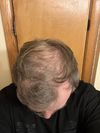
The user is pleased with their hair growth results after using oral minoxidil (2.5mg) for 3 months and finasteride (1mg) for 4 months, despite experiencing significant shedding initially. They prefer oral treatments over topical due to convenience and concerns about toxicity to pets.
Hair loss is often linked to inflammation and DHT, with treatments like finasteride, dutasteride, and minoxidil being effective for many. Natural remedies like turmeric and oils are discussed, but medications are generally seen as more reliable for managing genetic hair loss.
The user experienced hair regrowth using finasteride and minoxidil over 8 months, with noticeable improvements starting in June. They reported side effects like erectile dysfunction and flakes but continued treatment as the effects were not permanent.
The user experienced significant hair regrowth using 2.5 mg minoxidil and 1 mg finasteride prescribed by a dermatologist, with no negative side effects reported. The progress has inspired others to try similar treatments for hair loss.
Oral ketoconazole is discussed as a potential hair loss treatment, but it poses significant health risks like liver damage and adrenal insufficiency. Users suggest safer alternatives like topical anti-androgens or spironolactone, emphasizing the importance of consulting a specialist.
There are no tests to determine genetic follicle sensitivity for hair loss, and conclusions are based on hypothetical or post-balding observations. Finasteride is mentioned as an easy, consistent treatment option compared to natural treatments.
Dutasteride tablets from India are significantly cheaper than those from pharmacies, but there are concerns about authenticity and customs issues. The user is also using oral minoxidil, finasteride, and RU58841 for hair loss treatment.
The user shared their experience with various hair loss treatments, including Kirkland Minoxidil Foam, Happy Head Topical Fin and Min, Locklab, Ro Mane Spray, and plans to try Happy Head 10 in 1 serum. They found Happy Head Fin and Min effective for crown regrowth but are considering switching to Ro Mane or the new Happy Head serum for less greasiness and staining.
The user shared their positive experience with hair loss treatment using minoxidil and finasteride over seven years, noting significant improvement and satisfaction despite some inconsistency with finasteride dosage. They reported minimal side effects, with a slight initial decrease in libido that later adjusted.
A 22-year-old male using finasteride for hair loss has experienced reduced hair density after 11 weeks, with hopes for stabilization or regrowth. Users suggest adding treatments like dutasteride, minoxidil, and ketoconazole, but emphasize patience and consistency with the current regimen.
A 22-year-old male with a family history of baldness has been using finasteride for 3 months and previously used minoxidil. He is concerned about hair loss progression and seeks advice on whether to restart minoxidil and improve his lifestyle, while being advised to be patient with the treatment.
After stopping finasteride, the user retained hair without noticeable balding, suggesting an unusual reaction to the medication. The user initially experienced rapid hair loss and itchiness, possibly due to male pattern baldness, but maintained hair stability after tapering off finasteride.
Users discuss alternatives to DHT blockers for hair loss, suggesting minoxidil, microneedling, natural DHT blockers, and scalp massages. Some explore RU58841, ketoconazole, hair transplants, and hair systems due to side effects from finasteride and dutasteride.
A 35-year-old man is considering adjusting his hair loss treatment, currently using 0.5 mg dutasteride and 5% topical minoxidil, with inconsistent application. He is advised to add oral minoxidil for consistency and possibly increase the dutasteride dosage while continuing Ayurvedic treatments for hair texture.
A user shared their 3-month progress using topical Minoxidil 5% and oral Finasteride 1mg daily, along with ketoconazole shampoo and derma stamping, reporting significant hair growth without side effects. Some users doubted the results, while others discussed potential side effects of Finasteride and alternative treatments.
A user is considering switching from finasteride to a combination capsule of dutasteride, oral minoxidil, and biotin for hair loss, but is unsure about the credibility and cost. Other users suggest getting separate prescriptions for better control and cost-effectiveness.
A 24-year-old has been using oral finasteride and topical minoxidil for six months with minimal progress in hair regrowth, despite starting derma rolling and considering telogen effluvium as a possible cause. Suggestions include switching to oral minoxidil, adding dutasteride, and continuing microneedling for better results.
Minoxidil alone is often insufficient for significant hair regrowth, with many users experiencing limited results or side effects, leading them to add finasteride or dutasteride for better outcomes. Some users report initial improvements with minoxidil but eventually require additional treatments to maintain or enhance hair growth.
The user had a hair transplant five years ago and started using minoxidil three months ago. Commenters recommend adding finasteride or other DHT blockers to prevent further hair loss and maintain results.
A new plant-based serum is claimed to regrow hair in weeks, but users are skeptical about its effectiveness and the reliability of the study. Ingredients like Centella Asiatica and IGF-1 are mentioned, but many doubt the serum's superiority over existing treatments like Minoxidil and finasteride.
Oral minoxidil is causing significant blood pressure fluctuations and increased heart rate, leading the user to consider switching to topical minoxidil and tretinoin. The user plans to consult a cardiologist and is likely to stop using oral minoxidil.
The user is considering stopping finasteride after 1.8 years due to concerns about side effects and is exploring alternatives like minoxidil and topical finasteride. They are also considering microneedling and are advised to wait for new treatments like breezula/clascoterone.
The user is considering using minoxidil, finasteride, and microneedling for hair regrowth and is concerned about maintaining progress if they stop microneedling. They are also contemplating switching from topical to oral minoxidil for convenience.
The user is dissatisfied with the results of using 0.3% finasteride and 6% minoxidil for hair thinning and is considering a topical treatment combining finasteride, dutasteride, minoxidil, melatonin, caffeine, and latanoprost. Another user suggests that high topical concentrations can lead to systemic exposure and recommends using oral dutasteride and microdosing topical finasteride.
A user shared their hair regrowth progress using Dutasteride and topical Minoxidil over three years, noting significant improvements around 4-5 months and continued gains after a year. They reported no major side effects, only an itchy scalp, and emphasized the importance of patience and consistency.
A 46-year-old man is using minoxidil, finasteride, and derma rolling for hair regrowth but is unsure of the results and considering a hair transplant. Many suggest he looks good bald and recommend continuing treatment or trying scalp micropigmentation.
Starting hair loss treatment early is crucial for better results. Dutasteride and finasteride are effective, with dutasteride often considered superior, while oral minoxidil shows better gains than topical.
Minoxidil is often applied once or twice daily for hair growth, but many find it inconvenient and switch to once daily or oral minoxidil for ease. Some users combine it with finasteride for better results, despite potential side effects.
A 21-year-old is experiencing hair loss and is considering using Minoxidil and Finasteride, but is concerned about lifelong dependency and seeks advice on permanent solutions. They are advised to act quickly, consider additional treatments like Dutasteride, and get blood tests to rule out other causes.