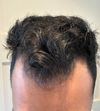
Low doses of dutasteride are as effective as higher doses for hair regrowth, with fewer side effects. Users find success taking it 2-3 times a week instead of daily.
Minoxidil is extremely toxic to cats, even from residue on surfaces, and can be deadly if they come into contact with it. Switching to oral minoxidil is suggested as a safer alternative for pet owners.
Oral DHT blockers like finasteride are preferred for their ease of use, effectiveness, and long-term safety data, while topical treatments like RU58841 lack extensive safety data and can be more cumbersome to apply. Oral treatments are generally considered more effective and convenient despite potential side effects.
The conversation discusses hair regrowth using minoxidil, with suggestions for women to use spironolactone and for men to combine minoxidil with dutasteride. Users share experiences and advice on dosage and cost-saving methods.
A user is making a topical finasteride solution with 0.01% finasteride, 50% ethanol, 15% glycerine, and 35% water, but it doesn't adhere well to the scalp. They seek advice on improving the mixture's consistency without taking oral pills.
The user has been using Minoxidil since 2024 and topical finasteride since January 2026, but their hair continues to thin, and they are seeking hairstyle advice. They have also tried a dermastamp and ketoconazole shampoo, and are considering buzzing their hair for a more balanced look.
The user experienced anxiety and a rapid heartbeat after restarting finasteride at 0.25-0.3 mg, considering whether to continue or stop. They also use minoxidil but did not have these side effects with minoxidil alone.
A 34-year-old user shared progress pictures after using daily topical minoxidil and oral finasteride for four months, reporting satisfaction with the results and no side effects. The conversation included suggestions for oral minoxidil, debates about the authenticity of the progress photos, and discussions on potential side effects.
Oral minoxidil and oral dutasteride are considered effective for hairline and hair recovery, but results vary. Topical minoxidil can still be used for beard and eyebrows even when taking oral versions.
An 18-year-old male with a family history of baldness started using 5% minoxidil and 0.01% finasteride spray for hair loss. Suggestions included getting a blood test, considering oral dutasteride, and trying oral minoxidil.
Finasteride can cause initial hair shedding, which may indicate effectiveness, with improvements seen after 12-24 months. Some users enhance results by combining it with minoxidil and dermarolling.
A 26-year-old is starting a hair loss treatment using 1mg oral finasteride daily, 5% topical minoxidil foam twice daily, 2% ketoconazole shampoo weekly, and microneedling once a week. They noticed worsening hair loss over the past year and are seeking advice.
The user experienced significant hair regrowth over 8 months using finasteride, minoxidil, and a custom topical mix including progesterone, cortisone, and alpha 5 estradiol. They reported no side effects and noticed improvement around the third month.
A user shared their one-year hair restoration journey, which included a hair transplant in Thailand and the use of oral minoxidil and finasteride. They expressed satisfaction with the results despite the cost and chose Thailand over Turkey due to mixed reviews.
Finasteride may take 8-12 months to show results, with initial shedding common. Users suggest waiting before considering stronger treatments like dutasteride.
Oral minoxidil and finasteride can lead to quick hair growth, with some users noticing changes in as little as 2-3 weeks, though head hair may take longer. Many prefer oral minoxidil over topical due to convenience, and some also use ketoconazole shampoo and other topical treatments.
The user started taking oral finasteride after four years on oral minoxidil due to thinning hair in the crown area. They experienced some initial side effects and shedding but are hopeful for regrowth, while continuing with minoxidil.
Finasteride and minoxidil are effective for hair loss, with many users finding them manageable as part of a daily routine. Costs can be reduced by purchasing generic versions, and while some users express concerns about long-term use, most agree the benefits outweigh the inconvenience.
The user is experiencing an itchy scalp and acne while using oral dutasteride and minoxidil for hair loss. They are considering stopping minoxidil to see if symptoms improve and possibly switching to finasteride if needed.
Switching from finasteride to dutasteride led to hairline regression and scalp issues for some users, prompting a return to finasteride. Users reported better maintenance and regrowth with finasteride compared to dutasteride, despite using oral minoxidil throughout.
A 25-year-old shares 4 months of hair loss progress using 0.5mg Dutasteride, 2.5mg Minoxidil, and 10mg Biotin in one capsule. They experienced significant improvement by month 2, despite a big shed at month 3, with no side effects reported.
An 18-year-old started taking finasteride for early-stage hair loss, prescribed by a dermatologist who advised against waiting due to potential follicle loss. The conversation includes differing opinions on starting finasteride early, with some users sharing personal experiences and concerns about potential side effects.
Minoxidil and finasteride are discussed for hair loss, with concerns about minoxidil's heart-related side effects. New treatments like PP405 are met with skepticism, often humorously noted as always being "five years away."
A user is seeking advice on how to split a 5mg finasteride tablet to achieve a 1mg dose for hair loss treatment, as 1mg tablets are unavailable in Morocco. They are looking for a cost-effective solution due to financial constraints.
The user has been using 5% minoxidil foam for 5 months with noticeable results and is considering adding finasteride. Suggestions include adding finasteride, using hair fiber spray, and trying microneedling for better results.
Finasteride and minoxidil are commonly recommended by hair transplant clinics, including those in Turkey, despite some negative perceptions and concerns about side effects. The conversation highlights differing opinions on the effectiveness and safety of these treatments, with some users expressing skepticism about side effects and others emphasizing the importance of these medications for successful hair transplants.
The conversation discusses using microneedling with growth factor serum, PRF injections, dutasteride, oral and topical minoxidil, and topical exosomes to treat hair loss, particularly on the crown. OP plans to microneedle twice a month and seeks feedback on Korean growth factor serums.
The user shared their 3-month hair regrowth progress using minoxidil, finasteride, dermarolling, and ketoconazole shampoo, noting improvement from Norwood 5 to Norwood 4. They also mentioned lifestyle changes like diet and exercise, and received positive feedback on their progress.
Oral minoxidil is more effective than topical minoxidil for hair regrowth but may cause side effects like heart issues and increased body hair. Combining it with finasteride is common for better results, though side effects vary.
Hair loss changes are typically noticed over months or years, not days, and treatments like finasteride, dutasteride, and minoxidil require time to show effects. People often overreact to daily shedding, but realistic expectations and patience are necessary for hair regrowth treatments.