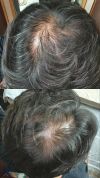
The user visited a trichologist due to ineffective topical finasteride treatment for hair loss. The trichologist recommended a new regimen including a two-month course of locoidon (cortisone 0.1%), followed by a solution containing minoxidil, hydrocortisone butirrate, estrone, progesterone, tocopherol acetate, trichosol, and transcutol.
Minoxidil, finasteride, and RU58841 are discussed as treatments for hair loss, with excitement around a new drug, PP405, and a reformulated oral minoxidil in trials. Concerns about cost, side effects, and long-term use are also mentioned.
The conversation humorously discusses hair loss treatments, mentioning spironolactone and cyproterone acetate. It reflects a sense of frustration and satire about the effectiveness of these treatments.
A user, 42 M, NW 5-6, used oral Dutasteride, Minoxidil, RU58841 topical, micro needling, Nizoral shampoo, saw palmetto gummies, vitamin D gummies, and scalp massages for 2 months. They noticed many small light hairs on previously bald areas and are questioning if these will darken or remain vellus hairs.
The conversation discusses using zinc sulphate and azelaic acid to inhibit 5 alpha-reductase activity, which could potentially treat androgen-related skin conditions like hair loss. Combining these with vitamin B6 could enhance the effect, potentially offering an alternative to finasteride.
The post discusses a hair loss treatment regimen including oral finasteride, topical minoxidil, a rejuvenating scalp serum with caffeine, rosemary, and ginger, topical ketoconazole, saw palmetto, and derma rolling. The user seeks advice for scalp pimples and irritation.
The conversation humorously discusses using a full head wig for hair, beard, and perfect skin, with mentions of treatments like finasteride, RU58841, and microneedling. It highlights a shift from serious hair loss discussions to satire and memes.
The post and conversation discuss different methods of applying hair loss treatments directly to the scalp. The original poster suggests using a 1ml TB Syringe & Ophthalmic Cannula for precise application, while others share their own methods, including sprays, droppers, and simple syringes.
A user is seeking a recipe to create a topical solution using Minoxidil tablets, rosemary, peppermint, and possibly coconut oil. They are asking for specific amounts and mixing instructions.
The user experienced significant hair regrowth and healthier hair after two months of using oral finasteride, minoxidil, and biotin, despite an initial shedding phase. They reported no negative effects on their beard or facial bloating and were surprised by the quick results.
A 24-year-old male with crown thinning and an oily scalp is seeking advice on shampoo recommendations and whether to restart minoxidil or try a hair growth serum. He is concerned about daily shampooing and managing greasy hair.
Inflammation plays a significant role in hair follicle miniaturization and androgenetic alopecia, with treatments like ketoconazole shampoo, minoxidil, and finasteride being used to address it. Users discuss the benefits of anti-inflammatory treatments and peptides like KPV, alongside traditional hair loss treatments, to improve scalp health and hair quality.
The user shaved their head and is using finasteride and minoxidil for hair loss, expressing confidence in the process despite challenges. They are considering additional treatments like microneedling and are open to trying different looks, including facial hair growth.
The conversation discusses using pumpkin seed oil, saw palmetto, fo-ti, and astaxanthin for hair loss, with additional use of Nizoral shampoo. Users express skepticism about regrowth and suggest adding a micro derm roller or considering minoxidil and finasteride for better results.
The conversation is about creating a hair oil using peppermint oil, Mielle Rosemary Oil, black Jamaican castor oil, and coconut oil. Users suggest that oils alone won't help with male pattern baldness without using treatments like finasteride or minoxidil.
The user is using a topical spray containing finasteride, minoxidil, ketoconazole, and biotin for hair loss and plans to add weekly dermastamping, starting with a needle length of 0.6mm. They seek advice on the safety of combining these treatments, the impact of skipping one dose weekly, and the frequency of replacing the dermastamp.
User is using a homemade topical treatment with .015% finasteride, 5% minoxidil, and microneedling at .75mm depth. They also use 2% ketoconazole shampoo, various oils, and are considering increasing finasteride concentration due to mixed results.
The user reports a stable receding hairline with new hair growth after using 5% minoxidil, 1mg oral finasteride, D-Biotin daily, derma rolling twice a week, and three PRP sessions per month. They plan to update their progress in four months.
A 50-year-old Black woman with alopecia areata and traction alopecia is seeking a science-based hair loss routine. Current treatments include spearmint tea for DHT levels and considering PRP.
A user with scalp psoriasis and hair loss is hesitant to use topical minoxidil and finasteride due to concerns about psoriasis and potential side effects. They are considering alternatives like pumpkin seed and saw palmetto.
A person dealing with hair loss is considering shaving their head, using scalp micropigmentation to cover a FUT scar, or trying a hair system. They are also contemplating treatments like minoxidil, finasteride, and dutasteride.
A user reported significant hair thickening and new baby hairs on the hairline after 11 months of using 1mg finasteride every other day and microneedling once a week. They experienced no shedding, and finasteride stopped all hair loss within 24 hours of the first pill.
A breakthrough in hair follicle cultivation using induced pluripotent stem cells (iPSCs) has been achieved, producing large hair follicles suitable for transplantation. Clinical trials for this hair multiplication technology are planned in partnership with Yinguan Biotechnology.
Minoxidil without propylene glycol is sought to avoid dermatitis, with Rogaine foam and Tecflox suggested as alternatives. Users discuss using foam to prevent irritation and suggest heating it for easier application.
Hair loss treatment with latanoprost, minoxidil, and biotin showed progress. Latanoprost, a glaucoma drug, stimulates anagen phase and increases conversion of vellus hair to terminal hair.