An 18-year-old experiencing hair loss and seborrheic dermatitis has tried finasteride, dutasteride, and various shampoos without success. They are considering anti-androgens like RU58841 and KX-826 for oil control and dandruff reduction.
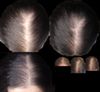
Male pattern baldness can occur with or without an oily scalp, but an oily scalp and seborrheic dermatitis can worsen the condition. Treatments like finasteride, minoxidil, and ketoconazole shampoo are used, and managing diet and scalp care can help control symptoms.
Seborrheic dermatitis can cause hair loss, and treatments like ketoconazole shampoo, topical steroids, and oral antifungals may help. Some consider using finasteride and minoxidil for hair loss despite dermatitis.
A 19-year-old male with seborrheic dermatitis (SD) experienced significant hair loss and uses keto shampoo, zinc, and Nizoral to manage it. He inquires about the potential for regrowth and whether adding finasteride would help.
The user treated seborrheic dermatitis and hair loss with a routine including sulfate-free tea tree oil shampoo, ketoconazole shampoo, minoxidil foam, microneedling, and supplements like Omega-3 and Vitamin-D. They experienced significant hair shedding initially but saw improvement over a year.
The post and conversation discuss the link between DHT (a hormone), scalp itchiness, and hair loss. Some users share their experiences and treatments, including the use of fluconazole, corticosteroids, and ketoconazole shampoo, with one user suspecting minoxidil as a potential cause of their symptoms.
A 21-year-old is experiencing aggressive hair loss and dandruff, possibly due to seborrheic dermatitis, and is using pumpkin seed oil, scalp massages, and anti-dandruff shampoo as treatments. They are hesitant to use prescribed Finasteride and Minoxidil and have noticed some improvement after stopping Serenoa capsules.
Topical melatonin was found to significantly increase hair density and decrease scalp conditions like seborrheic dermatitis. The user is considering using it alongside finasteride and oral minoxidil for treating hair loss and scalp health.
Managing seborrheic dermatitis using ketoconazole shampoo, Nizoral, and oils like MCT and coconut oil. The user considers shaving their head and consulting a dermatologist.
Seborrheic dermatitis improved after a hair transplant. Effective treatments include Sebamed Anti-Dandruff Shampoo, Vichy Anti-Dandruff Shampoo, Nizoral, and medications like finasteride, dutasteride, and minoxidil.
The conversation discusses the link between seborrheic dermatitis, acne, and male pattern baldness, suggesting that DHT may cause both skin conditions and hair loss. Treatments mentioned include RU58841, finasteride, dutasteride, minoxidil, Nizoral shampoo, and other topical anti-androgens.
The conversation discusses using scalp antiandrogens like RU58841, pyrilutamide, or fluridil on the face to reduce sebum production, noting that clascoterone (winlevi) is an approved facial antiandrogen with underwhelming reviews.
The user is seeking advice on treating male pattern baldness (MPB) while dealing with seborrheic dermatitis, specifically asking about the use of finasteride (Fin) and minoxidil (Min). They are concerned about side effects and are looking for recommendations to improve overall hair thickness, especially on the crown.
A user is experiencing severe hair loss, diagnosed with seborrheic dermatitis, and is using Ketoconazole and beclomethasone. They are concerned about potential female pattern baldness and are seeking reassurance and advice.
The reduction in scalp oiliness is likely due to finasteride reducing DHT levels and the use of ketoconazole shampoo. The combination of these treatments may have decreased sebum production.
The user treated seborrheic dermatitis by cutting sugar, improving sleep, using four different shampoos, and occasionally using steroids. Their hair is growing back thicker and new hair is appearing.
The user is exploring hair loss treatments in China, currently using finasteride and minoxidil, and is concerned about seborrheic dermatitis. Clinics are recommending selenium sulfide, doxycycline, and mesotherapy ampoules like PT88/PT66 or SP88/SP66, but the user is unsure about their effectiveness.
Tretinoin can irritate seborrheic dermatitis, but using it with a moisturizer on calm skin may help. Parallel Health's skin microbiome testing and phage therapy are suggested for persistent issues.
The conversation discusses using topical finasteride with propylene glycol, which causes scalp dryness or dandruff. The user also uses Nizoral, Nioxin, and DHT oil, and considers using a scalp conditioner to alleviate dryness.
The user is experiencing chronic folliculitis with scalp sores and is concerned about a receding hairline. They have tried various treatments including antibiotics, Nizoral 2% shampoo, and lifestyle changes, but are seeking further advice.
Pyrilutamide's effect on sebum production and scalp inflammation is unclear, with users noting no significant changes. Isotretinoin is mentioned as effective for reducing sebum, while Dutasteride and various shampoos have limited impact on oiliness and seborrheic dermatitis.
A 22-year-old male experiencing hair thinning and loss, possibly due to seborrheic dermatitis or low vitamin D, is cautious about using minoxidil or finasteride due to heart palpitations and high blood pressure. Suggestions include using ketoconazole shampoo to control inflammation and focusing on treating the dermatitis first.
The Derma Harmony Sulfur/Salicylic acid soap bar shampoo caused significant hair shedding, oily scalp, and cystic acne. The user experienced better results with rosemary shampoo.
Liquid minoxidil caused mild seborrheic dermatitis on the user's eyebrows, likely due to propylene glycol. The user is considering switching to foam or oral minoxidil to avoid irritation on the scalp/temples.
Sodium dodecyl sulfate, oleic acid, and palmitoleic acid may promote hair growth, but their safety and effectiveness for humans are uncertain. Users consider trying these treatments cautiously, exploring alternatives like ostrich oil and microneedling.
Excessive scalp sebum, worsened by DHT, can lead to inflammation and hair loss, with clascoterone mentioned as a treatment. Diet changes seem ineffective for scalp sebum, and treatments like minoxidil and finasteride are suggested.
Switching from 2% liquid minoxidil to 5% foam minoxidil reduced scalp irritation but increased eyebrow flakiness and thinning. The user speculates that propylene glycol in the liquid formulation might have been protecting against seborrheic dermatitis while causing contact dermatitis.
RU58841 cured seborrheic dermatitis, oily scalp, dandruff, and scalp pain, improving hair health when combined with Minoxidil. Another user noted diet impacts their seborrheic dermatitis and that finasteride hasn't changed their condition.