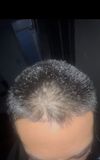
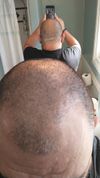
The conversation is about using a dermastamp for hair loss treatment and concerns about a potentially scam product, pp405. It suggests sticking with known treatments like finasteride and minoxidil.
The user started using a hair loss treatment regimen including 5% minoxidil spray twice daily, 1% finasteride spray once daily, microneedling weekly, and ketoconazole shampoo twice a week, experiencing significant hair shedding. The shedding is seen as a positive sign, indicating hair follicles are entering a new growth phase.
A user who has had positive results from using a regimen of microneedling, finasteride, minoxidil, peppermint oil, keto shampoo and DHT organic shampoo for hair growth. The conversation also addressed whether to use .5mg or 1mg of finasteride and the difference between dermapens and rollers.
A 19-year-old is experiencing worsening hair loss and severe seborrheic dermatitis despite using finasteride for six months. Nizoral (ketoconazole) is no longer effective, and they are seeking over-the-counter solutions and advice for an upcoming dermatologist visit.
The conversation is about a user's progress in treating diffuse hair thinning using a topical regimen including finasteride, minoxidil, ketoconazole, microneedling, saw palmetto, collagen, and vitamins, along with lifestyle changes. The user plans to switch from topical to oral finasteride for potentially better results.
A user shared progress pictures after 7 months of 5% topical Minoxidil and 3 months of 1000mg daily Pumpkin Seed oil. Replies suggest adding finasteride for better results.
A user noticed baby hairs after combing out locs and has been applying castor, rosemary, and peppermint oil daily. They are curious about progress, sharing photos from different stages.
The user reported noticeable hair improvement over four months using 1 mg of finasteride and weekly microneedling. Progress photos from October 2024 to January 2025 show positive changes.
A user experienced hair thinning and scalp issues after using a sebum-regulating shampoo and perm treatments. They are advised to consider potential allergies, try a simple shampoo, and research treatments like finasteride for possible male pattern baldness.
The conversation discusses the lack of public information on the chemical structure of PP405, a hair loss treatment, and the challenges of synthesizing it without a patent. It also explores a patent related to hydrogen-based topical formulations for reducing oxidative stress and inflammation.
Hair loss treatment using topical fin, min, saw palmetto, and occasional microneedling shows progress after 1.5 years. Microneedling frequency varies from weekly to every 4-5 weeks with 1.5mm needles.
The user experienced improved hair growth using Minoxidil twice daily, finasteride 1.25mg once daily, weekly dermarolling, supplements, and occasional ketoconazole shampoo for 5.5 months, but noticed hair shedding again after switching types of Minoxidil. Despite returning to the original Minoxidil, the user's hair condition worsened and shedding continued.
Pumpkin seed oil is discussed as a potential treatment for hair loss, but the study cited is criticized for using a product with multiple ingredients, making it unclear if pumpkin seed oil is effective. The conversation concludes with skepticism about the study's validity and mentions that pumpkin seeds might help with DHT blocking.
Hair follicles usually go dormant rather than die, and treatments like finasteride, minoxidil, and hormone therapy can sometimes reactivate them, though results vary. Complete regrowth is rare, especially in long-term bald areas, but some individuals see significant improvement with these treatments.
A 32-year-old man has been treating his hair loss with daily oral finasteride (1.25g), twice-daily topical minoxidil, weekly ketoconazole 2% shampoo, and weekly microneedling for almost three months, with no side effects from finasteride. He started with a Hamilton Norwood scale rating of 5 and has seen improvement without experiencing pain by using a 0.8mm needle length for microneedling.
A 24-year-old woman with thinning hair is using Minoxidil, saw palmetto, biotin, rosemary oil, and ketoconazole. She seeks advice on whether to try finasteride or dutasteride, the effects of Minoxidil shedding, and the significance of her hair follicle condition.
The conversation is about a user seeking help with hair regrowth treatments, specifically mentioning Setipiprant, Minoxidil, Finasteride, and RU58841. The user is trying to contact forum members for guidance on making and using these treatments.
The conversation is about using micro needling and PTD-DBM for hair loss treatment. The user applies PTD-DBM drops on weekdays and performs micro needling weekly.
The user is managing hair loss with oral finasteride, recently switching to dutasteride, and topical minoxidil, but faces challenges due to seborrheic dermatitis. They seek advice on effective regrowth methods that don't worsen their condition, with suggestions including various shampoos like Vichy Dercos and ketoconazole.
The user shared progress in hair regrowth using a Minoxidil/finasteride topical compound and Olly Biotin. A suggestion to add microneedling was made, but a dermatologist said it's beneficial but not necessary.
The conversation is about someone's improvement in hair density and hairline appearance after consistently using finasteride, topical minoxidil, dermarolling, and ketoconazole. They shared a progress picture showing the best results they've seen since starting treatment.
A user experienced increased hair shedding after taking pumpkin seed oil for 4 weeks and is unsure if it's a "dread shed" or if the oil isn't suitable. They cannot tolerate anti-androgens like spironolactone and finasteride due to side effects and are seeking advice on whether to continue with pumpkin seed oil.
A user is seeing good results with RU58841 for hair loss, noting reduced shedding and thicker hair. They plan to use pumpkin seed oil as a solvent to avoid water content, which they believe reduces the effectiveness of anti-androgens.
The conversation discusses potential hair loss treatments focusing on stimulating IGF-1 at the follicle level using growth-factor cocktails and engineered peptides, such as Acetyl Tetrapeptide-3, Copper Tripeptide-1, Oligopeptide-20, Thymosin-β4, and Palmitoyl Tetrapeptide-7. It suggests that device-assisted delivery methods like microneedling may enhance effectiveness.
The user has been using topical minoxidil and finasteride for four months, along with microneedling and Nizoral, noticing thicker lashes and eyebrows but not much scalp hair growth. They apply the treatment twice daily with a 5% minoxidil and 0.3% finasteride solution.
The conversation discusses anticipation for CB-03-01, a potential new hair loss treatment that may be more effective and have a cleaner safety profile than finasteride. Users are hopeful but cautious, discussing current treatments like minoxidil, nizoral, and dermarolling, and the possibility of combining them with CB-03-01 for better results.
The conversation discusses hair loss treatments, including minoxidil, finasteride, biotin, folic acid, zinc, micro-needling, niacin, and cipaxil, with the user preparing for a hair transplant. The user experiences side effects with topical finasteride and is hesitant to try oral dutasteride.
The user is using topical finasteride 0.1%, minoxidil 5% twice daily, red light therapy, a multi-peptide serum, and a weekly oil hair mask with various oils and ingredients. They also use ketoconazole shampoo, condition their hair, and microneedle with a dermapen, seeking advice on any changes to their routine.