The conversation discusses using topical finasteride (0.25% gel) and minoxidil (5% foam) for hair loss, with users sharing experiences about application methods, microneedling, and results. Some users have switched to oral finasteride for convenience and cost-effectiveness, while others discuss the greasy nature of the topical solution.
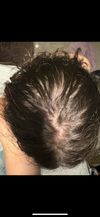
The user is considering using topical finasteride for thinning hair around the middle part, vertex, and crown, and is unsure if the whole scalp is thinning. Another user suggests oral finasteride is more effective than topical, and recommends consulting a dermatologist for proper treatment.
The user shared their 6-month progress using 0.25 mg finasteride, topical minoxidil, and dermastamping, noting good results but experiencing increased sleepiness. Another user suggested minoxidil might be causing the sleepiness, and the original poster considered adjusting their treatment.
A 32-year-old male with diffuse thinning and seborrheic dermatitis has been using finasteride for 8 months without improvement. He is considering COQ10 + PQQ supplements for scalp inflammation and hair loss.
The user is using minoxidil and topical finasteride for hair loss and is seeking advice on whether to use a derma pen or derma stamp for microneedling, including the appropriate length and frequency. They previously stopped oral finasteride due to side effects.
A female user is using a 5% RU58841 solution with 5 sprays daily and is concerned about potential reactions and the impact of wearing a bonnet. A male user mentioned using 1ml of the same solution daily via dropper.
Hair loss discussion involves PRP (platelet rich plasma) treatment. PRP doesn't stop hair loss, only promotes regrowth; minoxidil is suggested as a better alternative.
The post and conversation are about using RU58841 mixed with Minoxidil once a night for hair loss. The user experienced side effects from Finasteride and chose RU58841 instead.
RU58841 caused severe side effects like heart palpitations and shortness of breath, leading the user to stop using it. Minoxidil and finasteride were effective without side effects, while RU58841's safety and effectiveness remain uncertain.
A user needs to stop finasteride for 7 days to donate blood due to haemochromatosis. They are concerned if this break will affect their hair loss progress after 6 weeks of use.
The user has been microneedling for 4 weeks and using treatments like minoxidil and eclipta alba oil, seeing positive but slow results. They are considering peppermint oil as a potentially more effective alternative to minoxidil.
The user experienced significant hair regrowth after starting oral minoxidil (2.5mg) and dutasteride (0.5mg) daily, and is considering resuming microneedling at home with a dermapen. They are concerned about potential risks of microneedling, such as scarring, and are seeking advice on needle length and frequency.
A 26-year-old is using minoxidil 5% and finasteride 0.1% topically for hair growth, with noticeable improvement in two months, especially on the hairline. They also use a derma-stamp every 15 days and report minimal side effects.
The user has been using topical Minoxidil (5%) and finasteride (0.1%) twice daily for 2 months, with occasional missed applications. They also use a zinc pyrithione shampoo every 2 days and do not dermaroll.
A user's progress with hair loss treatments, including Dutasteride, Minoxidil (oral and topical), Microneedling, and RU58841, which resulted in positive results after 5 months. Another user commented on the faster growth at the front compared to the crown.
The conversation discusses skepticism and diminishing excitement around the hair loss treatment PP405 due to unclear trial results. It also mentions other treatments like finasteride, minoxidil, VDPHL01 (extended-release minoxidil), and GT20026 as potential options for hair loss management.
Exploring the potential of using verteporfin during hair transplants to minimize scarring and regenerate follicles, as well as discussing a possible standardized protocol for this treatment.
The conversation discusses recommendations for using topical melatonin for hair loss treatment. It also mentions Minoxidil, finasteride, and RU58841 as other treatments.
A user's experience using topical finasteride and melatonin to regrow hair, as well as their use of dermaroller versus dr. Pen for microneedling. People discussed the benefits of oral minoxidil and questioned if melatonin could help with hair regrowth.
Melatonin at a 0.0033% concentration shows results for hair loss when used topically. A user is discussing how to replicate this by adding 2mg of Melatonin to 60ml of Minoxidil solution.
A 30-year-old with diffuse thinning and a balding crown is using a treatment regimen of a 2-in-1 pill containing finasteride, minoxidil, and biotin, along with various supplements. After two weeks, no side effects have been experienced, and updates with pictures will be posted monthly.
The user is experiencing noticeable hair improvement after 4.5 months of using a treatment regimen including minoxidil, finasteride, biotin, Nioxin shampoo, microneedling, topical NANoxidil, and copper peptides. Feedback from others is positive, encouraging the user to continue the treatment for at least a year or more.
The conversation discusses using cyproterone acetate at 12.5 mg to manage hair loss, with concerns about its effects on testosterone and potential health issues. Other treatments mentioned include finasteride, dutasteride, minoxidil, and RU58841, with varying experiences and outcomes.
Scalp micropigmentation as a treatment for hair loss, and the importance of choosing a reputable practitioner to get a natural look. Different treatments such as laser removal were also discussed in relation to long-term maintenance.
DUPA and retrograde alopecia may not be solely DHT-based, and a biopsy is crucial for accurate diagnosis and treatment. Treatments mentioned include dutasteride, oral minoxidil, pioglitazone, clobetasol, calcipotriol, ketoconazole, and doxycycline, depending on the specific condition.
The user reported significant hair regrowth using a topical treatment of 0.3% finasteride and 6% minoxidil, with noticeable progress in five months. The treatment is applied once daily, and the user experienced some initial shedding but no side effects.
The user experienced concerning side effects like throat irritation, shortness of breath, chest pain, and testicle pain after using RU58841 for hair loss, despite also using finasteride and minoxidil. Other users shared mixed experiences, with one advising to stop using RU58841 due to similar side effects, while another reported significant hair loss reduction without side effects.