Search
for
Sort by
Community Join
90-120 / 1000+ resultscommunity Did you notice Dr Rassman reply on microneedling on his website
The post discusses Dr. Rassman's advice on microneedling for hair loss, suggesting holding a Dr Pen with 36 needles in one spot for 10 seconds. The conversation includes differing opinions on this method, with one user explaining the importance of dipping the pen rather than swiping to avoid abrasions.
community Microstamp guide?
Microneedling for hair loss, with concerns about cost and conflicting information on protocols. The user is unsure about purchasing and reusing microneedling stampers.
community Min without fin (unique problem)
Hair loss from headspin friction might be improved with minoxidil if follicles are healthy. Finasteride isn't needed, and microneedling is suggested.
community scrap fin/dut, it's time for handstands
The conversation humorously suggests that doing daily handstands can regrow hair by improving blood flow to the scalp, dismissing traditional treatments like finasteride and minoxidil. It satirically claims that gravity is the real cause of hair loss, with users joking about the effects of gravity on hair growth.
community Is the “crunching” sound during microneedling my scalp actually the needles cutting through hair?
The "crunching" sound during microneedling is likely the needles penetrating the scalp's outer layers, not cutting hair. Users suggest using a derma stamp instead of a roller to avoid potential hair damage.
community 2 months fin + min + dermastamping results
community 2dDR experiment. Seems to be doing something.
community After giving hair fibers a try, I can’t stop looking at myself in the mirror
User tried cheap hair fibers from Amazon, significantly improved appearance of thinning hair. Fixing spray recommended to prevent fibers from blowing off.
community blood flow and scalp tension - put up or shut up
The conversation discusses skepticism about the effectiveness of scalp tension theory and scalp massagers for hair regrowth, contrasting it with treatments like finasteride and minoxidil, which have more user-reported results. Participants question the belief in scalp tension theory, suggesting it may be a marketing tactic, while others argue for a multifactorial approach to hair loss.
community Breaking news, new method to prevent hair loss
community What derma rollers/stamps/pens do you use?
The conversation is about adding dermarolling to a hair loss treatment routine. The user seeks recommendations for dermarollers, stamps, or pens, emphasizing the importance of quality and proper cleaning.
community Which dermaroller do y'all use?
The conversation is about recommendations for microneedling tools for hair loss, with users suggesting a dermastamp from Koi Beauty and the Derminator 2 with 12-needle cartridges.
community personal progress (~8-9months) with fin(1.25mg)/min/needling/niz
A user's personal hair loss progress with treatments, including finasteride (1.25mg), minoxidil, needling, and Nizoral; and advice from other users on how to perform the needling correctly.
community Febron's Hair fiber quality is horrible now.
Febron Hair fiber quality has decreased since post-pandemic era, causing fibers to stick to fingers. Users seek better brand recommendations.
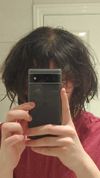
community Finasteride, Minoxidil, and Needling since march, still losing hair?
The user is experiencing hair loss despite using finasteride, minoxidil, and needling since March. They suspect needling too deeply might be an issue and have adjusted the depth recently.
community Dermastamp vs Dermaroller vs Dermapen
Dermastamp is preferred for hair growth and skin health due to fewer scars, with recommended needle sizes of 0.5-1.5mm. Dermapen is also favored over dermarollers, which are considered dangerous.
community When you add Pyril to the 100 other things you take for hair
Treating hair loss with finasteride, dutasteride and minoxidil, as well as micro-needling, potentially using research chemicals such as Pyril and Senzu Beans.
community Combining spironolactone with koshine?
Combining spironolactone with koshine might enhance the effect of blocking androgen receptors for hair loss treatment. The user suggests adding crushed spironolactone pills to koshine.
community Needling project, I'm needling half of my head
A person is experimenting with microneedling on one temple while using Minoxidil to address hair loss. They plan to needle weekly and apply Minoxidil twice daily, avoiding application around needling sessions.
community Is there anything better than fibers?
Hair loss discussion mentions fibers like toppik becoming difficult to use and questions if there's a better alternative, such as a spray or dermmatch.
community Can anyone else relate? M23. Pictures taken on the same day.
Hair looks thinner in sunlight, and users discuss using hair fibers, minoxidil, finasteride, and considering dutasteride for hair loss. Hair fibers like Toppik help conceal thinning, and some users suggest additional treatments like derma stamping and micro-needling.
community Can you use toppik or any other hair fibers without hair spray?
Using hair fibers without hair spray may not hold well in strong wind. Diffusing hair appears thicker except under intense sunlight.
community Before and after pics with Microneedling + possible confounds
The user experienced hairline improvement using microneedling once a month with a 12-pin set at 1.5-2.0mm and taking Tru Niagen, alongside a heavily modified diet. They attribute the slow hairline improvement to environmental factors, particularly diet, rather than solely genetic factors.
community My experience with Hair Fibers
Hair fibers effectively cover thin hair areas, boosting confidence and reducing stress about hair appearance. Users discuss combining hair fibers with other products like hair spray, dermmatch, and Boldify, noting challenges like blocking minoxidil absorption and the importance of color matching.
community Stem cells hairloss in panama
community For those of you that use a microneedle roller, what is the pattern you use and how many passes?
Microneedling for hair loss, with users recommending a derma stamp over a roller to avoid scalp damage. Cleaning the derma stamp with rubbing alcohol is suggested for maintenance.
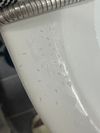
community Experiencing Short Prickly Hairs After 15 Months on Finasteride
The user has been using finasteride for over a year and noticed short, prickly hairs on their scalp that don't grow like the rest of their hair. Despite losing about 40 short hairs when washing, their overall hair density hasn't decreased.
community Fin, Dut, Min and microneedling after 1 year! (26yo)
The conversation humorously discusses hair loss treatments, including finasteride, dutasteride, minoxidil, and microneedling. The user shares progress and thanks the pharmaceutical industry, with comments on the effectiveness and side effects of these treatments.
community Finastride is a god send miracle FOR ME
.
This user experienced positive results from using a combination of minoxidil and finasteride, with no reported side effects after two months. Others have also shared their experiences with both short-term and long-term use of finasteride.