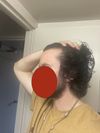
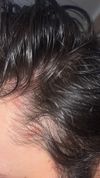
Hair loss treatment progress with Dut, Min, Keto, needling, and RU/Min/Fin/Dut topical. User noticed improvement, believes RU and needling most effective.
Hot weather can increase hair shedding, possibly due to dehydration and active sebaceous glands. Using shampoos with salicylic acid or zinc pyrithione may help; daily anti-inflammatory use is not recommended.
Switching from finasteride and topical minoxidil to dutasteride and oral minoxidil caused a major hair shed, exacerbated by moving stress. Dutasteride may take months to fully integrate, and adding finasteride might help with hair protection during this transition.
The user experienced hair shedding after starting testosterone replacement therapy (TRT) and is considering using DHT blockers like finasteride or dutasteride to address potential DHT-related hair loss. Low ferritin levels due to frequent blood donations may also contribute to hair issues, and the user is working on stabilizing iron levels.
A user's experience using dutasteride, minoxidil, ketoconazole, vitamin D, scalp massage, exercise, and avoiding vaping and 2-in-1 shampoo/conditioner to treat hair loss; they also discussed the side effects of finasteride.
The conversation is about hair regrowth progress using oral dutasteride (DUT) and minoxidil (MIN) over three months, with significant improvement noted. Users discuss potential future results and share personal experiences with similar treatments.
Trans women discuss using finasteride and dutasteride for hair loss and whether to continue after testosterone suppression. One user reduced dutasteride dosage after achieving undetectable testosterone levels.
PP405 is criticized for overhyped claims and cherry-picked data, with doubts about its effectiveness compared to minoxidil and finasteride. Many users express skepticism, emphasizing the need for more comprehensive trial results.
Mixing Dutasteride with MCT oil may improve absorption due to its fat-soluble nature. Users suggest taking it with whole milk or using oil-based capsules for better effectiveness.
A user's transformation from an accountant to a spartan with a full beard, discussing the potential of DUPA and alopecia areata, as well as treatments like vitamins, topicals, and natural treatments for potential regrowth.
The conversation discusses hair loss, with users suggesting treatments like ketoconazole shampoo, finasteride, and dutasteride. Symptoms like burning and tenderness are mentioned, with recommendations to see a dermatologist for potential scarring alopecia.
PP405 (Everychem 3HP) may help with hair regrowth, with mixed user experiences. Users often combine it with minoxidil and finasteride, but there are concerns about its efficacy and side effects.
The user is experiencing significant hair shedding after starting dutasteride, which is considered a normal part of the treatment process. Despite the shedding, the user notes some improvement in hairline appearance and is seeking advice and reassurance.
Dutasteride caused persistent hair shedding and no improvement for 18 months, leading to a switch back to finasteride. The user also uses oral minoxidil and plans to focus on better scalp health.
The user has been on a hair loss treatment for 14 months using dutasteride and oral minoxidil without seeing regrowth and is considering adding more drugs due to the psychological impact of hair loss. However, replies suggest the user may not actually be experiencing noticeable hair loss.
The user is experiencing a burning sensation on their scalp despite using finasteride and nizoral for hair loss, and is unsure if they should switch to dutasteride. They have reduced their testosterone dose but the burning persists, and a trichologist suggested it might be telogen effluvium.
A child accidentally took Avodart, leading to concerns about DHT suppression and its effects. Users humorously discuss potential consequences and treatments like DHT injections and topical solutions.
The user has been using minoxidil for years without success, but after adding DUT (dutasteride) to their routine, they have seen progress in their hair growth.
PP405 increased hair density by 20% in 31% of participants, but results are considered underwhelming. Minoxidil and finasteride are seen as more effective treatments.
Switching from topical finasteride to oral Dutasteride and using Fluridil caused persistent testicular discomfort. The discomfort did not subside after stopping Fluridil, raising concerns about Dutasteride's role.
User experienced scalp itching and hair loss, but found relief with oral minoxidil. Others suggest "DHT itch" as a possible cause and recommend finasteride and ketoconazole to address it.
Excess sebum rich in cholesterol and triglycerides can lead to hair loss through inflammation, with treatments like Ciclopirox shampoo, Benzoyl Peroxide shampoo, and Clindamycin gel recommended for managing conditions like seborrheic dermatitis and folliculitis. Pioglitazone is suggested for Lichen Planopilaris, while Omega-3s and reducing processed foods may improve sebum quality, though genetic factors play a significant role.
The conversation discusses using finasteride, dutasteride, RU58841, and testosterone to combat hair loss and block DHT, with some users expressing concerns about side effects and vegan options for medication. The discussion also touches on personal experiences with hormone treatments and the desire to maintain a youthful appearance.
The user is experiencing scalp irritation and hair thinning, possibly due to stress, with red patches on the face and dry skin. They are considering seeing a dermatologist and have used tea tree and rosemary oil.
Be cautious when sourcing PP405 or its analogs from third-party suppliers due to potential safety risks and lack of regulatory approval. The conversation highlights concerns about counterfeit products and the absence of reliable testing, making it risky to use such treatments.
Dutasteride and finasteride for hair loss, with dissatisfaction expressed about dutasteride and consideration of switching back to finasteride. Users share varied experiences, noting individual responses to treatments differ.
Switching from finasteride to dutasteride can initially increase hair shedding, but some users eventually see improvement. Experiences differ, with some finding dutasteride more effective, while others face worsening hair loss or side effects.
A user experienced significant hair shedding after 8 months of using oral dutasteride (0.5 mg), minoxidil (2.5 mg), and biotin (5 mg) daily. They are concerned about the effectiveness of the treatment and possible resistance to dutasteride.