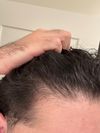
Keto 2% can dry out hair, especially wavy or curly types. Users suggest using oils like olive, coconut, or argan, and following up with a good conditioner or hair mask to maintain hair health.
Gut microbiota significantly influences androgen metabolism, impacting hair loss treatments like finasteride. Probiotics, dietary changes, and fecal microbiota transplants may help manage DHT levels and improve hair health.
The user experienced an elevated heart rate from using topical Minoxidil and discontinued its use. They found that adding a daily protein shake helped with telogen effluvium.
A 23-year-old is experiencing hair that is thick at the ends but thin at the roots despite using minoxidil and finasteride for 10 months. They are concerned about whether this is normal or a sign of miniaturization and seek advice on reversing or improving the condition.
A user reports high DHT levels despite taking finasteride and is concerned about inconsistent blood test results. They also take modafinil, vitamin D, and magnesium supplements.
A man struggled with hair loss from age 18, tried various methods without success, and finally sought medical help at 23. He was prescribed oral finasteride, topical minoxidil, and Nizoral shampoo, which after two years of consistent use, significantly improved his hair condition.
The user is experiencing hair thickening with oral minoxidil but notices worsening hairline and considers starting finasteride despite concerns about gynecomastia. They are also considering using Latisse on their hairline and seek advice on potential outcomes and experiences with these treatments.
TE (telogen effluvium) is often misunderstood and is triggered by severe stress or trauma, not minor daily inconveniences. Most hair loss cases are due to male pattern baldness (AGA), and treatments like Minoxidil and finasteride can help.
A user is experiencing hair loss and has been using topical finasteride for 3.5 months, with increased shedding for 2.5 months. They are also using ketoconazole shampoo, low-level laser therapy, scalp massage, and rosemary oil, and are seeking reassurance and advice on whether prolonged shedding is normal and if others have had positive outcomes with finasteride.
A 31-year-old male shares his 4-month progress in treating hair thinning with tar shampoo, 5% topical minoxidil, and finasteride. He reports thicker hair, no folliculitis, and no significant side effects, except increased libido.
The user has been taking 0.5 mg of dutasteride daily and using ketoconazole shampoo twice a week for four months, but sees no significant hair loss improvement. Others in the conversation believe the user is not experiencing hair loss and suggest the user might be overly concerned about their hairline.
A user expressed concern that minoxidil might have poisoned their cat, leading to heart and lung issues, but others suggested it was unlikely due to minimal exposure. Some users recommended switching to oral minoxidil or using protective measures like a bonnet to prevent potential contact with pets.
Mango oil may inhibit DKK1 and DHT, potentially aiding hair growth by activating the Wnt signaling pathway. A user plans to test mango leaves juice and other Ayurvedic products for hair regrowth.
The conversation discusses hair loss treatments, emphasizing the importance of patience and sticking with a treatment for at least 12-18 months before judging its effectiveness or adding new treatments. Users share experiences and agree that introducing treatments too quickly can lead to panic and negative outcomes.
The conversation discusses adding Nizoral (Ketoconazole shampoo) and castor oil to a hair loss regimen. Users suggest trying Nizoral due to its potential benefits and low cost.
The user is experiencing hair thinning and bald spots, using Nizoral, rosemary oil, fluocinolone, and receiving PRP treatments. They are considering oral minoxidil and finasteride but are hesitant due to age and financial constraints.
Excess Vitamin A and topical retinoids can cause diffuse hair shedding. The user suspects their chronic telogen effluvium may be linked to using adapalene, a topical retinoid.
User experienced hair growth with finasteride and minoxidil, but after using tretinoin, faced aggressive thinning and hair loss. They plan to stop tretinoin for two months to see if the problem improves.
The regimen for hair loss includes topical finasteride, clascoterone, tretinoin, minoxidil, oral saw palmetto, beta-sitosterol, vitamin D, microneedling, and anti-fungal shampoo. Expected benefits are increased hair growth and density, with considerations for potential skin irritation and interactions between treatments.
The user experiences increased dandruff from daily use of minoxidil and finasteride, and seeks shampoo recommendations for an oily scalp that can address dandruff and aid hair restoration. They found Anaphase and an Indian herbal shampoo ineffective.
The user experienced significant hair shedding after starting finasteride, RU58841, and topical minoxidil. They increased their finasteride dosage and added dutasteride, seeking advice on whether this reaction is normal and its duration.
The user experienced side effects like shallow breathing, loss of libido, and erectile issues after using topical finasteride with minoxidil for hair loss. They are considering whether to continue the treatment despite these side effects.
A user with kidney disease and high blood pressure experienced hair thinning, especially around the vertex. They are currently using finasteride and oral minoxidil but are considering whether to resume blood pressure medication despite managing symptoms with diet and exercise.
The user improved their hair density and reduced scalp visibility by using 1% ketoconazole shampoo, 1mg finasteride, and 5% minoxidil, which increased their confidence. Replies discuss the effects of these treatments, with one clarifying that minoxidil does not affect hormones but finasteride does.
A user is experiencing anxiety and insecurity about hair loss despite using finasteride for 19 months and oral minoxidil for 6 months. They are seeking advice on whether stress, scalp testosterone, or switching treatments could help, and are considering a buzzcut.
The user noticed increased hair loss over the past three years and is seeking advice. A suggestion was made to consult a dermatologist or trichologist and consider blood tests, particularly for vitamin D levels, to address potential androgenetic alopecia (AGA).
A user's successful hair regrowth journey using a cocktail of finasteride, minoxidil, and ketoconazole. The user started seeing noticeable results after 8 months and also incorporated saw palmetto, biotin, keratin, and dermarolling into their routine.
The user started finasteride and derma rolling for hair loss, later switching to wet cupping therapy. They experienced initial shedding but reported thicker, healthier hair over time, using natural hair wash methods like Amla, Reetha, and Shikakai.