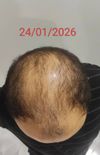
Bicalutamide and spironolactone are being compared for their effectiveness and safety in treating female pattern hair loss. The conversation seeks advice on which is better to use.
The user experienced significant hair regrowth using oral minoxidil and dutasteride over several months. Many commenters praised the progress and suggested additional treatments like microneedling for further improvement.
After 10 months, the user's hairline and midscalp look thick following a 6100 graft FUE hair transplant in Turkey. They plan to address the crown in a few months.
The conversation is about the effectiveness of low-level laser therapy (LLLT) caps for hair regrowth. One user suggests saving money, implying LLLT caps may not be beneficial.
Hair cloning is being developed by companies like Kangstem Biotech and Stemson, with potential availability in a few years. Initial costs are expected to be high, but prices may decrease over time.
An 18-year-old is experiencing positive hair regrowth results using 2.5mg minoxidil, 0.5mg finasteride daily, and dermarolling twice a week. They are satisfied with the progress and hope for continued improvement.
The user is experiencing hair regrowth after using 0.5mg dutasteride daily, 8% topical minoxidil twice daily, 2.5mg oral minoxidil daily, a 1.5mm derma stamp weekly, and keto shampoo 2-3 times weekly for two months. The progress is considered good, though there is a concern about scalp inflammation.
The user shared progress pictures showing hair growth after six months of using topical minoxidil twice daily, finasteride once daily, derma rolling every four days, and initially taking zinc and vitamin D. They also used scalp massaging techniques with minoxidil.
User sees subtle regrowth after two months using topical dutasteride, oral minoxidil, dermastamp, and oral castor oil. Others suggest waiting a few more months to properly evaluate results.
The user experienced notable hair regrowth after 2.5 months using oral finasteride, oral minoxidil, and microneedling. They switched from topical to oral minoxidil for convenience and reported no side effects.
The conversation is about a user's impressive hair recovery over 14 months using 0.5mg dutasteride, 5% topical minoxidil, saw palmetto shampoo, and occasional microneedling. The results are highly praised by others, with many expressing admiration and hope for similar outcomes.
The conversation is about a user's 13-month progress using oral finasteride and topical minoxidil for hair loss, showing significant improvement but considering a hair transplant for increased density. The user also takes biotin and saw palmetto, uses Hims shampoo, and plans to consult a surgeon for potential grafts.
The user experienced significant hair regrowth using oral finasteride 1.25mg daily and a Capillus RX laser cap, with no side effects. Improvement was noticed after 9 months, and shedding stopped after the initial 4-5 months.
The user experienced significant hair regrowth using topical finasteride/minoxidil and oral minoxidil/dutasteride, with some mild side effects that diminished over time. They plan to add microneedling to their regimen and have seen hair shedding cycles every six months, followed by thicker regrowth.
Nearly 40% of adults with alopecia areata achieved at least 80% scalp hair coverage after 52 weeks of taking OLUMIANT® 4-mg. The conversation distinguishes this success from androgenetic alopecia, which is a different type of hair loss.
The conversation is about a user's hair regrowth after 2.5 months using topical minoxidil. Some suggest adding finasteride for long-term results, while others share their experiences with side effects or alternative treatments like dermarolling and dietary improvements.
Several new hair loss treatments are in development, with Cosmo Breezula and Kintor KX826 being the furthest along, expected to be commercialized by 2027. Veradermics is the only treatment in pill form, while others like KX/GT/Breezula will be topical.
The user is experiencing reduced hair shedding and increased hair density after using finasteride, minoxidil, derma rolling, granactive retinoid, and Nizoral, while also taking testosterone and aromatase inhibitors. They question if they are a hyper responder to the treatments, despite mixed feedback from others about visible progress.
The conversation is about someone's hair regrowth after 1.5 months using natural treatments, specifically a dermaroller and a mix of peppermint, pumpkin seed, and rosemary oils. A reply congratulates them and encourages them to maintain their routine.
The user is using finasteride, dutasteride, minoxidil, and microneedling for hair regrowth, noting increased hair density and no side effects. They plan to update progress at the 6-month mark.
The user experienced hair regrowth and thickening using 1mg oral finasteride, 3mg oral minoxidil, biotin, vitamin D, red light therapy, and microneedling. Some shedding occurred around 4-6 weeks into the treatment.
The conversation discusses the delay in the release of GT20029 for hair loss treatment and skepticism about its effectiveness. Participants mention other treatments like verteporfin and advancements in transplant procedures as more realistic options.
The user started using 5% topical Minoxidil twice daily and 1mg Finasteride daily, along with weekly dermarolling, about three months ago and believes they see improvement. Other users agree, noting better crown appearance and overall good progress.
A 28-year-old male shared his 2.5-month progress using 1 mg finasteride every other day, minoxidil daily, and occasionally castor oil and dermarolling. He also stopped using hair products daily.
The user switched from finasteride to dutasteride while continuing minoxidil and microneedling, seeing gradual hair regrowth. They are considering adding oral minoxidil and possibly a LLLT helmet for further improvement.
PP405 shows promise as a hair loss treatment, with 31% experiencing increased hair density in a short trial. It may complement treatments like finasteride and minoxidil, but long-term effectiveness and safety need confirmation.
The post discusses the confusion about the optimal microneedling depth and frequency for hair growth, and when to apply treatments like minoxidil. A reply suggests the best method is using a 1.25mm depth every 7 days with a specific device, holding it for 10 seconds to stimulate hair growth.
A 21-year-old female shared her 4-month hair growth progress using Minoxidil 5%, finasteride 1mg, Theradome LLLT, Viviscal vitamins, and PRP treatments twice. Commenters praised her progress and discussed other treatments like microneedling, but she noted her dermatologist advised against it due to potential scalp damage.
The user started using minoxidil at 19 for receding temples and saw good regrowth, but experienced severe and lasting sexual side effects from finasteride. They improved their condition with pelvic floor exercises, a healthy lifestyle, and continued using minoxidil with dermarolling, which led to further hair regrowth.
The user reports that their hair loss treatment with oral minoxidil, dutasteride, finasteride, topical minoxidil, ketoconazole shampoo, and microneedling has plateaued, with no significant additional regrowth. They have stopped using creatine to simplify their regimen and are relieved with the current state compared to before treatment.