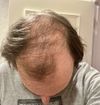
A 20-year-old is experiencing hair thinning and seeks advice on starting treatment and regrowing hair. They are considering using Minoxidil, finasteride, or RU58841.
Some users experience worsening hair loss with dutasteride and improvement after switching back to finasteride, while others find better results with dutasteride. The effectiveness of treatments like finasteride, dutasteride, minoxidil, and RU58841 varies, requiring individuals to try different combinations or dosages to find what works best.
The conversation discusses the effectiveness of natural remedies like scalp massages and oils for hair loss, with some users advocating for proven treatments like minoxidil and finasteride. The original poster prefers natural methods, while others argue that pharmaceuticals are more effective in combating hair loss.
PP405 and ABS-201 are promising treatments for male pattern baldness. PP405 shows rapid hair growth in human trials, while ABS-201 shows significant regrowth in animal studies but is still in early human trials.
The user has been using finasteride daily, scalp massages, micro-needling, and Nizoral shampoo for hair loss, with noticeable progress after 9 months. They are considering adding minoxidil but are hesitant due to concerns about long-term commitment.
PP405 is a promising hair loss treatment that may outperform minoxidil and finasteride by reviving dormant follicles and promoting significant regrowth. Results from ongoing trials are awaited, with a potential market release between 2028-2030.
The user is experiencing diffuse hair loss despite using finasteride and dutasteride and is considering adding minoxidil, microneedling, or RU58841. They are also thinking about increasing the dutasteride dose or opting for a hair transplant, while being cautious about side effects.
Finasteride is effective for hair loss, with significant results after consistent use, and minimal side effects reported. Users discuss dosage, shedding, and combining treatments, with some considering adding Minoxidil or switching to Dutasteride.
A 36-year-old achieved significant hair improvement and stability over 26 months using oral finasteride, minoxidil foam, microneedling, and ketoconazole shampoo, with no side effects. Patience and consistency were crucial for increased hair density and reduced shedding.
Hair loss is distressing, with treatments like finasteride, minoxidil, and spironolactone commonly used despite potential side effects. Emphasis is placed on maintaining mental health and self-worth beyond hair appearance.
Finasteride is generally seen as more successful for hair loss than Dutasteride, with fewer negative experiences reported. Dutasteride is considered more effective but often leads to more complaints, possibly due to higher expectations or improper use.
Creatine can cause increased hair loss in some people, particularly those with a predisposition to androgenic alopecia, but hair loss often stops after discontinuing its use. Some users experience no hair loss while using creatine.
Buzzing or shaving your head can boost confidence and save money on hair loss treatments. Some prefer treatments like finasteride and minoxidil to maintain their hair.
Having hair improves social interactions and treatment by others, with hair transplants and finasteride enhancing confidence and attractiveness. People often receive more positive attention after addressing hair loss.
PP405 is expected to be on the market between 2027 and 2030, with phase 3 trials starting in 2026. There is skepticism about its fast-tracking due to its cosmetic nature, and it may appear on the gray market sooner.
Dutasteride is generally considered more effective than finasteride for hair regrowth, with some users experiencing better results, especially at higher doses. However, individual responses vary, and some users report side effects or no response to either treatment.
Minoxidil is highly toxic to pets, particularly cats and dogs, and there is a call for proper labeling to warn pet owners. Despite some skepticism about the effectiveness of petitions, many agree that awareness and caution are necessary to prevent accidental poisoning.
A user successfully regrew hair over 20 months using oral dutasteride and minoxidil, with no significant side effects. They are satisfied with the results but may consider a hair transplant for more density.
Creatine does not cause hair loss, but some users report hair loss while using it. Minoxidil and finasteride are mentioned as treatments for hair loss.
A woman experienced significant hair regrowth after six months of using dutasteride and minoxidil, despite initial hair loss due to androgenetic alopecia. She reported minimal side effects and highlighted the effectiveness of these treatments for women, despite doctors' hesitancy to prescribe them.
Finasteride, dutasteride, and minoxidil are discussed as effective hair loss treatments, with mixed opinions on their use and side effects. The conversation highlights a divide between supporting medical treatments and accepting baldness.
A 31-year-old woman is using Dutasteride (0.5mg daily) and supplements like a multivitamin, Herbadal, pumpkin seed oil, and vitamin D for genetic hair loss, noticing thicker hair but no new growth after one month. She is considering adding minoxidil and is aware of Dutasteride's risks, especially regarding pregnancy.
A young person is distressed about rapid hair loss despite using finasteride and recently starting oral minoxidil. Many suggest continuing treatment, considering dutasteride, and seeking therapy for mental health support.
Nicotine use, especially from vaping, may worsen hair shedding and reduce the effectiveness of finasteride and dutasteride. Quitting nicotine seems to improve hair health.
PP405 shows promise in hair regrowth, with 31% of participants experiencing over 20% increase in hair density after 8 weeks. Phase 3 trials are expected in 2026, with potential market availability by 2029-2031.
Bald men can still attract partners, as personality and confidence often outweigh hair loss. Treatments like finasteride and minoxidil are used, but self-acceptance and personal satisfaction are key.
The user has been using oral finasteride, minoxidil, and supplements for six months with some progress in hair loss treatment. They are considering a hair transplant and have been advised to continue the current regimen for 12-18 months, possibly adding microneedling or trying dutasteride.
The user experienced significant hair regrowth using 5% topical minoxidil and 1mg finasteride daily, despite multiple shedding phases, and emphasizes the importance of starting treatment early and maintaining consistency. They advise against obsessing over online forums during shedding periods and recommend checking for scalp conditions like seborrheic dermatitis and ensuring proper nutrition.
The hair transplant at Eugenix in New Delhi resulted in poor density and texture, with only about 2,500 grafts surviving out of 4,500. The user is considering holding the clinic accountable and exploring options like shaving, using hair fibers, or seeking another transplant.
Minoxidil is highly toxic to cats and can be fatal with minimal exposure. Users suggest switching to oral minoxidil or taking precautions to prevent pet exposure.