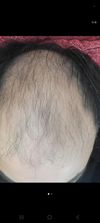
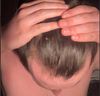
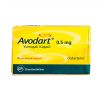
The user is considering using dutasteride 0.5 mg daily for hair loss and is contemplating a hair transplant after a year. They are seeking opinions on progress and potential outcomes.
The user is experiencing rapid hair loss despite using dutasteride, minoxidil foam, and ketoconazole shampoo, and is concerned about waiting longer to see results. A suggestion was made to consult a dermatologist for a tricoscopy and consider higher doses of dutasteride, while also checking for nutritional deficiencies and thyroid issues.
The discussion revolves around the need for future oral DHT blockers for hair loss treatment that don't have the side effects of current options like Finasteride and Dutasteride. One user suggests that the future of hair loss treatment will likely be topical anti-androgens, as they can target hair follicles without affecting the entire system.
17-alpha-estradiol may work for hair loss by inhibiting 5-alpha reductase, similar to finasteride. It might lower testosterone in the scalp, reducing DHT conversion.
OP reports that after 3 months on 2.5mg dutasteride, their hair has stopped falling out and is thick again, but they are considering stopping due to potential mood and energy side effects. Other users discuss experiences with finasteride, dutasteride, and side effects, with some suggesting lower doses or alternative treatments like topical applications.
A 23-year-old male is using finasteride (1mg daily), derma rolling, and Nizoral for hair loss treatment, experiencing increased shedding and side effects like anxiety, decreased libido, and fatigue. Despite no positive changes in hair after three months, he plans to continue finasteride and may consider RU58841 or CB as future treatments, avoiding minoxidil due to past negative experiences.
The user is experiencing continued hair loss despite using finasteride, dutasteride, and minoxidil, and is advised to improve diet, check for deficiencies, and consider other treatments like microneedling. Suggestions include sticking with the current regimen, considering a hair transplant, or accepting hair loss and shaving.
Oral DHT blockers like finasteride are preferred for their ease of use, effectiveness, and long-term safety data, while topical treatments like RU58841 lack extensive safety data and can be more cumbersome to apply. Oral treatments are generally considered more effective and convenient despite potential side effects.
The post and conversation are about the long-term side effects of using Dutasteride and Finasteride for hair loss, including issues like raised liver enzymes, high cholesterol, and loss of libido. The user advises regular blood work and careful monitoring for those using these treatments.
Spironolactone is more potent and lowers testosterone and DHT, while dutasteride only impacts DHT. For female hair loss, checking hormones and considering treatments like oral minoxidil, spironolactone, or topical minoxidil is recommended.
Finasteride significantly increased testosterone levels for the user, with no major side effects except watery semen, which was resolved with zinc supplements. The user's hairline stopped receding and slightly improved.
The user plans to start a 12-month finasteride treatment to combat aggressive hair loss, with regular monitoring of thyroid levels, testosterone, DHT, liver enzymes, PSA, and iron levels. They seek advice on additional monitoring and aim to balance results with minimal side effects.
A 25-year-old male with 10 years of hair loss is using minoxidil and considering adding finasteride or dutasteride, possibly with microneedling, to improve hair regrowth before a hair transplant. Community members suggest starting a DHT blocker immediately, considering oral minoxidil, and addressing low vitamin D and HDL levels.
Switching from finasteride to dutasteride led to significant hair regrowth and thickening for the user, who also uses ketoconazole shampoo. The user experienced increased libido and encourages others not to be discouraged by negative opinions about dutasteride.
Saw palmetto can help reduce DHTlevels and may work in combination with other supplements like beta sitosterol and pygume, but it's less effective than finasteride. Additional treatments like pumpkin seed extract, zinc, biotin, essential oils, scalp massages, and micro-needling can support hair health, but should not replace existing treatments like finasteride.
User Basic_Football999 discusses concerns about negative dutasteride experiences. Replies suggest dutasteride is effective, but some users may have issues with dosing frequency or genetic factors affecting results.
The user is considering starting dutasteride (DUT) 0.5mg for hair loss due to lack of access to finasteride and is concerned about potential side effects. They seek guidance on whether to begin this treatment.
A 19-year-old using a DHT blocker and experiencing hair regrowth wonders if significant thickening will occur between 12-18 months or later. The discussion involves treatments like oral minoxidil and finasteride.
Checking vitamin and hormone levels is important for addressing hair loss, as deficiencies in vitamin D, zinc, and iron can affect hair growth. Treatments like finasteride, minoxidil, and vitamin supplements are used, but addressing deficiencies is crucial for effectiveness.
A 25-year-old uses oral minoxidil, dutasteride, and a shampoo with minoxidil and ketoconazole for hair loss, experiencing progress and increased body hair. Users discuss the effectiveness of these treatments, with some suggesting that dutasteride is primarily responsible for hair thickening.
The conversation discusses using low-dose topical finasteride, specifically 0.005% and 0.01%, for hair regrowth, with some users considering increasing the concentration for better results. Users share experiences with different dosages and combinations, including minoxidil, and discuss the effectiveness and availability of these treatments.
A 21-year-old is experiencing hair loss and is unable to use finasteride due to side effects, expressing frustration and depression. Others suggest topical DHT blockers like alfatradiol, spironolactone, and pyrilutamide, and mention using minoxidil and lifestyle changes.
The user has been using dutasteride 0.5mg and oral minoxidil 2.5mg for 1.5 years and is concerned about hair loss despite visible improvement. Others suggest continuing the treatment, adding microneedling, PRP sessions, or consulting a doctor for further advice.
The conversation discusses a user's 6-month progress in treating hair loss using finasteride, minoxidil spray, DHT shampoo (Spartan), and dermarolling. The user shares their experience and others inquire about the DHT shampoo's function.
A 21-year-old male shared his extensive hair loss treatment protocol, which includes Dutasteride, RU58841, Ketoconazole shampoo, oral Minoxidil, pyrilutamide, MK677, dermastamping, and castor oil, and reported improved hair regrowth and overall well-being. He has experienced no side effects and has also improved his diet and lifestyle.
A 22-year-old male with male pattern baldness wants to use minoxidil and finasteride but can't find topical finasteride. He is considering natural DHT blockers like saw palmetto and caffeine and seeks advice on their effectiveness.
User "manlycoffee" shares 25-month progress using Dutasteride, RU58841, Minoxidil, Microneedling, Nizoral, T/GEL, and fixing vitamin D levels for hair loss. Users discuss sources, experiences, and side effects of treatments.
OP increased their dutasteride dosage from 0.1mg to 0.5mg and initially saw regrowth but is now experiencing significant hair shedding. They are concerned if this shedding is normal or if they should revert to the lower dosage.
Dutasteride at 2.5mg is considered a potential hair loss cure due to its DHT-blocking ability, but there are concerns about side effects and individual responses. Minoxidil, finasteride, and RU58841 are also discussed, with mixed opinions on their effectiveness and safety.