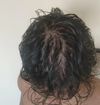
Poor diet and lifestyle contribute to male pattern baldness. Treatments like Minoxidil, dietary changes, and lifestyle adjustments may help slow hair loss.
A user experienced increased hair shedding and unchanged DHT levels after taking 0.25mg of finasteride for 47 days, leading them to increase the dose to 0.5mg. Others discussed varying experiences with finasteride, minoxidil, and the importance of measuring scalp DHT.
The treatment for androgenetic alopecia involves using finasteride and minoxidil with intense exercise and cold exposure to boost metabolism and reduce androgenic effects, potentially leading to hair regrowth. This approach may activate biological pathways for improved hair and overall health.
A 25-year-old man with hair loss from bleach damage is using oral minoxidil and considering adding Dutasteride for better regrowth and prevention. He seeks advice on Dutasteride's effectiveness and potential benefits over finasteride, and is also curious about RU58841.
The conversation discusses the potential of long-chain unsaturated fatty acids, like oleic and linoleic acid, as an additional treatment for hair loss, which may inhibit the enzyme responsible for converting testosterone to DHT and promote hair growth. Users humorously suggest using oils topically and discuss other hair loss treatments, but the main focus is on the science behind fatty acids and their role in hair health.
A 19-year-old has been using finasteride, minoxidil, and microneedling to treat hair loss with no regrowth, feeling mentally affected by it. Advice given includes continuing treatment, considering a hair transplant, addressing potential vitamin deficiencies, and possibly switching to dutasteride or adding ketoconazole shampoo.
A user is organizing a group buy for various compounds aimed at reversing hair loss and gray hair, and improving brain health and fat loss. The user has developed a treatment plan based on extensive research and is inviting others to participate, with the option to choose only the compounds they need.
The post and conversation are about a user's progress with microneedling and minoxidil for hair loss. The user is happy with the progress and plans to continue with the treatment, without using finasteride.
User has used Finasteride, Minoxidil, and derma roller for 8 years to treat hair loss but is still losing the battle. Others suggest trying Dutasteride, oral Minoxidil, RU58841, or considering a hair transplant.
A new study that found a single chemical could potentially be responsible for hair loss, and the potential to use this discovery to stimulate hair growth. The conversation also includes various treatments such as Minoxidil, Finasteride, RU58841, microneedling, DUT, and Botox for hair loss.
User's 2-month progress with hair loss treatment includes Ket 3x a week, Min 2x a day, Dut 0.5 every other day, Vit D 125mcg daily, and PRP once a month. Users discuss treatment effectiveness, side effects, and alternative solutions.
A user is using oral finasteride, oral dutasteride, and drinking topical minoxidil for hair loss, despite health warnings. Switching from finasteride to dutasteride did not improve hair density.
A 31-year-old man, between Norwood 4 and 5, is considering hair loss treatments like finasteride and minoxidil but is concerned about side effects. He is exploring options with doctors and considering a hair transplant, noting that some clinics require medication before and after the procedure.
The post and conversation are about a user claiming to be 137 years old with a full head of hair. Specific treatments mentioned include dutasteride, RU58841, and minoxidil.
Hair loss treatments include finasteride, minoxidil, microneedling, dutasteride, CB-03-01, RU-58841, and experimental options like KY-19382 and stem cell therapy. Some treatments are considered ineffective or risky, such as ketoconazole, PRP, and low-level laser therapy.
Users discussed hair loss treatments, specifically minoxidil and finasteride. They shared personal experiences and advice on starting these treatments early.
Microneedling and Platelet-Rich Plasma (PRP) are equally effective for treating androgenetic alopecia, with no additional benefits from PRP over microneedling. Both treatments are safe and well-tolerated.
PRP therapy cannot make oral minoxidil's effects permanent, as minoxidil does not stay permanently in the system. Dosage of oral minoxidil is typically increased gradually, but there is a limit, and it should not be increased indefinitely.
Topical finasteride results in plasma levels 100 times lower than oral finasteride, potentially reducing systemic side effects. Users report similar efficacy with fewer side effects, suggesting a preference for topical application.
A 27-year-old male experienced rapid hair loss after dengue fever, which activated a balding gene. The doctor suggested platelet-rich plasma treatment for hair regrowth.
A 27-year-old male experiencing hair loss post-Covid is considering PRP (platelet-rich plasma) therapy. He's seeking personal experiences about the process, particularly regarding pain levels, despite his dermatologist's assurance of using local anesthesia.
Someone's brother tried Platelet-rich plasma (PRP) for hair loss; it had minimal effect on hair but improved skin appearance. Microneedling at home was suggested as a more sustainable alternative.
Hair loss discussion includes treatments like Minoxidil, finasteride, and RU58841. Platelet rich plasma treatment is considered expensive but cheaper than hair transplant.
PRP treatment for hair loss shows some evidence of effectiveness, with HT surgeons using it post-op to promote growth. Microneedling is mentioned as a cheaper alternative.
The user wants to donate plasma to save for a hair transplant but can't take finasteride or dutasteride due to plasma center restrictions. They are considering using minoxidil and biotin instead and are seeking advice on alternative treatments.
A 24-year-old experiencing severe hair thinning has been using minoxidil for 2 years but is still shedding hair. A doctor recommended plasma treatment over a DHT blocker for better and healthier results.
The conversation discusses alternatives to Platelet-rich plasma (PRP) for treating androgenic alopecia. Treatments mentioned include Minoxidil, finasteride, and RU58841.
User started minoxidil, noticed forehead lines and dark circles, and asked for non-invasive skin aging prevention methods. Another user suggested using tretinoin and hyaluronic acid for long-term benefits.
GentleIris stopped hormone-induced hair loss with diet changes but couldn't regrow lost hair. A reply suggested microneedling instead of Platelet-Rich Plasma Therapy (PRP) for hair regrowth.