Finasteride can increase estrogen levels, causing dizziness and nausea. Users discuss adjusting treatment and diet, and explore alternatives for hair loss management.
Dutasteride is favored over finasteride by some for better hair loss reversal, improved skin, and fewer side effects, though individual responses vary. It may also help with dandruff and eczema but has a slightly higher risk of gynecomastia.
Switching from finasteride to dutasteride for hair loss yields mixed results, with some users experiencing improvements and others facing worsening conditions or side effects like shedding. Patience is advised as dutasteride may take longer to show results, and combining treatments is suggested by some users.
A user convinced their 45-year-old dad to use minoxidil and finasteride, resulting in significant hair regrowth. The dad now uses 1mg of finasteride daily and topical minoxidil twice a day, and has also started using 1% ketoconazole shampoo.
A 19-year-old male shared his 3-month hair regrowth progress using finasteride, minoxidil, and microneedling, with noticeable improvement. He uses 1mg oral finasteride daily, 5% minoxidil foam twice a day after day 80, and microneedles with a 1.5mm derma stamp every 1-2 weeks.
Nutrafol, a hair loss supplement, has limited and potentially biased research, with one study showing a 10% increase in hair count for women after 6 months but no significant results for men. The user concludes that cheaper, well-studied options like minoxidil may be more effective, especially for men, given the lack of evidence supporting Nutrafol.
A user reported success with RU58841 and a 1mm derma roller for hair regrowth, noting significant improvement in hair density and reduced scalp visibility. They also mentioned using minoxidil and black castor oil in the past, with mixed results.
People notice more young individuals experiencing hair loss and discuss possible reasons, such as diet, hormones, and stress. Some treatments mentioned include finasteride, dutasteride, and minoxidil.
Dutasteride has a larger volume of distribution than finasteride due to its lipophilic nature, allowing it to concentrate in hydrophobic areas and making it difficult to excrete. A user experiencing hair loss has been using oral finasteride for 10 months with minimal regrowth and is considering switching to dutasteride or adding oral minoxidil.
User experienced hair regrowth after eliminating scalp itch with RU58841. Others discussed itch and hair loss connection, and effectiveness of combining RU58841 with 5AR inhibitors.
A 36-year-old achieved significant hair improvement and stability over 26 months using oral finasteride, minoxidil foam, microneedling, and ketoconazole shampoo, with no side effects. Patience and consistency were crucial for increased hair density and reduced shedding.
Switching generic finasteride manufacturers can reduce side effects while maintaining effectiveness. Different fillers in generics may affect bioavailability and cause varying side effects.
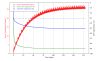
A Dutasteride Simulator predicts serum dutasteride, serum DHT, and scalp DHT levels using models from research papers. It simulates various dosing schedules to determine steady-state effects and visualizes outcomes, including hair growth-related scalp DHT suppression.
A user speculates that a fast metabolism might affect the effectiveness of dutasteride for hair loss. Another user argues that drug response is unrelated to metabolism speed.
A 25-year-old man with hair loss from bleach damage is using oral minoxidil and considering adding Dutasteride for better regrowth and prevention. He seeks advice on Dutasteride's effectiveness and potential benefits over finasteride, and is also curious about RU58841.
A user shared progress pictures showing hair regrowth after using a homemade oral solution of 1 mg dutasteride and 2.5 mg minoxidil. Commenters noted significant improvement and increased body hair.
Finasteride and Propecia are essentially the same, but some people may respond differently due to inactive ingredients. If cost is not an issue, Propecia is preferred due to better quality control and consistent results.
Dutasteride's half-life varies with dosage, and lower doses can be effective with fewer side effects compared to finasteride. Some users report different side effects with dutasteride and finasteride, and extreme dosages of dutasteride are unnecessary and potentially harmful.
A user shared a 25-day progress picture showing significant hairline restoration attributed to microneedling, in addition to using minoxidil and finasteride for 6 months. Other users discussed needle length, frequency, and whether the effects of microneedling are permanent.
A 24-year-old male using dutasteride for hair loss is worried about its effects on fertility and future children's health. Users advise consulting a doctor, possibly switching to finasteride, or stopping dutasteride before conception due to its impact on sperm count.
P-1075 is a more potent hair growth agent than Minoxidil, but it poses significant heart risks, making it unsafe for use. Despite promising results in macaques, concerns about its cardiotoxicity in rats have halted its development.
Low-dose oral minoxidil is used for hair loss and does not significantly affect blood pressure but may increase heart rate and cause hypotensive symptoms. Some users experience side effects like palpitations and shortness of breath, while others find it effective; topical minoxidil with tretinoin is also considered.
User experienced hair loss after surgery and was diagnosed with TE. The doctor recommended PRP therapy, Finasteride, Anatrix pro Hair Serum, a multivitamin, and a lotion and shampoo containing Zinc Pyrithione.
A 26-year-old male with high testosterone is experiencing diffuse hair thinning despite using a comprehensive treatment regimen including dutasteride, oral minoxidil, RU58841, ketoconazole shampoo, microneedling, and low-level laser therapy. Suggestions include adjusting dutasteride dosage, monitoring iron levels, and consulting a dermatologist for further evaluation.
Doctors are testing verteporfin topically for healing and potential regeneration after transplants. The user is asking how it is formulated for topical use, such as if it's mixed with a carrier gel.
A user applied the 8T3 product for hair loss, targeting LPP and AGA, and plans to update on its effectiveness. The product uses a saline buffered phosphate vehicle, suitable for those intolerant to ethanolic vehicles.
The user is concerned about high prolactin levels and low testosterone levels after stopping finasteride for three weeks. They are considering resuming finasteride but are worried it might further increase prolactin levels.
Experimenting with trestolone as a treatment for hair loss in an attempt to avoid DHT-related treatments such as finasteride and dutasteride, and discussing the potential effects of its receptor selectivity on the androgen receptors in the scalp.
The user shared their bloodwork results showing DHT at 17 ng/dl and testosterone at 287 ng/dl, with a slight Vitamin D deficiency. They are seeking opinions on these levels and have an upcoming dermatologist appointment.