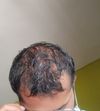
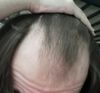
The conversation discusses starting topical finasteride for hair loss, with concerns about high dosages. It suggests starting with a lower concentration, like 0.1% or 0.3%, especially with liposomal versions.
The conversation is about the potential side effects of using verteporfin in conjunction with a hair transplant. Specific treatments discussed include verteporfin, a hair transplant (HT), minoxidil (Min), finasteride (Fin), and RU58841 (RU).
A 19-year-old reports positive hair regrowth using oral minoxidil and finasteride, with no side effects. The conversation includes advice on consulting a dermatologist and exploring alternative treatments.
PP405 might take 3-4 years to be available, but some claim Everychem offers a similar product, though its effectiveness is debated. Users discuss the risks of using untested grey market products and the potential for adverse effects.
The user has scheduled a hair transplant after stabilizing hair loss with finasteride and minoxidil, considering additional dermarolling. They are advised to use 2500-3000 grafts conservatively for temple filling without lowering the hairline too much.
The user has been using a topical solution of minoxidil 5% and finasteride 0.025% daily, along with dermastamping every two weeks and ketoconazole shampoo twice a week for four months. The treatment is for hair loss.
Scalp inflammation may contribute to hair thinning, with treatments like ketoconazole shampoo potentially helping by reducing inflammation. Some users report that DHT blockers and other treatments like finasteride, minoxidil, and RU58841 can alleviate symptoms associated with inflammation.
Hair loss progress discussed with 4.5 months on topical fin (0.025% liposomal). User uses rosemary oil for scalp health, and others think there might be some thickening or maintenance.
A 21-year-old male has been using finasteride and minoxidil for four months with little progress in hair regrowth, despite adding microneedling and rosemary oil to his routine. Users suggest patience, maintaining the current treatment, and possibly simplifying the routine by dropping rosemary and microneedling.
David Barreto shared that a London-based research group is conducting a 12-month trial for a new nutraceutical treatment for pattern hair loss, designed with Dr. Carlos Puig. The trial aims to provide robust data, with results expected in 1-2 years, potentially representing a significant advancement since finasteride’s introduction in 1997.
PP405 updates are seen as vague and lacking substance, causing frustration among users. Some users report positive effects from using minoxidil and dutasteride, while others remain skeptical about new treatments.
The user "Curious_Conflict_959" shared a progress picture of their hair transplant after 5 months. They used a low dosage of RU on native hairs and had PRP treatments. All hair loss has stopped.
A treatment showed a 20% hair density increase in weeks, with nearly a third of participants experiencing significant results, while questions remain about its long-term efficacy and effectiveness across different scalp areas. There is interest in combining it with finasteride and minoxidil for potentially better outcomes.
The conversation discusses the potential cost of hair transplants if verteporfin allows for an unlimited donor area, suggesting that prices could vary based on the number of grafts needed. The user speculates that costs could be calculated per graft or a set amount for a specific number of grafts.
The conversation discusses the use of Procapil 5% for hair loss. Users inquire about its effectiveness and share experiences with treatments like Minoxidil, Finasteride, and RU58841.
RU58841 is used without finasteride by some due to side effects, with mixed results. Users report combining RU58841 with minoxidil and adjusting finasteride doses to manage hair loss.
A user is seeking feedback on a homemade topical finasteride formula for hair loss, consisting of 7.5 mg of finasteride, propylene glycol, ethanol, and distilled water. They aim to achieve a 0.0125% solution by applying 2 ml daily.
A user experienced hair loss due to a folic acid deficiency and saw hair regrowth after taking a folic acid supplement. They advise checking for a folic acid deficiency before spending money on other treatments.
The user switched from finasteride to dutasteride due to side effects and is experiencing fewer side effects with dutasteride, though some scalp itching has occurred. Blood tests show elevated testosterone and estrogen, low DHT, and normal liver and cholesterol levels, leading the user to feel confident in the long-term benefits of dutasteride for hair regrowth.
The conversation is about disappointment with pyrilutamide's performance as a hair loss treatment, with some users expressing interest in other treatments like Verteporfin, GT20029, and RU58841, while others suggest sticking with established treatments like finasteride or dutasteride.
Aminexil/Kopexil may help reduce hair loss by addressing perifollicular fibrosis in androgenetic alopecia, but it lacks the extensive clinical backing of finasteride and minoxidil. Some users find it effective, but availability and cost are issues, especially in the US where it's not FDA-approved.
A 30-year-old with diffuse thinning and a balding crown is using a treatment regimen of a 2-in-1 pill containing finasteride, minoxidil, and biotin, along with various supplements. After two weeks, no side effects have been experienced, and updates with pictures will be posted monthly.
A user's progress with using Minoxidil, Finasteride and Dermarolling to treat hair loss; some of the replies included reports of side effects, encouragement and advice on lighting.
An 18-year-old has been using oral finasteride for 4.5 months to address hair thinning noticed since Fall 2022. They report the back of their head feels thicker, but are unsure if it's due to actual progress or placebo effect.
User seeks participants for Verteporfin group buy. Verteporfin, FDA approved, may regenerate hair follicles and sweat glands through heavy microneedling.