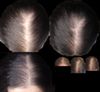
The user is seeking an alternative solvent for pyrilutamide due to skin irritation from ethanol and propylene glycol. They experienced similar issues with topical minoxidil.
The user discusses their experience with diffuse unpatterned alopecia and acquired progressive hair kinkering, noting improvements with treatments including biotin, pantothenic acid, finasteride, ketoconazole, and zinc pyrithione shampoo. They report thicker, healthier hair and improved scalp condition, attributing success mainly to biotin, pantothenic acid, and finasteride.
The user experienced increased hair loss and scalp itchiness despite using finasteride and plans to resume minoxidil and start microneedling. They are considering using clay, Aveda thickening tonic, and a beanie to manage the appearance of thinning hair.
A user is experiencing severe hair loss, diagnosed with seborrheic dermatitis, and is using Ketoconazole and beclomethasone. They are concerned about potential female pattern baldness and are seeking reassurance and advice.
A 22-year-old male is experiencing hair loss due to seborrheic dermatitis, not male pattern baldness, and is seeking advice. Suggestions include using Nizoral, sulfate-free and ketoconazole shampoos, cutting hair short, using cold water, avoiding picking scabs, and trying selenium sulfide shampoo or finasteride.
A 27-year-old male with diffuse hair loss, including the donor area, did not respond to finasteride, dutasteride, or minoxidil. He suspects his hair loss may be linked to a mild connective tissue disorder, possibly affecting the structural support of hair follicles, rather than being purely hormonal.
User has been using topical finasteride and minoxidil since May, previously used a spray version since January. They are seeing vellus hairs and have added weekly microneedling to their routine.
The conversation discusses hair loss treatments, with the main focus on using Fluridil and considering switching to Pyrilutamide. Other treatments mentioned include minoxidil, topical finasteride, nizoral shampoo, and saw palmetto supplements, with advice to stick with Fluridil for at least six months before considering alternatives.
Piroctone olamine is more effective than ketoconazole for increasing hair growth and reducing itching and dandruff. Treatments discussed include Minoxidil, finasteride, and RU58841.
The user is experiencing intense hair shedding all over the scalp after applying pyrilutamide to the hairline and taking oral castor oil. They are also using topical finasteride and latanoprost, but are unsure which treatment is causing the shedding.
The conversation is about using topical valproic acid (VPA) for hair loss, focusing on its application method, usage frequency, and combination with other treatments like micro-needling. No specific experiences with VPA were shared.
The conversation discusses using PGE2 as a hair growth stimulant, comparing it to minoxidil, and considering the addition of Setipiprant. Concerns about side effects like skin damage and cost are also mentioned.
A 33-year-old male experienced sudden, rapid hair loss, possibly due to a reaction to mentholated shampoo and undiluted tea tree oil, with a history of seborrheic dermatitis. He is currently taking finasteride, vitamin D3, a multivitamin, and biotin, and is seeking further medical evaluation.
The user is experiencing hair thinning and brittleness, possibly due to Telogen Effluvium, which affects body hair and may be linked to stress or nutrition. They are considering using finasteride for treatment but are unsure if it will address their symptoms.
A user experienced a burning, itchy scalp and hair thinning despite trying finasteride, steroid cream, antihistamines, various shampoos, and supplements. They seek advice on relieving the itch, hoping it will improve hair health.
DHT Itch and its link to balding, with various treatments such as finasteride being discussed. Members shared their experiences of scalp itch before and after taking 5AR inhibitors, and potential underlying causes such as seborrheic dermatitis were discussed.
A user's regimen to help with their diffuse thinning, which includes taking Pyrilutamide BID, 1mg finasteride daily, 2.5mg oral minoxidil daily, topical minoxidil since August 2021, LLLT every two days, topical fin, progesterone, melatonin, minoxidil (started one week ago), pumpkin seed oil and not dermarolling; other commenters suggested Nizoral for dandruff control and caution when using pre-mixed products with Pyrilutamide.
Phase II for TDM-105795 for Androgenic Alopecia is set to begin in April 2023. The study aims to evaluate the efficacy and safety of TDM-105795 in male subjects.
A user is upset about hair loss due to seborrheic dermatitis and DUPA, which prevents a hair transplant. They mention using jojoba oil and discuss treatments like Minoxidil, finasteride, and RU58841.
The conversation is about considering switching from Fluridil to Pyrilutamide for hair loss treatment. Pyrilutamide is suggested to be more effective, with a recommendation to use the 1% variant twice daily.
User Wonderful_Tonight910 suffered from hair loss and seborrheic dermatitis for years. After using irritant-free shampoo, their scalp improved, hair loss stopped, and new hair growth appeared.
Users discussed hair loss treatments, specifically 0.1% latanoprost with melatonin, caffeine, and biotin. Other treatments mentioned include minoxidil, finasteride, RU58841, and microneedling.
The conversation discusses hair loss treatments, mentioning minoxidil, finasteride, RU58841, VDPHL, GT20029, and follicle cloning as potential solutions. It also reveals that the discussion about PP405 was an April Fool's joke.
Pelage Pharmaceutical raised $120 million to continue research on PP405, a promising hair loss treatment that showed a 20% increase in hair density in 31% of men during a Phase 2a trial. The treatment was well-tolerated, with no systemic absorption, and Phase 3 trials are planned for 2026.
A 30-year-old male with thinning hair and an itchy, oily scalp found that hydrocortisone cream eliminated dandruff and itching and seemed to thicken his hair. He avoided minoxidil and finasteride due to potential side effects and noted that Nizoral and Head & Shoulders worsened his symptoms.
Excess Vitamin A and topical retinoids can cause diffuse hair shedding. The user suspects their chronic telogen effluvium may be linked to using adapalene, a topical retinoid.
Scalp inflammation can cause hair thinning and may be related to diet, infections, or conditions like psoriasis. Treatments suggested include using Nizoral shampoo and checking vitamin levels.
A 28 year old male experiencing diffuse thinning, chronic dandruff and scalp crust (seborrheic dermatitis), with replies discussing the use of topical fin for hormone imbalances and Nizoral for seb derm.
The user experienced genital itching while using finasteride and noticed a yellow bump, which improved with clotrimazole, but the itching persists. The discussion focuses on side effects of finasteride.