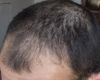
PRP treatment for hair loss shows some evidence of effectiveness, with HT surgeons using it post-op to promote growth. Microneedling is mentioned as a cheaper alternative.
The user is using dutasteride, estradiol cypionate, microneedling, oral minoxidil, and plans to add ketoconazole for hair regrowth. They are questioning if the improvement is due to actual regrowth or just better photo angles.
The conversation discusses a live stream presentation on Pelage PP405 for hair regrowth, with skepticism about its effectiveness compared to minoxidil. Some users express doubt and suggest sticking to proven treatments like minoxidil, finasteride, and RU58841.
The conversation is about the difficulty in obtaining GT20029, a hair loss treatment, due to patent issues and the need to resort to group buys or Chinese labs for acquisition. Specific treatments mentioned include Minoxidil, finasteride, and RU58841.
Carnosic acid in rosemary extract may enhance skin repair and promote hair follicle regeneration. It could be used alone or with verteporfin for scarless healing after dermal wounding.
KX826 shows promise as a hair loss treatment with a 10% increase in hair count, but concerns about Kintor's marketing practices and the systemic effects of treatments like GT20029 and RU58841 remain. Users express skepticism and hope, with some preferring traditional treatments like finasteride and minoxidil.
The conversation is about someone using finasteride and minoxidil along with microneedling as a treatment for hair loss, and there's a mention of scalp tattooing as an alternative or additional approach. Some responses mock the approach, while others inquire about the specifics of the treatment and its effectiveness.
The user is experiencing hair thinning and is using minoxidil, dutasteride injections, and red light therapy with little success after 4.5 months. Suggestions include switching to finasteride instead of dutasteride injections.
The user has been using finasteride for 7 months and recently started topical minoxidil after finding a suitable brand. Another user suggests a hair transplant might be needed to fill in the back.
The conversation is about a user experiencing small hair regrowth after 4 weeks of using oral Minoxidil and Dutasteride, and considering a future FUE transplant. Some users express skepticism about the regrowth, while others share similar experiences or doubts about the effectiveness of the treatment.
Hair cloning and new treatments like ET-02, Veradermics (vdphl01), and wound-induced hair neogenesis show promise but are not yet widely available. Current effective treatments include minoxidil, finasteride, and dutasteride, with early intervention being crucial for better outcomes.
A 27-year-old seeking affordable hair transplant clinics, particularly in Mexico, after using finasteride for years. Recommendations for Dr. Nader and Dr. Cortez were mentioned.
The conversation discusses using GHK Cu + AHK Cu peptides combined with topical dutasteride and minoxidil for hair regrowth. It mentions negative side effects of finasteride and promotes a specific copper peptide serum.
A 26-year-old male shared progress pictures after 4 months of treating hair loss with finasteride (1.25 mg on Mondays, Wednesdays, and Fridays), topical minoxidil twice daily, ketoconazole shampoo twice weekly, and weekly microneedling at 1.5 mm. He is seeing hair growth improvement, especially in the front, and is considering hair grafts for the crown area if necessary for more density.
A 32-year-old man had a successful hair transplant in Atlanta, using 1mg finasteride and 5% topical minoxidil daily, which greatly improved his confidence and appearance. He spent about $13,000 and is very satisfied with the youthful results and increased happiness.
A 30-year-old male with androgenic alopecia started using topical Minoxidil in 2018, Finasteride in 2020, and switched to oral Minoxidil and Dutasteride after Finasteride stopped working. He underwent hair transplants in 2022 and 2025, showing significant improvement in recent photos.
A user underwent a 2,550 FUE hair transplant and started taking dutasteride 0.5mg. They previously tried RU58841, minoxidil, and microneedling but avoided finasteride and dutasteride due to side effects.
User shared 12-month progress using topical 0.25% finasteride and 5% minoxidil daily. Most replies suggest waiting longer for potential further regrowth before considering a hair transplant.
A user is seeking recommendations for top hair transplant surgeons outside the US, focusing on hairline work and density, with a budget of $3,000 to $8,000. They prefer locations closer than Turkey due to travel constraints.
The user is using a combination of oral finasteride, oral and topical minoxidil, multivitamins, and a derma stamp for hair regrowth. They also use Garnier Fructis Grow Strong Thickening Shampoo and exercise regularly to support hair health.
A 19-year-old is seeking advice on reversing hair loss without a transplant, currently using oral finasteride and topical minoxidil. A suggestion was made to switch to dutasteride and use a stronger minoxidil, with the addition of a topical anti-androgen after three months.
A potential non-invasive topical treatment targeting the WNT Signaling Pathway for hair regeneration is being researched, with positive results on human hair follicle cells. Current effective treatments for hair loss include Minoxidil, finasteride, and hair transplantation.
User discusses switching from microneedling to macroneeding for hair loss treatment. Suggestions include using various devices and unconventional methods.
A 21-year-old male has used 5% topical minoxidil and 1.25mg finasteride for 2 years, improving overall hair but not regrowing temples or crown. He is considering additional treatments like microneedling or dutasteride after a clinic advised against a hair transplant due to existing but damaged follicles.
The conversation discusses the use of KX826 for hair loss, with mixed opinions on its effectiveness. Some users are skeptical, mentioning no significant progress or regrowth, and others suggest it might be a scam or that data may be manipulated.
A blood cancer survivor in remission since 2022 is experiencing thin and patchy hair after chemotherapy and is using Minoxidil without much success. They are seeking personal experiences and advice on hair transplants after cancer treatment.
A user shared a 10-month update on their hair transplant (HT), expressing significant confidence gain and recommending the procedure to others. They had the transplant in Turkey for $2300 and are very satisfied with the results.
The user successfully regrew hair using 1.2mg finasteride and 3mg minoxidil daily, without a hair transplant. They experienced significant improvement over 14 months, leading to positive changes in their appearance and confidence.
A user humorously asks if transplanted hair would grow in prison without finasteride after a hypothetical bank robbery. Replies include jokes and advice, with some mentioning the importance of managing hair loss and the potential consequences of prison time.